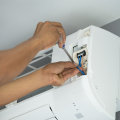
In today’s world, where comfort and air quality are paramount, understanding HVAC systems is essential for homeowners and businesses alike. HVAC, which stands for Heating, Ventilation, and Air Conditioning, encompasses a range of technologies designed to regulate indoor environments. These systems not only provide thermal comfort but also play a critical role in maintaining indoor air quality. As we delve into the intricacies of HVAC systems, it becomes clear that they are not merely mechanical devices; they are vital components that enhance our quality of life.Among the various elements of HVAC systems, air conditioning units stand out as one of the most crucial.
They are responsible for cooling indoor spaces during hot weather, ensuring that occupants remain comfortable and productive. However, like any mechanical system, air conditioners can experience issues that necessitate air conditioner repair. Understanding the common problems that can arise with these units is key to ensuring their longevity and efficiency. Regular maintenance and timely repairs can prevent minor issues from escalating into major malfunctions, saving both time and money.Moreover, the importance of proper ventilation cannot be overstated.
A well-functioning HVAC system not only cools or heats a space but also circulates fresh air, reducing pollutants and allergens. This is particularly important in urban areas where outdoor air quality may be compromised. By ensuring that your HVAC system is in optimal condition, you contribute to a healthier indoor environment.As we explore the various aspects of HVAC systems and the specifics of air conditioner repair throughout this guide, you will gain valuable insights into how these systems operate and how to maintain them effectively. Whether you are a homeowner looking to improve your living conditions or a business owner aiming to provide a comfortable workspace for your employees, understanding these systems is the first step towards achieving your goals.
Understanding HVAC Systems
Understanding HVAC systems is essential for anyone looking to maintain or repair air conditioning units effectively.HVAC, which stands for Heating, Ventilation, and Air Conditioning, encompasses a variety of systems designed to regulate indoor climate and air quality. These systems can be broadly categorized into several types, each with unique components and operational mechanisms.
Types of HVAC Systems
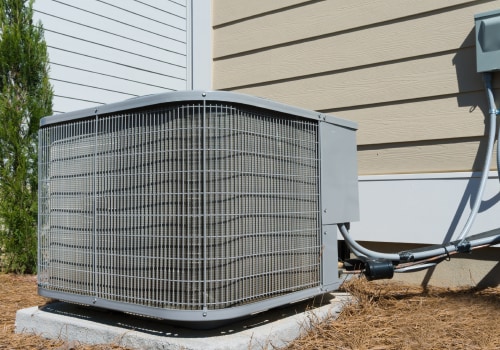
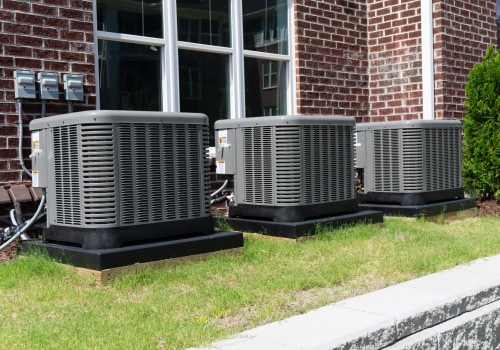
- Split Systems: These are the most common type of HVAC systems found in residential settings. A split system consists of two main components: an outdoor unit that houses the compressor and condenser, and an indoor unit that contains the evaporator coil. This separation allows for efficient cooling and heating.
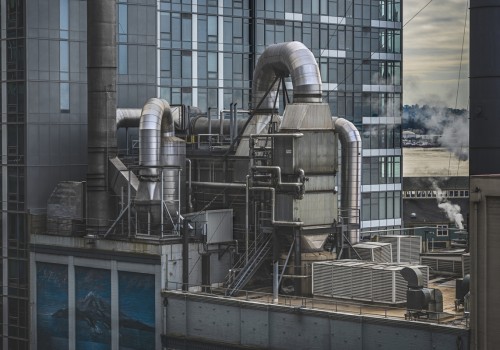
- Packaged Units: Unlike split systems, packaged units combine all components into a single outdoor unit.
These systems are often used in commercial buildings where space is limited. They can provide both heating and cooling through a single system.
- Ductless Mini-Split Systems: Ideal for homes without ductwork, these systems consist of an outdoor compressor and one or more indoor air-handling units. They offer flexibility in installation and allow for zoned heating and cooling.
- Geothermal Systems: Utilizing the earth's stable underground temperature, geothermal systems are highly efficient for heating and cooling. They require a significant upfront investment but can lead to substantial energy savings over time.
Key Components of HVAC Systems
Understanding the key components of HVAC systems is crucial for effective air conditioner repair:
- Compressor: Often referred to as the heart of the air conditioning system, the compressor pumps refrigerant through the system, facilitating heat exchange.
- Evaporator Coil: Located inside the home, this coil absorbs heat from indoor air, allowing the refrigerant to evaporate and cool the air before it is circulated back into the living space.
- Condenser Coil: Found in the outdoor unit, this coil releases heat absorbed from inside the home into the outside air, allowing the refrigerant to condense back into a liquid state.
- Thermostat: This device regulates temperature by controlling when the HVAC system turns on and off based on set preferences.
How HVAC Works
The operation of an HVAC system is a continuous cycle of heat exchange.
In cooling mode, warm indoor air is drawn over the evaporator coil, where it is cooled by the refrigerant. The cooled air is then circulated back into the home while the refrigerant travels to the condenser coil to release heat outside. In heating mode, this process is reversed, allowing for year-round comfort.A thorough understanding of these systems not only aids in effective air conditioner repair, but also empowers homeowners to make informed decisions regarding maintenance and upgrades.
Common Air Conditioning Problems
Air conditioning units are essential for maintaining a comfortable indoor environment, especially during the sweltering summer months. However, like any mechanical system, they can encounter a variety of issues that may hinder their performance.Understanding these common air conditioning problems can help homeowners identify issues early and implement effective repair strategies.
1.Refrigerant Leaks
One of the most prevalent issues with air conditioners is refrigerant leaks. Refrigerant is the substance that absorbs heat from the indoor air and releases it outside, making it crucial for the cooling process. When there is a leak, the system cannot maintain the required pressure, leading to reduced cooling efficiency. Signs of a refrigerant leak include:- Increased energy bills due to overworking the system.
- Warm air blowing from the vents.
- Ice buildup on the evaporator coils.
2.Electrical Failures
Electrical issues can also plague air conditioning systems.These problems may arise from faulty wiring, blown fuses, or malfunctioning capacitors. Common symptoms of electrical failures include:
- The unit does not turn on at all.
- Frequent tripping of circuit breakers.
- Unusual noises when attempting to start the unit.
3.Airflow Problems
Poor airflow can significantly impact an air conditioner's performance. This issue may stem from clogged filters, blocked ducts, or malfunctioning fans. Homeowners should regularly check and replace air filters every 1-3 months to prevent airflow restrictions.Signs of airflow problems include:
- Uneven cooling throughout different rooms.
- Weak airflow from vents.
- Increased humidity levels indoors.
Signs Your Air Conditioner Needs Repair
Understanding when your air conditioner needs repair is crucial for maintaining a comfortable home environment and preventing costly breakdowns. Here are some key signs that indicate your air conditioning unit may require professional attention:- Inconsistent Cooling: If you notice that some rooms in your home are significantly warmer than others, it could be a sign of an underlying issue. This inconsistency may stem from ductwork problems, a failing compressor, or low refrigerant levels.
- Unusual Noises: Air conditioners typically operate quietly.
If you hear strange sounds such as grinding, squealing, or banging, it’s essential to investigate further. These noises can indicate mechanical issues that may worsen if not addressed promptly.
- Foul Odors: A musty or burning smell coming from your AC unit can signal mold growth or electrical problems. Both situations require immediate attention to ensure safety and proper functioning.
- Increased Energy Bills: A sudden spike in your energy bills without a corresponding increase in usage can indicate that your air conditioner is working harder than it should. This inefficiency often points to issues like dirty filters or failing components.
- Water Leaks: If you notice water pooling around your air conditioning unit, it could be due to a clogged drain line or a refrigerant leak.
Both scenarios can lead to significant damage if not repaired quickly.
- Short Cycling: If your air conditioner frequently turns on and off without completing a full cooling cycle, it may be struggling with its thermostat or other internal components. This behavior not only affects comfort but can also lead to increased wear and tear on the system.
- Change Filters Regularly: Dirty filters restrict airflow and reduce efficiency.
Check and replace filters every 1-3 months depending on usage.
- Schedule Annual Inspections: Having a professional inspect your system annually can help identify potential problems before they become serious issues.
- Keep the Outdoor Unit Clean: Ensure that the area around your outdoor unit is free from debris and vegetation to allow for proper airflow.
DIY Air Conditioner Troubleshooting Tips
When your air conditioner starts to show signs of trouble, it can be frustrating, especially during the hot summer months. However, many common issues can be resolved with a bit of DIY troubleshooting. Here are some practical tips to help you identify and fix minor air conditioning problems before calling in a professional.Check the Thermostat Settings
One of the first steps in troubleshooting your air conditioner is to ensure that the thermostat is set correctly. Sometimes, the settings may have been accidentally changed.Make sure:
- The thermostat is set to "cool" mode.
- The temperature setting is lower than the current room temperature.
- The batteries in the thermostat are fresh, if applicable.
Inspect the Air Filter
A clogged or dirty air filter can significantly impact your air conditioner's performance. It restricts airflow and can cause the system to freeze up or overheat. To maintain optimal efficiency:- Check the air filter monthly, especially during peak usage seasons.
- Replace or clean the filter every 1-3 months, depending on usage and filter type.
Examine the Outdoor Unit
Your air conditioner's outdoor unit plays a crucial role in its overall function. Ensure that:- The unit is free from debris such as leaves, dirt, and grass clippings.
- The area around the unit is clear of obstructions to allow for proper airflow.
- The fins on the condenser are straight and not bent; if they are, you can gently straighten them with a fin comb.
Listen for Unusual Noises
Pay attention to any strange sounds coming from your air conditioner.Unusual noises can indicate specific issues:
- Banging or clanking: This could mean loose parts or a failing motor.
- Squealing: This may indicate a problem with the fan belt or motor bearings.
- Hissing: This could suggest a refrigerant leak.
Know When to Call a Professional
While many minor issues can be resolved through DIY troubleshooting, some problems require professional expertise. If you notice:- Your air conditioner is blowing warm air despite all settings being correct.
- You detect a refrigerant leak or hear hissing sounds that persist.
- The system frequently trips circuit breakers or fails to turn on altogether.
The Importance of Regular Maintenance for HVAC Systems
Regular maintenance of HVAC systems, particularly air conditioners, is essential for ensuring optimal performance and longevity. Just like any other mechanical system, air conditioning units require routine checks and servicing to function efficiently.Neglecting these tasks can lead to a host of problems, including decreased efficiency, higher energy bills, and even complete system failure.One of the primary benefits of regular AC service is the prevention of costly repairs. During routine maintenance, technicians can identify and address minor issues before they escalate into major problems. For instance, a simple refrigerant leak can be fixed easily during a maintenance check, but if left unattended, it could lead to compressor failure, which is significantly more expensive to repair or replace.Moreover, regular maintenance helps in extending the lifespan of your air conditioning unit. Most manufacturers recommend annual servicing to keep the system running smoothly.
By adhering to this guideline, homeowners can expect their air conditioners to last longer than those that are neglected. A well-maintained unit operates more efficiently, reducing wear and tear on components and ultimately prolonging its operational life.In addition to preventing breakdowns and extending lifespan, routine HVAC maintenance also enhances indoor air quality. Over time, dust and debris can accumulate in the filters and ducts of an air conditioning system. Regular cleaning and replacement of filters not only improve airflow but also reduce allergens and pollutants in the air.
This is particularly important for households with allergy sufferers or respiratory issues.To ensure effective maintenance of your air conditioning system, consider the following tips:
- Schedule Annual Inspections: Have a professional technician inspect your system at least once a year to catch any potential issues early.
- Change Filters Regularly: Replace or clean filters every 1-3 months depending on usage to maintain optimal airflow and efficiency.
- Keep Outdoor Units Clear: Ensure that the area around your outdoor unit is free from debris such as leaves and dirt that can obstruct airflow.
- Check Thermostat Settings: Regularly verify that your thermostat is functioning correctly to avoid unnecessary energy consumption.
- Inspect Ductwork: Look for signs of leaks or blockages in ductwork that could hinder performance.
Choosing the Right HVAC Technician for Air Conditioner Repair
When your air conditioning system requires repair, selecting the right HVAC technician is crucial to ensure the job is done correctly and efficiently. With numerous options available, it can be overwhelming to find a reliable professional. Here are some essential tips to guide you in making an informed decision.Look for Credentials and Experience
Start by verifying the technician's credentials.A qualified HVAC technician should possess the necessary licenses and certifications required by your state or local regulations. These credentials demonstrate that the technician has undergone proper training and adheres to industry standards.Experience is another critical factor. Technicians with several years in the field are likely to have encountered a wide range of issues and can provide effective solutions. Ask potential candidates about their experience with your specific air conditioning model and any similar repairs they have performed.
Check Reviews and References
Online reviews can offer valuable insights into a technician's reliability and quality of work.Websites like Yelp, Google Reviews, and Angie's List can help you gauge customer satisfaction. Look for patterns in feedback—consistent praise or complaints can indicate what you might expect.Additionally, don’t hesitate to ask for references from previous clients. A reputable technician should be willing to provide contact information for satisfied customers who can vouch for their work.
Inquire About Estimates and Warranties
Before committing to a service, request a detailed estimate that outlines the costs involved in the repair process. A trustworthy technician will provide a transparent breakdown of labor, parts, and any additional fees.Be cautious of unusually low estimates, as they may indicate subpar service or hidden costs.Furthermore, inquire about warranties on both parts and labor. A reliable HVAC technician should stand behind their work, offering warranties that protect you in case of future issues.
Ask Relevant Questions
When interviewing potential HVAC technicians, prepare a list of questions to assess their expertise:- What is your experience with my specific air conditioning model?
- Can you explain the repair process?
- What types of parts do you use for repairs?
- How do you handle unexpected issues during repairs?
- What are your payment terms?
Cost Factors in Air Conditioner Repair
When it comes to air conditioner repair, understanding the various cost factors involved is essential for homeowners. Repair costs can vary significantly based on several elements, and being informed can help you budget effectively and avoid unexpected expenses.1.Type of Repair Needed
- Minor Repairs: Simple issues such as replacing a capacitor or cleaning the coils typically incur lower costs, often ranging from $100 to $300.
- Major Repairs: More complex problems, like compressor failure or refrigerant leaks, can lead to costs between $500 and $1,500 or more, depending on the severity of the issue.
2.Age and Condition of the Unit
The age of your air conditioning unit plays a significant role in repair costs. Older units may require more frequent repairs and parts that are harder to find, which can increase labor costs.
If your system is over 10 years old, consider budgeting for potential repairs as well as evaluating whether a replacement might be more cost-effective in the long run.
3.Labor Costs
Labor rates can vary widely based on geographic location and the technician's experience. In urban areas, you might pay higher rates due to increased demand for HVAC services. On average, labor costs can range from $75 to $150 per hour.
4.Seasonal Demand
The time of year can also affect repair prices. During peak summer months, when air conditioning systems are in high demand, you may encounter higher service fees due to increased workload for technicians.
Scheduling repairs during off-peak seasons can sometimes yield better rates.
5.Warranty Coverage
If your air conditioning unit is still under warranty, certain repairs may be covered, significantly reducing your out-of-pocket expenses. Always check your warranty details before proceeding with repairs to ensure you take full advantage of any coverage available.
6.Additional Costs
- Diagnostic Fees: Many HVAC companies charge a diagnostic fee to assess the problem, which typically ranges from $50 to $100.
- Parts Replacement: The cost of replacement parts can vary widely based on brand and availability; always ask for a detailed estimate before proceeding with repairs.
<strong>Conclusion</strong>
In conclusion, understanding HVAC systems, particularly the intricacies of air conditioner repair, is essential for homeowners and business operators alike. Throughout this guide, we have explored the fundamental components and functions of HVAC systems, emphasizing the importance of regular maintenance and timely repairs to ensure optimal performance.One of the key takeaways is that air conditioning units are complex systems that require a comprehensive understanding to diagnose issues effectively.Regular inspections can help identify potential problems before they escalate into costly repairs. By being proactive, you not only extend the lifespan of your air conditioning unit but also enhance its efficiency, leading to lower energy bills.Moreover, we discussed various common issues that can arise with air conditioners, such as refrigerant leaks, electrical failures, and drainage problems. Recognizing these signs early can save you from significant discomfort during peak summer months. It’s crucial to familiarize yourself with these symptoms so you can act swiftly when necessary.Additionally, we highlighted the importance of hiring qualified professionals for air conditioner repair.
While DIY repairs may seem tempting, they often lead to further complications if not executed correctly. A certified technician brings expertise and experience that can ensure repairs are done safely and effectively.Finally, maintaining an HVAC system goes beyond just fixing problems as they arise. It involves a commitment to regular upkeep, including changing filters, cleaning coils, and scheduling annual maintenance checks. This holistic approach not only improves air quality but also contributes to a healthier indoor environment.In summary, a thorough understanding of HVAC systems and the nuances of air conditioner repair empowers you to make informed decisions regarding your comfort and investment.
By prioritizing maintenance and seeking professional help when needed, you can enjoy a reliable and efficient cooling system for years to come.