In the realm of HVAC systems, the heat exchanger stands out as a pivotal component that plays a crucial role in both heating and cooling processes. This device is designed to transfer heat between two or more fluids, ensuring that your home maintains a comfortable temperature regardless of the season. Whether you are relying on your air conditioning unit during the sweltering summer months or your furnace in the depths of winter, the efficiency and effectiveness of these systems largely depend on the performance of the heat exchanger.The significance of heat exchangers cannot be overstated, especially when it comes to air conditioner repair. A malfunctioning heat exchanger can lead to a host of problems, including reduced efficiency, increased energy bills, and even complete system failure.
Understanding how this component works and its importance in your HVAC system can empower homeowners to make informed decisions regarding maintenance and repairs. Regular inspections and timely repairs can prevent minor issues from escalating into costly breakdowns.Moreover, heat exchangers contribute to the overall safety of your HVAC system. They are designed to prevent harmful gases from entering your living space while ensuring optimal heat transfer. This dual function not only enhances comfort but also safeguards your health and well-being.
As we delve deeper into the intricacies of heat exchangers in subsequent sections, it will become clear that their role extends far beyond mere temperature regulation; they are integral to the reliability and safety of your entire HVAC system.
What is a Heat Exchanger?
A heat exchanger is a critical component in various heating, ventilation, and air conditioning (HVAC) systems. Its primary function is to transfer heat between two or more fluids without mixing them. This process is essential for maintaining comfortable indoor temperatures and ensuring energy efficiency in your home.In essence, a heat exchanger allows one fluid to absorb heat from another fluid, which can be either a gas or a liquid. The heated fluid is then circulated throughout the HVAC system to provide warmth or cooling as needed.Understanding the different types of heat exchangers can help homeowners appreciate their importance in air conditioning and heating systems.
Types of Heat Exchangers
- Air-to-Air Heat Exchangers: These are commonly used in ventilation systems. They transfer heat between incoming and outgoing air streams, helping to maintain indoor air quality while minimizing energy loss.
- Air-to-Water Heat Exchangers: Often found in hydronic heating systems, these exchangers transfer heat from air to water, which is then circulated through radiators or underfloor heating systems.
- Water-to-Water Heat Exchangers: Used in applications where two water sources need to exchange heat, such as in swimming pools or industrial processes.
- Shell and Tube Heat Exchangers: These consist of a series of tubes, one set carrying the hot fluid and the other carrying the cold fluid. They are widely used in commercial HVAC systems due to their efficiency and durability.
- Plate Heat Exchangers: Made up of multiple thin plates stacked together, these exchangers provide a large surface area for heat transfer while occupying less space. They are often used in residential HVAC systems for their compact design.
Regardless of the type, the role of the heat exchanger remains vital in ensuring that your HVAC system operates effectively and efficiently.
How Heat Exchangers Work in HVAC Systems
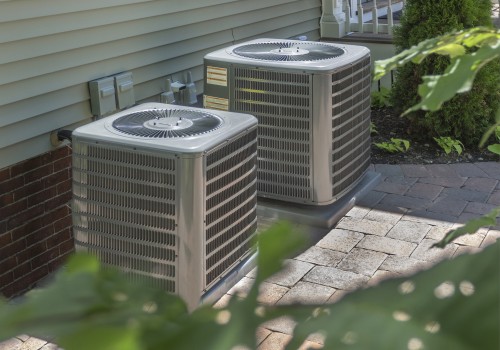
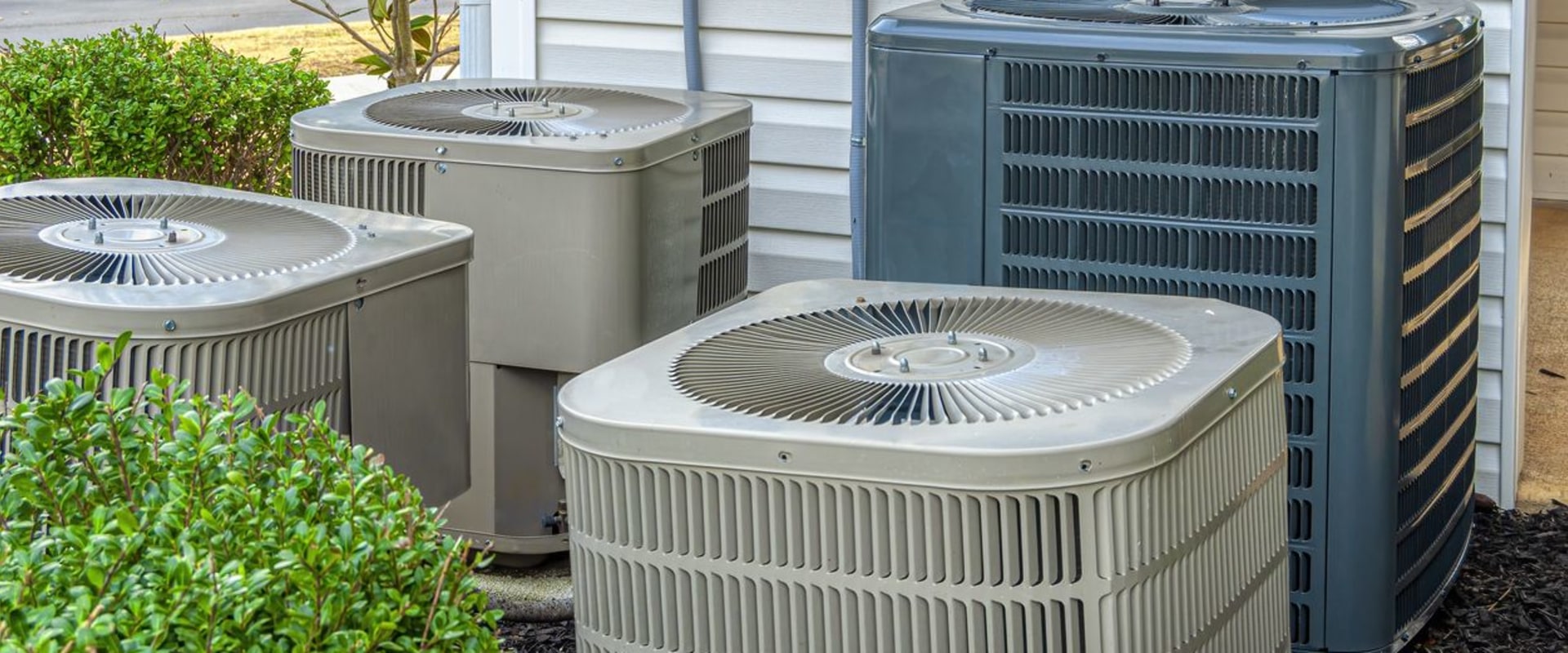
Understanding how heat exchangers function within HVAC systems is essential for grasping their significance in maintaining indoor comfort. At the core of this process is the principle of heat transfer , which involves the movement of thermal energy from one medium to another. In HVAC systems, heat exchangers facilitate this transfer between the air inside your home and the refrigerant or water circulating through the system.When your air conditioning system operates, it begins by drawing warm air from your living spaces. This air is then directed towards the heat exchanger, where the actual cooling process takes place.The heat exchanger consists of a series of metal fins or coils that are designed to maximize surface area, allowing for efficient heat transfer.As warm air passes over these coils, it encounters a refrigerant that has been cooled in the evaporator coil. The refrigerant absorbs heat from the air, causing it to evaporate and change from a liquid to a gas. This phase change is crucial because it allows for a significant amount of heat to be absorbed with minimal temperature change in the refrigerant itself.Once the refrigerant has absorbed enough heat, it is then compressed by the compressor, raising its temperature and pressure before it moves to the condenser coil outside your home. Here, the refrigerant releases the absorbed heat into the outdoor air, condensing back into a liquid state.
This cycle continues as long as your air conditioning system is running, effectively removing heat from your home and providing a comfortable indoor environment.The efficiency of this heat transfer process directly impacts your HVAC system's performance. A well-maintained heat exchanger ensures optimal airflow and minimizes energy consumption. Conversely, if the heat exchanger becomes dirty or clogged with debris, it can hinder airflow and reduce efficiency, leading to higher energy bills and potential system failures.Regular maintenance, including cleaning and inspections of your heat exchanger, is vital for ensuring that your HVAC system operates at peak efficiency. By understanding how these components work together in the HVAC operation , homeowners can make informed decisions about their heating and cooling needs.
The Importance of Heat Exchangers in Air Conditioning
Heat exchangers are pivotal components in air conditioning systems, serving as the heart of the cooling process.Their primary function is to transfer heat from one medium to another, ensuring that your indoor environment remains comfortable even during the hottest months. Understanding the importance of heat exchangers can significantly enhance your appreciation of HVAC efficiency and overall system performance.In an air conditioning system, the heat exchanger operates by absorbing heat from the indoor air and transferring it to the refrigerant circulating within the system. This process is crucial for maintaining a cool atmosphere inside your home. The refrigerant, after absorbing heat, is then compressed and sent to the outdoor unit, where it releases the heat into the outside air.
This cycle continues, allowing for consistent cooling.
Key Roles of Heat Exchangers in Air Conditioning:
- Efficient Heat Transfer: The design of heat exchangers maximizes surface area for heat transfer, which enhances their efficiency. This means that your air conditioning system can cool your home more effectively while using less energy.
- Temperature Regulation: By controlling the temperature of the refrigerant, heat exchangers help maintain a stable indoor climate. This regulation is essential for comfort and energy savings.
- Humidity Control: Heat exchangers also play a role in managing humidity levels. By cooling the air, they cause moisture to condense, which is then drained away, preventing excess humidity that can lead to discomfort and mold growth.
A malfunctioning or dirty heat exchanger can lead to reduced cooling capacity and increased energy consumption. Regular maintenance is essential to ensure that these components operate at peak performance.In conclusion, the role of heat exchangers in air conditioning systems cannot be overstated. They are integral to achieving optimal HVAC efficiency and ensuring a comfortable living environment. By understanding their function and importance, homeowners can make informed decisions regarding maintenance and repairs, ultimately leading to a more efficient and effective air conditioning system.
Common Issues with Heat Exchangers and Their Impact on Air Conditioning Performance
The heat exchanger is a critical component of your HVAC system, and when it malfunctions, it can lead to a variety of issues that significantly impact air conditioning performance.Understanding these common problems can help you identify when your system needs attention and guide you in effective air conditioner repair.One prevalent issue with heat exchangers is cracks or leaks. Over time, the metal can become brittle due to constant heating and cooling cycles, leading to cracks. These cracks not only reduce the efficiency of the heat exchanger but can also allow harmful gases, such as carbon monoxide, to escape into your home. If you suspect a crack, it’s crucial to have a professional inspect and replace the heat exchanger immediately.Another common problem is blockages.
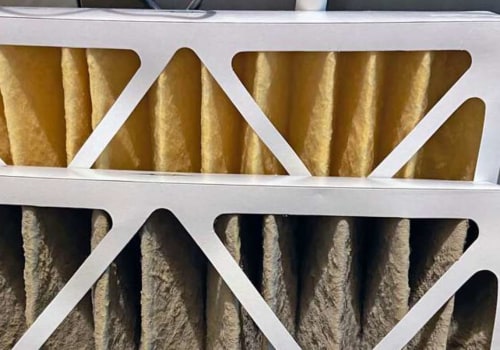
Dust, dirt, and debris can accumulate within the heat exchanger, obstructing airflow and reducing its ability to transfer heat effectively. This blockage can cause your air conditioning system to work harder than necessary, leading to increased energy bills and potential overheating. Regular maintenance, including cleaning the heat exchanger, can help prevent this issue.
Corrosion
is also a significant concern for heat exchangers, especially in systems that use water for cooling. Corrosion can weaken the structure of the heat exchanger and lead to leaks.
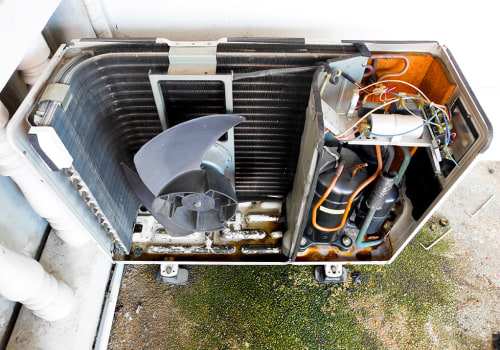
If you notice rust or discoloration around your unit, it may be time for an inspection. Addressing corrosion early can save you from costly repairs down the line.Lastly, improper installation or sizing of the heat exchanger can lead to inefficiencies in your HVAC system. If the unit is too small or incorrectly installed, it may not be able to handle the heating or cooling demands of your home. This mismatch can result in frequent breakdowns and necessitate more frequent air conditioner repairs.In summary, being aware of these common issues with heat exchangers—such as cracks, blockages, corrosion, and installation problems—can help you maintain optimal air conditioning performance.
Regular inspections and maintenance are key to ensuring that your HVAC system operates efficiently and safely.
Signs Your Heat Exchanger Needs Repair or Replacement
Identifying the signs that your heat exchanger may need repair or replacement is crucial for maintaining the efficiency and safety of your HVAC system. Ignoring these indicators can lead to more significant issues, including costly repairs and potential safety hazards. Here are some key signs to watch for:- Unusual Noises: If you hear strange sounds such as banging, popping, or hissing coming from your furnace, it could indicate a problem with the heat exchanger. These noises may suggest that there are cracks or other issues affecting its operation.
- Increased Energy Bills: A sudden spike in your energy costs can be a sign that your heat exchanger is not functioning efficiently.
If it is struggling to heat your home, it will consume more energy, leading to higher utility bills.
- Inconsistent Heating: If certain rooms in your home are significantly colder than others, this could indicate that the heat exchanger is failing to distribute heat evenly. This inconsistency can be frustrating and uncomfortable.
- Visible Cracks or Corrosion: Regularly inspect your heat exchanger for any visible signs of damage, such as cracks or rust. These physical indicators can compromise its integrity and require immediate attention.
- Carbon Monoxide Detectors Triggering: If your carbon monoxide detectors go off, it’s essential to take this seriously. A malfunctioning heat exchanger can leak carbon monoxide, which is a dangerous gas that poses serious health risks.
They can perform a thorough inspection and determine whether repair or replacement is necessary.
When to Replace Your Heat Exchanger
Deciding whether to repair or replace a heat exchanger depends on several factors:
- Age of the Unit: If your HVAC system is over 15 years old and the heat exchanger is failing, it may be more cost-effective to replace the entire unit rather than just the heat exchanger.
- Extent of Damage: If the damage is extensive and repairs would be costly, replacement might be the better option.
- Efficiency Considerations: Newer models are often more energy-efficient. If your current system is outdated, investing in a new unit could save you money in the long run.
HVAC Maintenance Tips
To prolong the life of your heat exchanger and overall HVAC system, consider these maintenance tips:
- Regular Inspections: Schedule annual inspections with a qualified technician to catch potential issues early.
- Change Filters Regularly: Dirty filters can restrict airflow and cause strain on the heat exchanger. Change them every 1-3 months.
- Cleansing Ducts: Ensure that your ductwork is clean and free from obstructions to promote efficient airflow.
Maintaining Your Heat Exchanger for Optimal Performance
To ensure that your heat exchanger operates at peak efficiency, regular maintenance is essential. A well-maintained heat exchanger not only enhances the performance of your HVAC system but also extends its lifespan, saving you money on air conditioner repair costs in the long run.Here are some practical tips to help you maintain your heat exchanger effectively:
- Regular Inspections: Schedule annual inspections with a qualified HVAC technician. They can identify potential issues before they escalate, ensuring that your heat exchanger remains in good condition.
- Clean the Heat Exchanger: Dust and debris can accumulate on the heat exchanger, reducing its efficiency. Regularly clean the exterior surfaces and ensure that there is no obstruction around the unit.
- Check for Leaks: Inspect for any signs of leaks or corrosion. If you notice any unusual moisture or rust, contact a professional immediately to address the issue.
- Monitor Airflow: Ensure that your HVAC system has proper airflow.
Blocked vents or ducts can lead to overheating and damage to the heat exchanger. Regularly check and clean air filters to maintain optimal airflow.
- Inspect the Combustion Chamber: Since the combustion chamber works closely with the heat exchanger, it’s crucial to keep it in good condition as well. Look for any signs of wear or damage and have it serviced as needed.
- Use a Programmable Thermostat: This allows you to optimize heating schedules, reducing unnecessary strain on your system.
- Avoid Overworking Your System: During extreme weather conditions, avoid setting your thermostat too high or too low, as this can put excessive pressure on your heat exchanger.
- Seal Ducts Properly: Ensure that all ductwork is sealed and insulated properly to prevent energy loss and maintain efficiency.
The Role of Professional Air Conditioner Repair Services
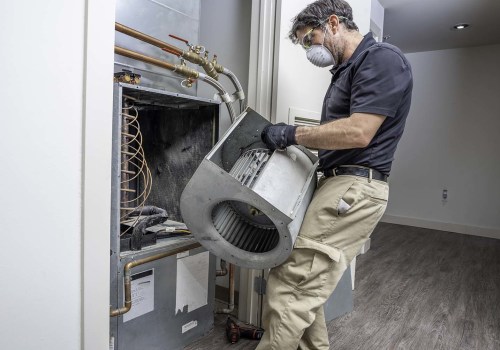
When it comes to maintaining the efficiency and longevity of your HVAC system, particularly the heat exchanger, enlisting the help of professional air conditioner repair services is essential.While some homeowners may feel tempted to tackle repairs on their own, the complexities involved in HVAC systems often require specialized knowledge and experience that only trained professionals possess.
Understanding Complex Issues
The heat exchanger is a critical component that requires precise handling. Issues such as cracks or corrosion can lead to significant problems, including reduced efficiency and even safety hazards like carbon monoxide leaks. Professionals are equipped with the tools and expertise to accurately diagnose these issues, ensuring that repairs are not only effective but also safe.
Benefits of Hiring HVAC Professionals
- Expertise and Training: HVAC technicians undergo rigorous training and certification processes, which means they are well-versed in the latest technologies and repair techniques. This expertise allows them to identify problems quickly and implement effective solutions.
- Access to Specialized Tools: Professional repair services come equipped with specialized tools that are necessary for diagnosing and repairing complex issues within your air conditioning system.
These tools can be costly for homeowners to purchase and maintain.
- Time Efficiency: Attempting DIY repairs can often lead to wasted time and frustration. Professionals can complete repairs more quickly due to their experience, allowing you to return to a comfortable home sooner.
- Long-Term Savings: While hiring a professional may seem like an added expense, it can save you money in the long run. Proper repairs can extend the lifespan of your HVAC system, reduce energy costs, and prevent costly breakdowns.
- Warranty Protection: Many HVAC systems come with warranties that require professional servicing for coverage to remain valid. By hiring a certified technician, you ensure that your warranty stays intact.
Conclusion
In summary, when faced with air conditioner issues—especially those related to the heat exchanger—hiring HVAC professionals is not just a wise choice; it’s a necessary step towards ensuring your system operates safely and efficiently.
Their expertise not only resolves immediate problems but also contributes to the overall health of your HVAC system.
Frequently Asked Questions About Heat Exchangers and Air Conditioning Repair
When it comes to understanding the heat exchanger and its role in your HVAC system, many homeowners have questions. Here are some of the most frequently asked questions regarding heat exchangers and air conditioning repair.- What is a heat exchanger?
A heat exchanger is a crucial component in both heating and cooling systems. It transfers heat between two or more fluids without mixing them. In air conditioning systems, it cools the air by absorbing heat from the indoor environment and releasing it outside. - How do I know if my heat exchanger is failing?
Signs of a failing heat exchanger include unusual noises, increased energy bills, and inconsistent temperatures throughout your home.Additionally, if you notice a yellow flame instead of a blue one in your furnace, it may indicate a problem with the heat exchanger.
- Can I repair a heat exchanger myself?
While some minor maintenance tasks can be performed by homeowners, repairing or replacing a heat exchanger is complex and should be handled by a qualified HVAC technician. Attempting to fix it yourself can lead to further damage or safety hazards. - How often should I have my HVAC system inspected?
It is recommended to have your HVAC system inspected at least once a year. Regular maintenance helps identify potential issues with the heat exchanger and other components before they escalate into costly repairs. - What are the common causes of heat exchanger failure?
Common causes include corrosion, overheating, and improper installation. Regular maintenance can help mitigate these risks and extend the lifespan of your heat exchanger. - Is it worth repairing an old heat exchanger?
The decision to repair or replace an old heat exchanger depends on its condition and the age of your HVAC system.If your system is nearing the end of its lifespan, investing in a new unit may be more cost-effective in the long run.
Conclusion: The Essential Role of Heat Exchangers in Your HVAC System
In summary, the heat exchanger is a fundamental component of your HVAC system, playing a pivotal role in ensuring that your home remains comfortable throughout the year. Its primary function is to transfer heat efficiently, whether it’s warming the air during winter or cooling it during summer. Understanding the significance of this component can help homeowners appreciate the intricate workings of their heating and cooling systems.Regular maintenance of the heat exchanger is essential for optimal performance.Neglecting this crucial part can lead to a range of issues, including reduced efficiency, increased energy bills, and even potential safety hazards. Homeowners should be vigilant about scheduling routine inspections and servicing to catch any problems early on. This proactive approach not only extends the lifespan of the heat exchanger but also enhances the overall efficiency of the HVAC system.Moreover, recognizing the signs of a failing heat exchanger can save you from costly air conditioner repair bills down the line. Symptoms such as unusual noises, inconsistent heating or cooling, and increased energy consumption are all indicators that your heat exchanger may need attention.
Addressing these issues promptly can prevent further damage and ensure that your HVAC system operates smoothly.In conclusion, the heat exchanger is not just a component; it is the heart of your HVAC system. By understanding its role and maintaining it properly, you can ensure that your home remains a sanctuary of comfort regardless of external weather conditions. Investing time and resources into your HVAC system's health will pay off in both comfort and cost savings in the long run.