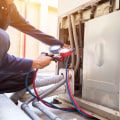
Understanding the intricacies of air conditioner systems is essential for anyone looking to troubleshoot or repair their unit effectively. At its core, an air conditioning system is designed to regulate indoor temperature and humidity, providing a comfortable environment regardless of external weather conditions. The basic principle behind air conditioning involves the transfer of heat from the inside of a building to the outside, utilizing a refrigerant that absorbs and releases heat as it circulates through the system.There are several types of air conditioners available on the market, each tailored to meet different needs and preferences. The most common types include central air conditioning systems, which cool entire homes through a network of ducts; window units, which are compact and ideal for single rooms; and portable air conditioners, which offer flexibility and can be moved from room to room.
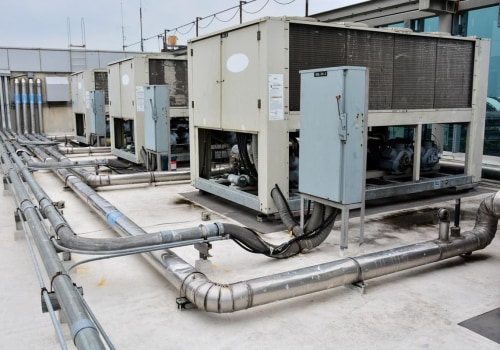
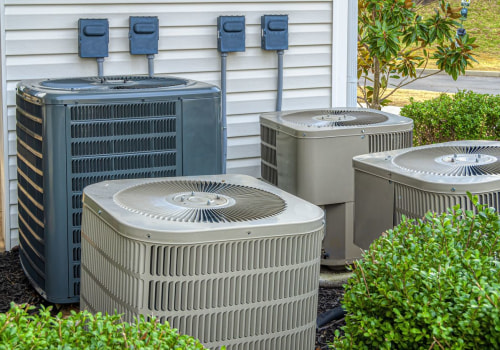
Understanding these different systems is crucial, as each type has its own unique components and operational mechanisms.Central air conditioning systems typically consist of an outdoor compressor unit and an indoor evaporator coil connected by refrigerant lines. The compressor pumps refrigerant through the system, where it absorbs heat from indoor air and releases it outside. In contrast, window units operate independently, drawing in warm air from the room, cooling it over coils filled with refrigerant, and then blowing the cooled air back into the space. Portable units function similarly but are designed for mobility, making them a popular choice for renters or those who need temporary cooling solutions.By familiarizing yourself with how these systems work and their various types, you will be better equipped to identify potential issues when they arise.
This foundational knowledge not only aids in effective troubleshooting but also empowers you to make informed decisions regarding air conditioner repair or maintenance. Whether you are dealing with a minor inconvenience or a significant malfunction, understanding your air conditioning system is the first step toward ensuring its optimal performance.
Common Air Conditioner Problems
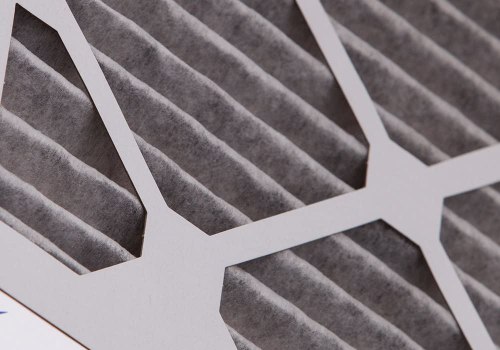
Homeowners often encounter a variety of air conditioner problems that can disrupt comfort and lead to costly repairs if not addressed promptly. Understanding these common issues is crucial for effective troubleshooting and maintenance.One of the most prevalent issues is a dirty air filter. When filters become clogged with dust and debris, they restrict airflow, forcing the system to work harder and potentially leading to overheating.Regularly checking and replacing or cleaning the air filter can significantly enhance efficiency and prolong the lifespan of your unit.
Refrigerant leaks
are another common problem that can severely impact cooling performance. If you notice that your air conditioner is not cooling effectively, it may be due to low refrigerant levels caused by leaks. This issue not only affects comfort but can also lead to compressor damage if not repaired quickly. If you suspect a refrigerant leak, it’s advisable to contact a professional technician who can safely handle refrigerants.
Thermostat issues
can also lead to significant problems.
A malfunctioning thermostat may fail to communicate properly with the air conditioning unit, resulting in inconsistent temperatures or the system not turning on at all. Testing the thermostat settings and ensuring it is calibrated correctly can help identify this issue. If problems persist, consider replacing the thermostat.Another frequent concern is frozen evaporator coils. This can occur due to restricted airflow or low refrigerant levels.
When coils freeze, they cannot absorb heat effectively, leading to inadequate cooling. To prevent this, ensure that air filters are clean and that there are no obstructions around the outdoor unit.
Drainage problems
are also common in air conditioning systems. A blocked condensate drain line can cause water to back up and leak from the unit, potentially damaging your home. Regularly inspecting and clearing the drain line can prevent this issue from escalating.Lastly, listen for unusual noises.
Sounds such as grinding, squealing, or banging can indicate mechanical issues within the unit. These noises should not be ignored as they may signal a need for immediate repair.By being aware of these common air conditioner issues and addressing them early, homeowners can save time and money on repairs while ensuring their systems operate efficiently throughout the cooling season.
Step-by-Step Diagnosis of Air Conditioner Issues
Diagnosing air conditioner problems can seem daunting, but with a systematic approach, homeowners can often identify and resolve issues before they escalate. Here’s a step-by-step guide to help you troubleshoot common air conditioning problems.1.Gather Your Tools
Before you begin, ensure you have the necessary tools on hand:- Thermometer
- Multimeter
- Screwdriver set
- Flashlight
- Vacuum cleaner or brush
- Replacement air filters
2.Check the Thermostat
The thermostat is the brain of your air conditioning system. Start by verifying that it is set to the cooling mode and that the temperature setting is lower than the current room temperature.If your thermostat is programmable, ensure it hasn’t reverted to an energy-saving mode that could affect performance.
3.Inspect the Air Filter
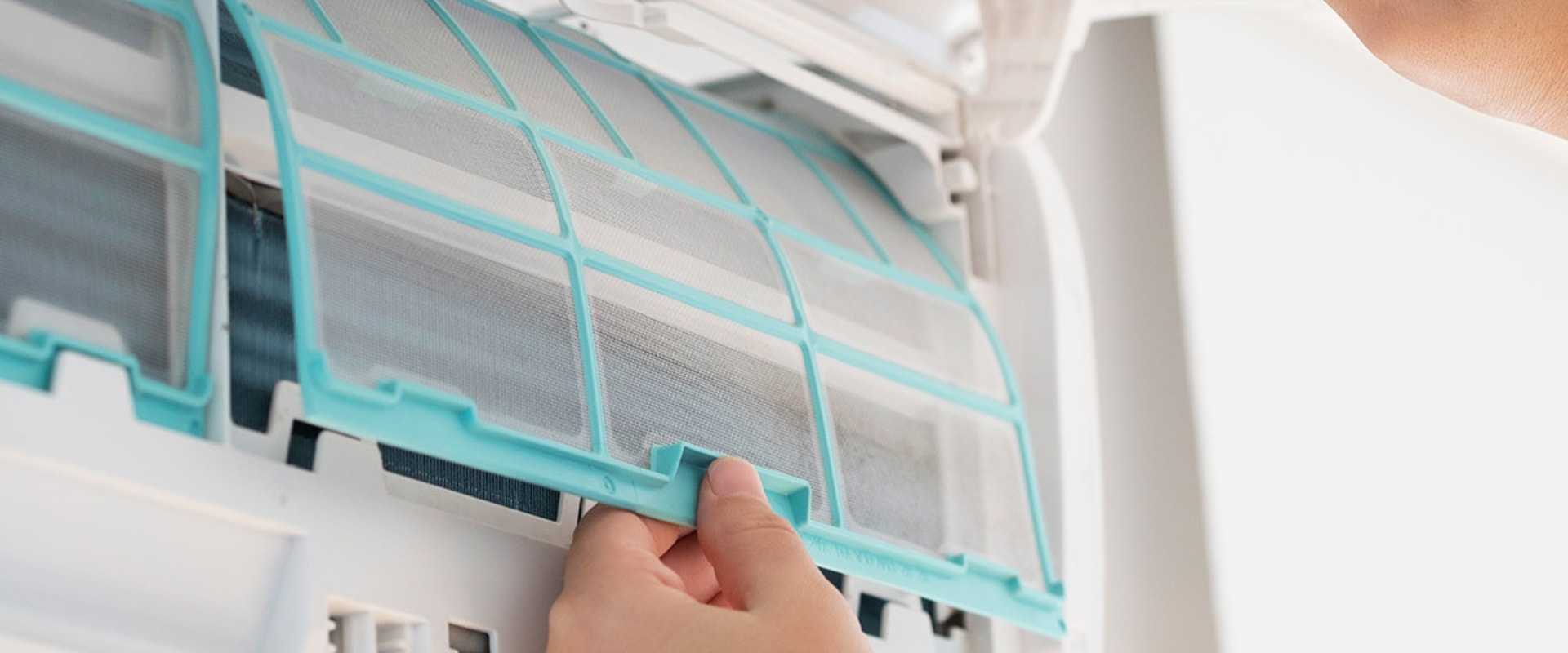
A dirty air filter can significantly hinder airflow and cooling efficiency. Remove the filter and inspect it for dirt and debris:- If it appears clogged, replace it with a new one.
- For reusable filters, clean them according to the manufacturer’s instructions.
4.Examine the Circuit Breaker
If your air conditioner isn’t turning on, check the circuit breaker panel:- Locate the breaker dedicated to your AC unit.
- If it has tripped, reset it by flipping it off and then back on.
- If it trips again, there may be a more serious electrical issue that requires professional attention.
5.Assess Airflow from Vents
Next, check the airflow from your supply vents:- Turn on your AC and feel for cool air coming from each vent.
- If some vents are blowing warm air, there may be blockages in the ductwork or issues with the system itself.
6.Inspect the Outdoor Unit
The outdoor unit plays a crucial role in cooling your home. Ensure it is free from debris such as leaves, dirt, or branches:- Clear any obstructions around the unit to allow for proper airflow.
- Check for visible signs of damage or leaks in refrigerant lines.
7.Look for Water Leaks
If you notice water pooling around your indoor unit, this could indicate a clogged drain line:- Inspect the drain pan for standing water.
- If clogged, use a wet/dry vacuum to clear the line or call a professional if you’re unsure how to proceed.
8.Monitor for Unusual Noises
Peculiar sounds can signal various issues:- Banging or clanking may indicate loose parts.
- Squealing could suggest worn-out bearings in the fan motor.
- If you hear hissing or bubbling sounds, this might point to refrigerant leaks.
Fixing Basic Air Conditioner Problems
When it comes to fixing air conditioner issues, many homeowners can tackle basic problems without needing to call in a professional. By understanding some straightforward solutions, you can save time and money while ensuring your air conditioning unit runs efficiently.Here are some simple fixes for common air conditioner problems.
Cleaning or Replacing the Air Filter
A dirty air filter is one of the most frequent culprits behind poor air conditioning performance. If you notice reduced airflow or increased energy bills, start by checking the air filter. Here’s how to address this issue:- Locate the filter: Typically found in the return air duct or near the indoor unit.
- Inspect the filter: If it appears clogged with dust and debris, it’s time for a cleaning or replacement.
- Replace or clean: If it’s a disposable filter, replace it with a new one. If it’s reusable, wash it according to the manufacturer’s instructions and allow it to dry completely before reinstalling.
Adjusting the Thermostat
If your air conditioner isn’t cooling as expected, check the thermostat settings.Sometimes, a simple adjustment can resolve the issue:
- Check settings: Ensure that the thermostat is set to “cool” and that the desired temperature is lower than the current room temperature.
- Test functionality: Increase the temperature setting to see if the unit turns off; if it does not respond, consider replacing the batteries or recalibrating the thermostat.
Resetting Circuit Breakers
If your air conditioner suddenly stops working, a tripped circuit breaker may be to blame. Here’s how to reset it:- Locate your electrical panel: Find the circuit breaker box in your home.
- Identify tripped breakers: Look for any switches that are in the “off” position or appear to be in between on and off.
- Reset the breaker: Flip the switch back to the “on” position and check if your air conditioner starts functioning again.
Cleansing Outdoor Unit
The outdoor unit plays a crucial role in your air conditioning system's efficiency. Regular maintenance can prevent many issues:- Clear debris: Remove leaves, dirt, and other obstructions from around the unit to ensure proper airflow.
- Check for damage: Inspect for any visible signs of wear or damage that may require professional attention.
When to Call a Professional for Air Conditioner Repair
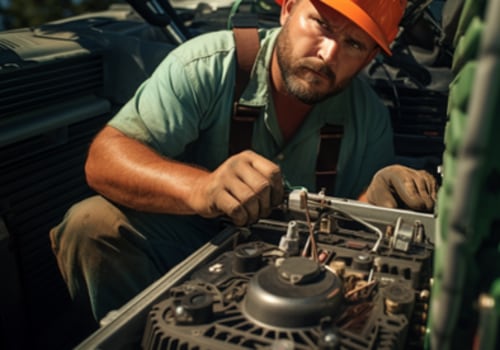
While many air conditioning issues can be resolved with basic troubleshooting, there are certain situations where the expertise of a professional is essential.Recognizing these signs can save you time, money, and potential hazards. Here are some key indicators that it’s time to call in a professional for air conditioner repair.
- Unusual Noises: If your air conditioning unit starts making strange sounds—such as grinding, squealing, or banging—it could indicate a serious mechanical issue. These noises often suggest that components are loose or damaged, which can lead to further complications if not addressed promptly.
- Unpleasant Odors: A musty or burning smell coming from your air conditioner is a red flag. Musty odors may indicate mold growth within the system, while burning smells could suggest electrical issues or overheating components.
Both scenarios require immediate attention from a qualified technician.
- Water Leaks: If you notice water pooling around your air conditioning unit, it could be due to a clogged drain line or a refrigerant leak. Water damage can lead to mold growth and structural issues in your home, making it crucial to seek professional help as soon as possible.
- Inconsistent Cooling: If some rooms in your home are significantly warmer than others, it may indicate an issue with the ductwork or the air conditioning unit itself. A professional can assess the system to determine whether it’s a simple fix or if more extensive repairs are needed.
- Frequent Cycling: If your air conditioner frequently turns on and off (a phenomenon known as short cycling), it may be struggling to maintain the desired temperature due to an underlying issue. This not only affects comfort but can also lead to increased energy bills and wear on the system.
- Age of the Unit: If your air conditioning system is over 10-15 years old and starts showing signs of malfunction, it may be more cost-effective to replace it rather than continually repairing it.
A professional can help you evaluate whether repair or replacement is the best option.
Preventive Maintenance for Air Conditioners
Regular maintenance of your air conditioning unit is essential for ensuring its longevity and efficiency. Just like any other appliance, your AC requires attention to function optimally.Preventive maintenance not only helps in identifying potential issues before they escalate but also enhances the overall performance of your system.
Why Preventive Maintenance Matters
Engaging in routine maintenance can significantly reduce the risk of unexpected breakdowns, which can be both inconvenient and costly. By investing time in preventive care, you can:
- Extend the lifespan of your air conditioning unit.
- Improve energy efficiency, leading to lower utility bills.
- Enhance indoor air quality by reducing dust and allergens.
- Ensure consistent cooling throughout your home.
Actionable Air Conditioner Maintenance Tips
Here are some practical tips to help you maintain your air conditioning system effectively:
- Change or Clean Air Filters Regularly: Dirty filters can restrict airflow, making your AC work harder. Check your filters monthly and replace or clean them every 1-3 months, depending on usage.
- Inspect the Outdoor Unit: Ensure that the outdoor condenser unit is free from debris such as leaves, dirt, and grass. Clear at least two feet of space around the unit to allow for proper airflow.
- Check Refrigerant Levels: Low refrigerant levels can lead to inefficient cooling.
If you suspect a leak or low levels, contact a professional for a check-up.
- Clean the Coils: Both the evaporator and condenser coils should be cleaned regularly to remove dirt buildup. This helps maintain efficient heat exchange and cooling performance.
- Inspect Ductwork: Look for any signs of leaks or blockages in your ductwork. Sealing leaks can improve efficiency and ensure that cool air reaches every room in your home.
- Schedule Annual Professional Maintenance: Having a qualified technician perform a thorough inspection and tune-up once a year can catch issues early and keep your system running smoothly.
Conclusion
By following these preventive maintenance tips, you can significantly enhance the performance and lifespan of your air conditioning unit. Regular care not only saves you money in the long run but also ensures that your home remains comfortable during those hot summer months.
Remember, a well-maintained air conditioner is key to enjoying cool, refreshing air when you need it most.
Frequently Asked Questions About Air Conditioner Repair
When it comes to air conditioner repair, many homeowners have questions that arise during the troubleshooting process. Below are some of the most frequently asked questions regarding AC repair, along with clear and concise answers to help you navigate common issues.What are the signs that my air conditioner needs repair?
There are several indicators that your air conditioning unit may require professional attention:- Unusual noises: If you hear grinding, squealing, or banging sounds, it could indicate mechanical issues.
- Inconsistent cooling: If some rooms are cooler than others or the unit fails to cool your home effectively, it may need servicing.
- Increased energy bills: A sudden spike in your energy costs can suggest that your AC is working harder than it should due to inefficiencies.
- Foul odors: Strange smells can indicate mold growth or electrical issues within the unit.
- Water leaks: Any moisture around your air conditioner can signal a problem with the drainage system.
How often should I have my air conditioner serviced?
It is recommended to have your air conditioning system professionally serviced at least once a year. Regular maintenance helps identify potential problems early and ensures that your unit operates efficiently. Scheduling service before the peak cooling season can help prevent unexpected breakdowns.Can I perform air conditioner repairs myself?
While some minor maintenance tasks, such as changing filters or cleaning debris from the outdoor unit, can be done by homeowners, more complex repairs should be left to professionals.Attempting to fix significant issues without proper knowledge can lead to further damage and safety hazards.
What should I do if my air conditioner is blowing warm air?
If your AC is blowing warm air, first check the thermostat settings to ensure it is set to 'cool' and that the temperature is lower than the current room temperature. If everything seems correct, inspect the air filter for clogs and check for any blockages in the outdoor unit. If these steps do not resolve the issue, it may be time to call a technician.How long does an air conditioner typically last?
The lifespan of an air conditioning unit varies based on usage and maintenance but generally ranges from 10 to 15 years. Regular maintenance can extend its life, while neglecting repairs can shorten its lifespan significantly.If you have additional questions about air conditioner repair, don’t hesitate to reach out to a qualified HVAC professional for guidance tailored to your specific situation.Conclusion: Mastering Your Air Conditioner Repair Skills
In conclusion, mastering your air conditioner repair skills is not just about fixing problems as they arise; it’s about understanding the intricate workings of your system and being proactive in its maintenance.Throughout this article, we have explored various aspects of diagnosing and repairing common air conditioning issues, emphasizing the importance of a systematic approach.First and foremost, we discussed the significance of checking the basics. Simple tasks such as inspecting the air filter, ensuring the thermostat is set correctly, and verifying circuit breakers can often resolve many issues without the need for professional intervention. These foundational steps are crucial for maintaining optimal performance and efficiency.We also highlighted the importance of inspecting the outdoor unit. This component plays a vital role in your air conditioning system's overall functionality.
Keeping it clear of debris and ensuring proper airflow can prevent many common problems from developing.Moreover, we delved into specific issues like drain line blockages and frozen coils. Understanding these problems allows you to take timely action, potentially saving you from costly repairs down the line. Regular maintenance, including cleaning air ducts and servicing your unit annually, can significantly extend its lifespan and enhance its efficiency.However, it’s essential to recognize when to seek professional help. Certain issues, such as strange noises or persistent leaks, may indicate more serious underlying problems that require expert attention.
Knowing your limits is just as important as being proactive.Ultimately, by equipping yourself with knowledge and practical skills related to air conditioner repair, you empower yourself to tackle minor issues confidently while also knowing when to call in a professional. This balance of self-sufficiency and awareness will not only enhance your comfort but also contribute to a more efficient and reliable air conditioning system in your home.