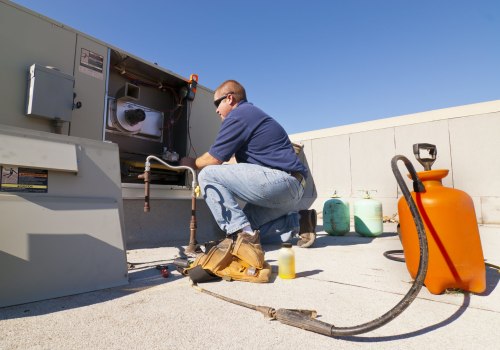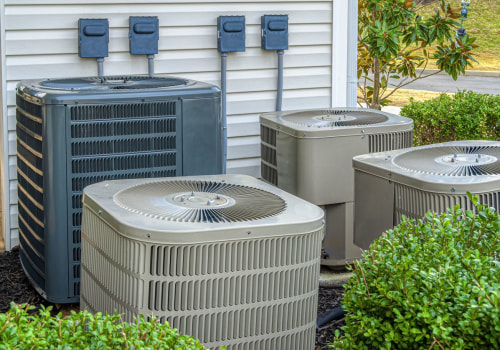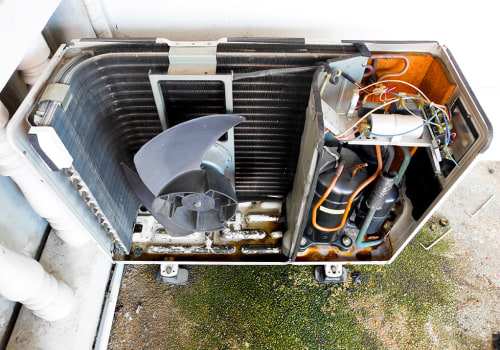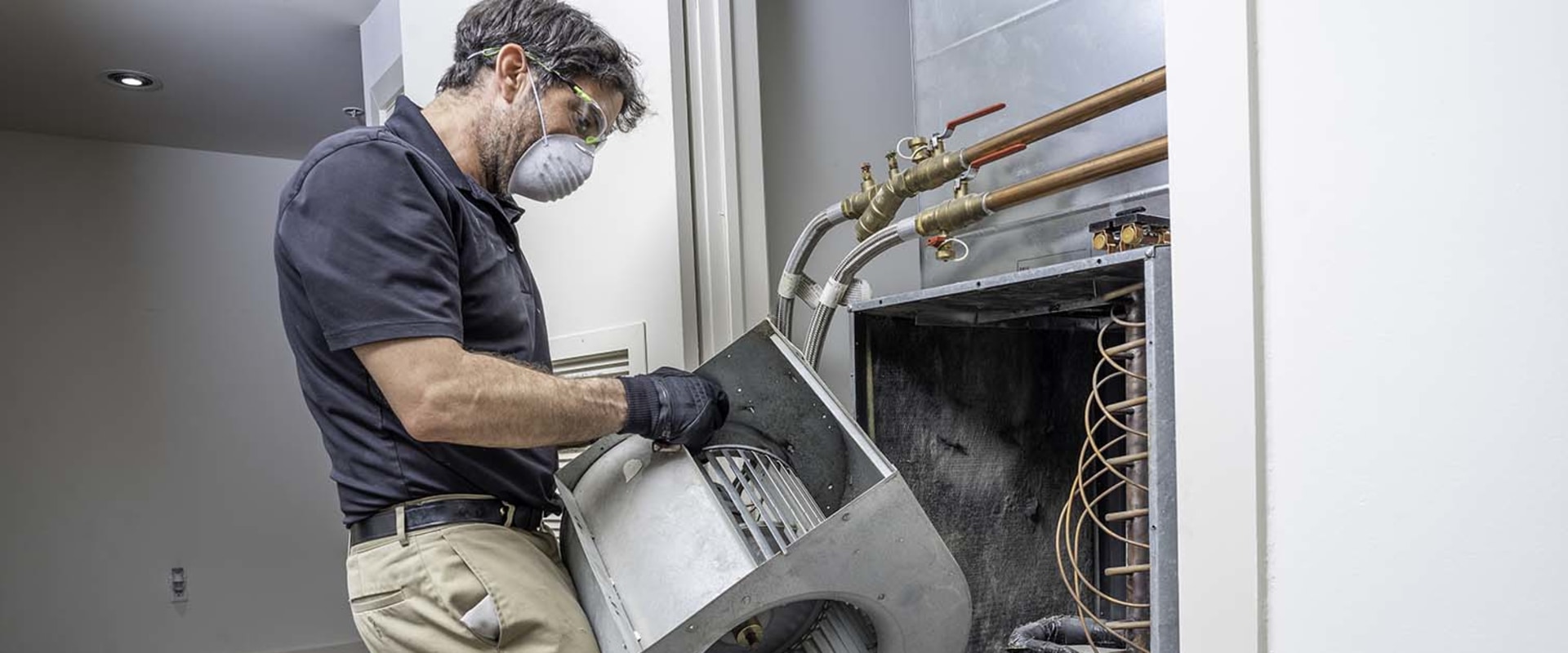
Heating, ventilation, and air conditioning (HVAC) systems play a pivotal role in ensuring indoor comfort throughout the year. These systems are designed to regulate temperature, humidity, and air quality, making them essential for both residential and commercial spaces. An HVAC system typically consists of several key components, including the furnace or heat pump, air conditioner, ductwork, and ventilation systems. Each of these elements works in harmony to create a comfortable environment, regardless of the weather conditions outside.The importance of HVAC systems extends beyond mere comfort; they also significantly impact energy efficiency and indoor air quality.
A well-maintained HVAC system can help reduce energy consumption, leading to lower utility bills and a smaller carbon footprint. Furthermore, proper ventilation is crucial for maintaining healthy indoor air quality by filtering out pollutants and allergens. This is particularly important for individuals with respiratory issues or allergies, as clean air can greatly enhance their quality of life.Understanding the basics of air conditioning is also vital for homeowners. Air conditioners function by removing heat from indoor air and expelling it outside, thereby cooling the living space.
This process involves several stages, including the compression of refrigerant gas, condensation, and evaporation. Each stage must operate efficiently to ensure optimal performance. When homeowners neglect regular maintenance, such as changing filters or cleaning coils, it can lead to decreased efficiency and potential breakdowns.In summary, HVAC systems are integral to our daily lives, providing comfort and improving air quality. Recognizing their importance is the first step toward ensuring they operate effectively.
As we delve deeper into this article, we will explore how regular maintenance can prevent costly repairs and extend the lifespan of these essential systems.
The Consequences of Neglecting HVAC Maintenance
Neglecting regular HVAC maintenance can lead to a cascade of negative consequences that not only affect the performance of your system but also your wallet. Understanding these repercussions is crucial for homeowners who wish to maintain a comfortable living environment while avoiding unnecessary expenses.One of the most immediate consequences of skipping maintenance is the increased likelihood of HVAC system failure. When components such as filters, coils, and fans are not regularly cleaned and inspected, they can become clogged or damaged. This can lead to overheating, inefficient operation, and ultimately, complete system breakdown.A malfunctioning air conditioning unit can leave you sweltering in the summer heat, necessitating urgent air conditioner repair that could have been avoided with routine care.Moreover, the costs associated with emergency repairs can be staggering. According to industry estimates, homeowners can expect to pay anywhere from $150 to $500 for minor repairs, while major issues like compressor failure can run into the thousands. These unexpected expenses can strain your budget and disrupt your daily life.In addition to repair costs, neglecting maintenance can significantly reduce the lifespan of your HVAC system. Most systems are designed to last between 15 to 20 years with proper care.
However, without regular maintenance, this lifespan can be cut short by several years. Replacing an entire HVAC system is a substantial investment, often costing between $5,000 and $10,000 or more depending on the size and efficiency of the unit.Another critical aspect to consider is energy efficiency. A well-maintained HVAC system operates more efficiently, consuming less energy to achieve the desired temperature. When maintenance is neglected, systems work harder than necessary, leading to higher energy bills.
Homeowners may notice a spike in their utility costs during peak seasons if their systems are not functioning optimally.Finally, neglecting HVAC maintenance can also impact indoor air quality. Dirty filters and components can circulate dust, allergens, and pollutants throughout your home, potentially exacerbating respiratory issues for occupants. This not only affects comfort but also poses health risks that could lead to additional medical expenses.In summary, the consequences of neglecting HVAC maintenance extend far beyond mere inconvenience. From costly repairs and reduced system lifespan to increased energy bills and compromised air quality, the risks are significant.
Proactive care is essential for ensuring that your HVAC system operates efficiently and effectively for years to come.
Common Causes of HVAC System Failures
Understanding the common causes of HVAC system failures is essential for homeowners who want to maintain a comfortable living environment and avoid costly repairs. Regular maintenance can significantly reduce the likelihood of these issues arising, but many homeowners remain unaware of the specific problems that can lead to system breakdowns.One of the most prevalent issues is excessive dirt buildup. Over time, dust and debris can accumulate in various components of the HVAC system, particularly in the air filters and coils. When air filters become clogged, they restrict airflow, forcing the system to work harder to maintain desired temperatures.This not only increases energy consumption but can also lead to overheating and eventual failure of critical components.
Incorrect installation
is another significant factor contributing to HVAC failures. If an air conditioning unit is not installed correctly, it may not operate efficiently or effectively. Issues such as improper sizing can lead to short cycling, where the system turns on and off frequently, causing wear and tear on the compressor and other parts. Ensuring that your HVAC system is installed by a qualified technician can help mitigate this risk.Lack of regular maintenance is perhaps the most critical cause of HVAC failures.
Many homeowners neglect to schedule routine inspections and tune-ups, which are vital for identifying potential problems before they escalate. During these maintenance visits, technicians can clean components, check refrigerant levels, and ensure that all parts are functioning optimally. This proactive approach not only extends the lifespan of your system but also enhances its efficiency.Another common issue is refrigerant leaks. Refrigerant is essential for cooling your home, and any loss can lead to inadequate cooling performance.
Leaks often go unnoticed until significant damage occurs, making it crucial to have your system checked regularly for signs of refrigerant loss.Finally, electrical problems , such as faulty wiring or malfunctioning thermostats, can also lead to HVAC failures. These issues can disrupt the entire system's operation and may pose safety risks if not addressed promptly. Regular inspections help identify electrical issues early on, allowing for timely repairs.In summary, being aware of these common causes of HVAC system failures can empower homeowners to take preventive measures through regular maintenance. By addressing dirt buildup, ensuring proper installation, scheduling routine inspections, checking for refrigerant leaks, and monitoring electrical systems, you can significantly reduce the risk of costly air conditioner repairs.
The Role of Regular Maintenance in Preventing Failures
Regular maintenance of HVAC systems plays a pivotal role in preventing failures and ensuring optimal performance.By investing time and resources into routine upkeep, homeowners can significantly extend the lifespan of their air conditioning units and avoid costly repairs.One of the primary benefits of regular HVAC maintenance is the identification and resolution of potential issues before they escalate into major problems. During a maintenance visit, technicians conduct thorough inspections that include:
- Checking refrigerant levels: Low refrigerant can lead to inefficient cooling and increased energy consumption.
- Inspecting electrical components: Loose or damaged wiring can cause system malfunctions or even pose fire hazards.
- Cleaning coils and filters: Dirty coils and filters restrict airflow, forcing the system to work harder and potentially leading to breakdowns.
- Examining ductwork: Leaks or blockages in ductwork can reduce efficiency and lead to uneven cooling throughout the home.
This simple task can prevent strain on the system, reducing the likelihood of unexpected failures.Moreover, regular maintenance enhances energy efficiency. A well-maintained HVAC system operates more smoothly, consuming less energy to achieve desired temperatures. This efficiency translates into lower utility bills, making regular upkeep a financially sound decision in the long run.In summary, the role of regular maintenance in preventing HVAC failures cannot be overstated. By prioritizing routine inspections and upkeep tasks, homeowners can ensure their air conditioning systems remain reliable, efficient, and long-lasting.
Investing in preventive maintenance is not just about avoiding immediate repairs; it’s about safeguarding your comfort and financial well-being for years to come.
Key Maintenance Tasks for Your HVAC System
To ensure your HVAC system operates efficiently and effectively, it is essential to perform regular maintenance tasks. Below is a comprehensive HVAC maintenance checklist that homeowners should follow to keep their air conditioning units in top shape.- Change Air Filters: One of the simplest yet most crucial tasks is to change the air filters regularly. Clogged filters restrict airflow, causing the system to work harder and potentially leading to breakdowns. Aim to replace or clean your filters every month, especially during peak usage seasons.
- Inspect and Clean Coils: Both the evaporator and condenser coils can accumulate dirt over time.
Dirty coils reduce the system's ability to absorb heat, leading to inefficiency. Schedule a thorough cleaning of these coils at least once a year.
- Check Refrigerant Levels: Low refrigerant levels can indicate leaks or other issues within the system. Regularly check the refrigerant levels and ensure they are within the manufacturer's specifications. If you suspect a leak, contact a professional for air conditioner repair.
- Examine Ductwork: Inspect your ductwork for any signs of leaks or blockages.
Leaky ducts can lead to significant energy loss and reduced efficiency. Sealing any gaps and ensuring proper insulation can improve overall performance.
- Test Thermostat Settings: Ensure that your thermostat is functioning correctly by testing its settings. Consider upgrading to a programmable thermostat for better energy management and comfort control.
- Clear Drain Lines: Clogged drain lines can cause water damage and affect indoor humidity levels. Regularly check and clear any blockages in the condensate drain line to prevent these issues.
- Inspect Electrical Components: Regularly check electrical connections, including wiring and terminals, for signs of wear or corrosion.
This can help prevent electrical failures that could lead to costly repairs.
- Schedule Professional Inspections: While many maintenance tasks can be performed by homeowners, it is advisable to schedule annual inspections with a qualified HVAC technician. They can identify potential issues early on and perform more complex maintenance tasks.
How to Choose a Professional HVAC Maintenance Service
Choosing the right HVAC maintenance service is crucial for ensuring the longevity and efficiency of your air conditioning system. With numerous options available, it can be overwhelming to find a qualified professional.Here are some essential factors to consider when selecting an HVAC contractor.
1.Verify Credentials and Experience
Before hiring an HVAC service provider, check their credentials. Ensure they are licensed and insured, as this protects you from liability in case of accidents during repairs. Additionally, look for contractors with significant experience in the field. A company that has been in business for several years is likely to have a proven track record of quality service.2.Read Reviews and Testimonials
Online reviews can provide valuable insights into the quality of service offered by HVAC contractors.Websites like Yelp, Google Reviews, and Angie's List can help you gauge customer satisfaction. Pay attention to recurring themes in reviews, such as punctuality, professionalism, and the effectiveness of repairs.
3.Ask About Maintenance Plans
Inquire whether the contractor offers maintenance plans that include regular inspections and tune-ups. A good maintenance plan can help prevent costly repairs down the line and ensure your system operates efficiently. Ask about the specifics of these plans, including what services are included and how often they are performed.4.Request Estimates
When considering different HVAC services, request written estimates from multiple contractors.This will give you a clearer picture of the market rates for air conditioner repair and maintenance services in your area. Be cautious of estimates that seem unusually low; they may indicate subpar service or hidden costs.
5.Evaluate Customer Service
The level of customer service provided by an HVAC contractor can significantly impact your experience. Pay attention to how promptly they respond to inquiries and whether they take the time to answer your questions thoroughly. A contractor who values customer service is more likely to provide a positive experience throughout the maintenance process.6.Check for Certifications
Look for certifications from recognized organizations such as the North American Technician Excellence (NATE) or the Air Conditioning Contractors of America (ACCA).These certifications indicate that the technicians have undergone rigorous training and adhere to industry standards.By taking these steps, you can confidently choose a professional HVAC maintenance service that meets your needs and ensures your air conditioning system remains in optimal condition.
FAQs About HVAC Maintenance and Repair
When it comes to HVAC maintenance and repair, homeowners often have numerous questions. Understanding the intricacies of your heating and cooling system can help you make informed decisions and ensure your home remains comfortable year-round. Below are some frequently asked questions regarding HVAC maintenance and air conditioning repair.What is the recommended frequency for HVAC maintenance?
It is generally advised to schedule professional HVAC maintenance at least once a year. For air conditioning systems, a spring check-up is ideal, while heating systems should be serviced in the fall.Regular maintenance helps identify potential issues before they escalate into costly repairs.
How can I tell if my air conditioner needs repair?
There are several signs that may indicate your air conditioner requires repair:- Unusual noises: If you hear grinding, squealing, or banging sounds, it could signal a mechanical issue.
- Inconsistent temperatures: If some rooms are cooler than others or the system struggles to maintain the set temperature, it may need attention.
- Increased energy bills: A sudden spike in your energy costs without a change in usage can indicate inefficiency due to a malfunctioning unit.
- Foul odors: Unpleasant smells can suggest electrical issues or mold growth within the system.
What should I do if my HVAC system breaks down?
If your HVAC system fails, the first step is to check your thermostat settings and ensure that power is reaching the unit. If everything appears normal but the system still isn’t functioning, contact a qualified HVAC technician for diagnosis and repair. Avoid attempting to fix complex issues yourself, as this can lead to further damage or safety hazards.Are there any DIY maintenance tasks I can perform?
Yes! Homeowners can take several proactive steps to maintain their HVAC systems:- Change air filters: Replace or clean filters every 1-3 months to ensure optimal airflow and efficiency.
- Clear debris: Keep outdoor units free from leaves, dirt, and other obstructions that can hinder performance.
- Check insulation: Ensure that ducts are properly insulated to prevent energy loss.
Conclusion: The Long-Term Benefits of Regular HVAC Maintenance
In summary, the significance of regular HVAC maintenance cannot be overstated.By committing to a routine maintenance schedule, homeowners can unlock a multitude of long-term benefits that not only enhance the performance of their air conditioning systems but also contribute to overall household comfort and energy efficiency.
Key Benefits of Regular HVAC Maintenance:
- Increased Longevity: Regular maintenance helps extend the lifespan of your air conditioning unit. Just like any other mechanical system, HVAC units require care and attention to function optimally. By addressing minor issues before they escalate into major problems, you can significantly prolong the life of your system.
- Improved Efficiency: A well-maintained HVAC system operates more efficiently, which translates to lower energy bills. When components are clean and functioning correctly, your air conditioner doesn’t have to work as hard to cool your home, leading to reduced energy consumption.
- Enhanced Air Quality: Regular maintenance includes cleaning or replacing air filters, which is crucial for maintaining good indoor air quality.
A clean filter traps dust, allergens, and pollutants, ensuring that the air circulating in your home is fresh and healthy.
- Fewer Repairs: By investing in routine maintenance, you can minimize the likelihood of unexpected breakdowns. Technicians can identify potential issues during inspections and address them before they lead to costly repairs or system failures.
- Peace of Mind: Knowing that your HVAC system is regularly serviced provides peace of mind. You can rest easy knowing that your home will remain comfortable regardless of external weather conditions.
- Schedule annual professional inspections with a qualified HVAC technician.
- Change or clean air filters monthly to maintain optimal airflow.
- Keep outdoor units clear of debris and vegetation to ensure proper airflow.
- Monitor thermostat settings and adjust them according to seasonal changes for optimal performance.