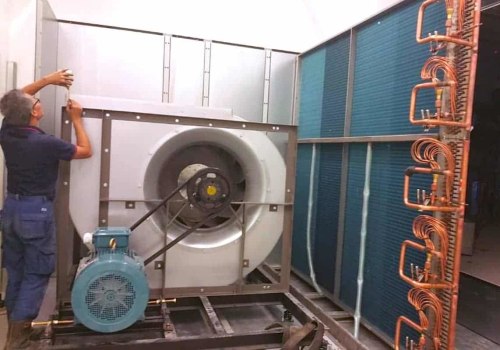
To effectively maintain your air conditioning system, it is essential to understand how it operates and the key components that contribute to its functionality. An air conditioning unit is not just a simple machine; it is a complex system designed to regulate indoor temperatures and improve air quality. By familiarizing yourself with the various parts of your AC unit, you can better appreciate the importance of regular maintenance and the potential pitfalls of neglect. At the heart of any air conditioning system lies the compressor , which acts as the engine of the unit. This component circulates refrigerant through the system, absorbing heat from inside your home and releasing it outside.
The evaporator coil works in tandem with the compressor, allowing the refrigerant to absorb heat and cool the air that is blown into your living space. Meanwhile, the condenser coil releases this heat outdoors, completing the cycle. Understanding these components helps highlight why issues such as a dirty filter or blocked airflow can lead to significant problems. Another critical element of your air conditioning system is the thermostat , which regulates the temperature by signaling when to turn the AC on or off. A malfunctioning thermostat can lead to inefficient cooling and increased energy costs.
Additionally, the drain line plays a vital role in removing excess moisture from the air, preventing mold growth and water damage. Neglecting any of these components can result in costly repairs and reduced efficiency. By grasping how these parts work together, you can take proactive steps to ensure your air conditioning system remains in optimal condition. Regular maintenance not only extends the lifespan of your unit but also enhances its performance, ultimately saving you money on air conditioner repair costs in the long run.
Common Mistakes That Lead to AC Failure
When it comes to maintaining your air conditioning system, understanding the common mistakes that can lead to its failure is crucial. Many homeowners unknowingly engage in practices that can significantly shorten the lifespan of their AC units.When it comes to maintaining your air conditioning system, understanding the common mistakes that can lead to its failure is crucial. Many homeowners unknowingly engage in practices that can significantly shorten the lifespan of their AC units.Here are some of the most frequent errors to avoid:
- Ignoring Regular Maintenance: One of the biggest mistakes is neglecting routine maintenance. Failing to schedule annual inspections and tune-ups can lead to minor issues escalating into major problems. Regular maintenance helps identify potential issues before they become costly repairs.
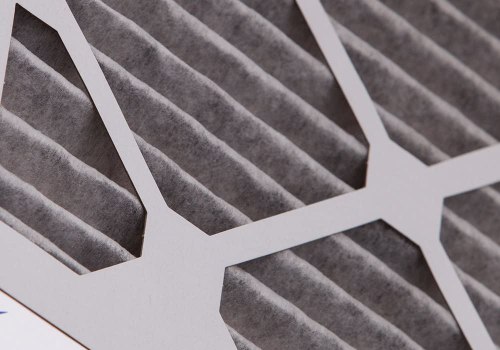
- Overlooking Air Filter Changes: A dirty air filter can severely impact your AC's efficiency. When filters are clogged, airflow is restricted, causing the system to work harder and potentially leading to overheating or compressor failure.
It’s essential to check and replace filters every 1-3 months, especially during peak usage seasons.
- Setting the Thermostat Too Low: Many users mistakenly believe that setting their thermostat at an extremely low temperature will cool their space faster. This practice not only strains the unit but also increases energy consumption. Instead, set your thermostat to a moderate temperature and allow the system to operate efficiently.
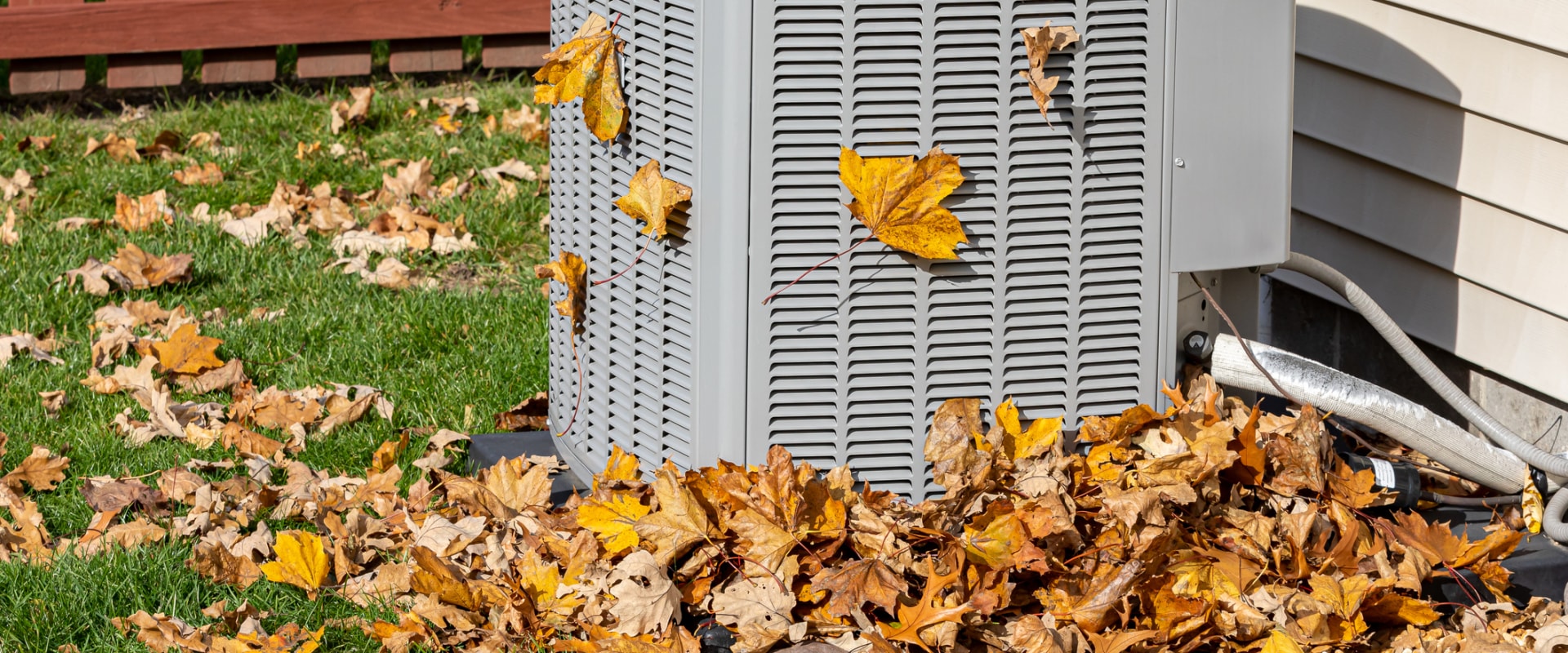
- Neglecting Outdoor Unit Care: The outdoor unit plays a vital role in your AC's performance. Failing to keep it clear of debris, such as leaves and dirt, can obstruct airflow and lead to overheating.
Regularly inspect and clean the area around your outdoor unit to ensure optimal performance.
- Using Decorative Covers: While it may seem appealing to cover your outdoor unit with decorative elements, this can restrict airflow and cause significant damage. Instead, consider using a simple mesh cover that allows for ventilation while protecting against debris.
- Ignoring Unusual Noises or Smells: If you notice strange sounds or odors coming from your AC unit, don’t ignore them. These could be signs of underlying issues that require immediate attention. Addressing these problems early can prevent more extensive damage down the line.
Remember, a little attention goes a long way in ensuring your air conditioning system operates smoothly and efficiently.
Neglecting Regular Maintenance
One of the most significant yet often overlooked aspects of maintaining an air conditioning unit is the necessity of regular maintenance. Just like any other mechanical system, your AC requires consistent care to function efficiently and effectively. Neglecting this crucial aspect can lead to a host of problems, ultimately resulting in costly repairs or even complete system failure.To ensure your air conditioner operates at peak performance, consider implementing the following maintenance tips:- Change the Air Filter Regularly: One of the simplest yet most impactful maintenance tasks is changing the air filter. A clogged or dirty filter restricts airflow, forcing your AC to work harder and potentially leading to overheating.
Aim to check and replace your filter every 1-3 months, depending on usage and the type of filter.
- Clean the Coils: Both the evaporator and condenser coils play a vital role in your AC's efficiency. Dust and debris can accumulate on these coils, reducing their ability to absorb and release heat. Cleaning them at least once a year can significantly enhance your unit's performance.
- Inspect the Drain Line: A blocked drain line can cause water to back up and damage your AC unit. Regularly check for clogs and clear them as needed.
This simple task can prevent water damage and mold growth in your home.
- Schedule Professional Inspections: While DIY maintenance is essential, nothing beats a professional inspection. Schedule a comprehensive check-up at least once a year with a qualified technician. They can identify potential issues before they escalate into major problems, ensuring your system runs smoothly.
Additionally, a well-maintained air conditioner provides better air quality, contributing to a healthier living environment.In summary, neglecting regular maintenance can have dire consequences for your air conditioning system. By committing to routine checks and professional servicing, you can avoid costly repairs and ensure that your AC unit remains reliable throughout its lifespan.
The Impact of Improper Temperature Settings
One of the most significant yet often overlooked factors affecting the longevity and efficiency of your air conditioning system is the temperature setting on your thermostat. Many homeowners mistakenly believe that setting their AC to an extremely low temperature will cool their space faster. However, this practice can lead to a range of issues that not only strain the unit but also inflate energy costs.When you set your thermostat too low, your air conditioner works harder than necessary to reach that temperature.This excessive strain can lead to:
- Increased Wear and Tear: The compressor, which is responsible for circulating refrigerant and cooling the air, operates continuously at a high capacity. Over time, this can lead to premature failure of critical components.
- Higher Energy Bills: Running your AC at lower temperatures requires more energy, resulting in significantly higher utility bills. In fact, for every degree you lower your thermostat below 78°F, you can increase your energy consumption by about 8%.
- Reduced Comfort: Ironically, setting the temperature too low can create discomfort. The air may become overly cold and dry, leading to an unpleasant indoor environment.
- Set Your Thermostat Wisely: Aim for a comfortable temperature around 75°F to 78°F during the summer months.
This range balances comfort with energy efficiency.
- Utilize Programmable Thermostats: Invest in a programmable or smart thermostat that allows you to set different temperatures for different times of the day. For instance, you can raise the temperature when you're not home and lower it just before you return.
- Consider Humidity Levels: Sometimes, it’s not just about temperature; humidity plays a crucial role in comfort. If your home feels sticky or uncomfortable, consider using a dehumidifier in conjunction with your AC rather than lowering the thermostat further.
Ignoring Warning Signs of Trouble
When it comes to maintaining your air conditioning system, being aware of the warnings signs that indicate trouble is crucial. Ignoring these signs can lead to minor issues escalating into costly repairs or even complete system failure.Here are some common warning signs that your AC unit may be malfunctioning:
- Unusual Noises: If your air conditioner starts making strange sounds such as grinding, squealing, or banging, it could indicate a serious problem. These noises often suggest that components are wearing out or that there is a mechanical failure.
- Inconsistent Cooling: If certain rooms in your home are warmer than others or if the AC is not cooling effectively, it may be a sign of a refrigerant leak or a malfunctioning compressor. This inconsistency can lead to discomfort and increased energy bills.
- Foul Odors: A musty or burning smell coming from your AC unit can indicate mold growth or electrical issues. Both situations require immediate attention to prevent health risks and further damage.
- Increased Energy Bills: A sudden spike in your energy bills without any change in usage patterns can signal that your air conditioner is working harder than it should.
This inefficiency often stems from underlying issues that need to be addressed.
- Water Leaks: If you notice water pooling around your AC unit, it could mean that the condensate drain is clogged or that there is a refrigerant leak. Both situations can lead to significant damage if not resolved quickly.
Ignoring these signs can lead to more extensive damage and higher repair costs down the line.In summary, staying vigilant about the performance of your air conditioning unit and recognizing these warning signs can save you time and money. Regular maintenance and timely repairs will ensure that your system runs efficiently and lasts longer.
The Dangers of DIY Repairs
When it comes to air conditioner repair, many homeowners are tempted to take matters into their own hands. While DIY projects can be rewarding and cost-effective, attempting to fix your AC unit without the proper knowledge and tools can lead to significant risks and complications.Understanding the Risks of DIY AC Repairs
One of the primary dangers of DIY repairs is the potential for further damage. Air conditioning systems are complex machines that require a deep understanding of their components and how they interact.
A small mistake, such as misplacing a wire or using the wrong type of refrigerant, can exacerbate existing issues or create new ones. This not only leads to more extensive damage but can also result in higher repair costs down the line.Additionally, many homeowners lack the specialized tools needed for effective repairs. For instance, handling refrigerants requires specific equipment and knowledge due to their hazardous nature. Improper handling can lead to leaks, which not only harm the environment but also pose health risks to you and your family.
When to Call in a Professional
There are certain situations where hiring a professional is not just advisable but necessary:
- Electrical Issues: If you suspect electrical problems, such as frequent tripping of circuit breakers or burnt wires, it’s crucial to call an expert.
Electrical repairs can be dangerous and should only be handled by qualified technicians.
- Refrigerant Leaks: If you notice a drop in cooling efficiency or see ice forming on your AC unit, it may indicate a refrigerant leak. This requires specialized knowledge and tools to repair safely.
- Complex Repairs: If your AC unit is making unusual noises or has stopped working altogether, these symptoms could indicate deeper mechanical issues that require professional diagnostics.
The Value of Professional Expertise
Hiring a professional for air conditioner repair not only ensures that the job is done correctly but also provides peace of mind. Certified technicians have undergone extensive training and possess the experience necessary to identify problems quickly and accurately. They also have access to advanced tools and equipment that most homeowners do not have.In conclusion, while DIY repairs may seem like a cost-saving option, they often come with hidden risks that can lead to more significant problems.
Understanding when to seek professional help is essential for maintaining your air conditioning system's efficiency and longevity.
Choosing the Right Air Conditioner for Your Home
Choosing the right air conditioner for your home is crucial not only for comfort but also for energy efficiency and long-term savings. With a variety of options available, understanding how to select the best unit can prevent costly mistakes down the line.1.Determine the Right Size
One of the most critical factors in selecting an air conditioning unit is ensuring it is appropriately sized for your space. An AC unit that is too small will struggle to cool your home, leading to increased energy consumption and wear on the system. Conversely, an oversized unit will cycle on and off frequently, which can cause humidity issues and reduce its lifespan.To find the right size, consider the following:
- Square Footage: Measure the area of the room or home you wish to cool.
Most manufacturers provide a BTU (British Thermal Unit) chart that correlates room size with required cooling capacity.
- Ceiling Height: Higher ceilings may require additional BTUs to maintain a comfortable temperature.
- Insulation Quality: Well-insulated homes retain cool air better, potentially allowing for a smaller unit.
- Sun Exposure: Rooms with large windows or those that receive direct sunlight may need more cooling power.
2.Energy Efficiency Ratings
When selecting an air conditioner, pay attention to its energy efficiency rating. Look for units with a high SEER (Seasonal Energy Efficiency Ratio). A higher SEER rating indicates better energy efficiency, which can lead to significant savings on your utility bills over time. Additionally, consider models that are ENERGY STAR certified, as they meet strict efficiency guidelines set by the U.
S. Environmental Protection Agency.
3.Installation Considerations
The installation process can greatly impact the performance of your air conditioning unit. Improper installation can lead to air leaks, reduced efficiency, and even system failure. It’s advisable to hire a professional HVAC technician who can ensure that your unit is installed correctly and in accordance with local building codes.In summary, choosing the right air conditioner involves careful consideration of size, energy efficiency, and installation practices.
By taking these factors into account, you can avoid common pitfalls and ensure that your AC unit operates effectively for years to come.
FAQs About Air Conditioner Repair and Maintenance
When it comes to air conditioner repair and maintenance, many homeowners have questions that can help them better understand their systems and avoid costly mistakes. Here are some frequently asked questions that can provide clarity and guidance.What are the signs that my air conditioner needs repair?
There are several indicators that your AC unit may require professional attention:- Unusual noises: If you hear grinding, squealing, or banging sounds, it could signal a mechanical issue.
- Inconsistent cooling: If some rooms are cooler than others or the unit struggles to maintain the set temperature, it may need repairs.
- Increased energy bills: A sudden spike in your energy costs can indicate that your AC is working harder than it should due to inefficiencies.
- Foul odors: Musty or burning smells can suggest mold growth or electrical issues within the unit.
- Water leaks: Puddles around your AC unit can indicate a refrigerant leak or a clogged drain line.
How often should I perform maintenance on my air conditioner?
Regular maintenance is crucial for the longevity of your AC unit. It is generally recommended to schedule professional maintenance at least once a year, ideally before the cooling season begins. Additionally, homeowners should:- Check and replace air filters every 1-3 months, depending on usage and filter type.
- Inspect the outdoor unit for debris and ensure it is clear of obstructions.
- Keep the area around the indoor unit clean and free from dust and dirt.
Can I perform repairs on my own?
While some minor tasks, such as changing air filters or cleaning the outdoor unit, can be done by homeowners, most repairs should be left to professionals.Attempting complex repairs without proper knowledge can lead to further damage and void warranties. Always consult with a certified technician for significant issues.
What should I do if my air conditioner breaks down?
If your AC unit stops working, follow these steps:- Check the thermostat: Ensure it is set correctly and functioning properly.
- Inspect the circuit breaker: A tripped breaker may be the cause of the issue.
- Look for visible issues: Check for leaks or blockages around the unit.
- Call a professional: If basic troubleshooting does not resolve the problem, contact an HVAC technician for diagnosis and repair.
Conclusion: Protecting Your Investment in Air Conditioning
In conclusion, safeguarding your air conditioning unit is not just about enjoying a cool environment during the sweltering summer months; it’s about protecting a significant investment. By understanding and avoiding the costly mistakes that can lead to premature failure of your AC system, you can ensure its longevity and efficiency.Throughout this article, we have highlighted several critical errors that homeowners often make, including:- Neglecting Regular Maintenance: Failing to schedule routine check-ups can lead to minor issues escalating into major repairs.
- Ignoring Air Filter Changes: A clogged filter restricts airflow, causing the system to work harder and potentially leading to breakdowns.
- Improper Temperature Settings: Setting the thermostat too low can strain the unit and increase energy costs.
- Covering Outdoor Units: Decorative covers may seem appealing but can obstruct airflow and damage essential components.
Treat it with care and respect by avoiding these common pitfalls. Not only will you save money on repairs, but you will also enhance the overall efficiency of your unit, leading to lower energy bills and a more comfortable living space.Remember, an ounce of prevention is worth a pound of cure. By implementing these best practices today, you can enjoy peace of mind knowing that your air conditioning system is well-maintained and ready to keep you cool for years to come.