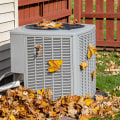
Understanding the intricacies of an HVAC system is essential for homeowners and professionals alike, especially when it comes to maintaining a comfortable indoor environment. At the core of this complex system lies the compressor, a component often likened to the heart of the unit. This vital part is responsible for circulating refrigerant throughout the system, enabling the transfer of heat and ultimately regulating indoor temperatures. Without a properly functioning compressor, even the most advanced air conditioning systems can falter, leading to discomfort and increased energy costs.The compressor's role extends beyond mere functionality; it is integral to the overall efficiency and performance of your air conditioning system.
When you think about air conditioner repair, it’s crucial to recognize that many issues stem from compressor malfunctions. A failing compressor can lead to inadequate cooling, increased energy consumption, and even complete system breakdowns. Understanding how this component operates can empower homeowners to identify potential problems early and seek timely repairs, thus prolonging the lifespan of their HVAC systems.Moreover, the compressor's importance cannot be overstated when considering energy efficiency. Modern compressors are designed with advanced technology that optimizes performance while minimizing energy use.
This not only contributes to lower utility bills but also supports environmental sustainability by reducing overall energy consumption. As we delve deeper into the workings of HVAC systems, it becomes clear that recognizing the significance of the compressor is essential for anyone looking to maintain their air conditioning unit effectively.
What is a Compressor?
A compressor is a vital component of an HVAC system, acting as the heart that circulates refrigerant throughout the unit. Its primary function is to compress the refrigerant gas, raising its pressure and temperature before it moves to the condenser. This process is essential for the cooling cycle, as it allows the refrigerant to release heat outside your home, thereby cooling the indoor air.In essence, the compressor transforms low-pressure refrigerant gas into high-pressure gas, which is crucial for maintaining efficient operation.Without a properly functioning compressor, your air conditioning system would struggle to cool your home effectively, leading to increased energy consumption and potential system failure.
HVAC Compressor Function
The function of a compressor can be broken down into several key stages:- Intake: The compressor draws in low-pressure refrigerant gas from the evaporator coil.
- Compression: The gas is compressed, which raises its pressure and temperature significantly.
- Discharge: The high-pressure gas is then sent to the condenser coil, where it releases heat and transforms into a liquid state.
Types of Compressors
There are several types of compressors used in HVAC systems, each with its own advantages and applications:- Reciprocating Compressors: These are commonly used in residential air conditioning systems. They utilize pistons to compress the refrigerant and are known for their reliability and efficiency.
- Screw Compressors: Often found in larger commercial systems, screw compressors use two interlocking screws to compress the refrigerant. They are highly efficient and capable of handling large volumes of refrigerant.
- Centrifugal Compressors: These compressors use a rotating disk to increase the velocity of the refrigerant, making them suitable for large-scale applications. They are known for their high efficiency at larger capacities.
Regular checks on your compressor's performance can prevent costly repairs and ensure your HVAC system operates efficiently for years to come.
How Does a Compressor Work?
The operation of a compressor is fundamental to the efficiency and effectiveness of an HVAC system. Understanding how a compressor works is essential for anyone interested in air conditioner repair, as it directly impacts the overall performance of the unit.At its core, the compressor serves as a pump that compresses refrigerant gas, raising its pressure and temperature. This process is crucial in the refrigerant cycle, which is the mechanism that allows your air conditioning system to cool your home. The cycle begins when low-pressure refrigerant gas enters the compressor from the evaporator coil.Once inside, the compressor utilizes a motor to drive a piston or scroll mechanism, which compresses the gas.As the gas is compressed, its temperature rises significantly due to the principles of thermodynamics. This high-pressure, high-temperature gas then exits the compressor and flows into the condenser coil.In the condenser, the hot gas releases its heat to the outside air, causing it to condense into a liquid state. This transformation is vital because it prepares the refrigerant for its next phase in the cycle. The liquid refrigerant then travels back to the expansion valve, where it undergoes a pressure drop and evaporates into a low-pressure gas again, ready to absorb heat from your home.To summarize, the compressor plays a pivotal role in maintaining the refrigerant cycle by:
- Compressing low-pressure refrigerant gas into high-pressure gas.
- Increasing the temperature of the refrigerant through compression.
- Facilitating heat transfer by sending high-pressure gas to the condenser.
Regular maintenance and timely air conditioner repair can prevent issues that may arise from a malfunctioning compressor, such as inefficient cooling or increased energy costs.
Common Issues with Compressors
The compressor is a vital component of your HVAC system, but like any mechanical device, it can encounter problems that may affect its performance. Understanding the common issues associated with compressors can help homeowners and technicians identify potential failures early, ensuring timely air conditioner repair and maintaining optimal system efficiency.Signs of Compressor Failure
Recognizing the signs of compressor failure is crucial for preventing further damage to your HVAC system. Here are some common indicators:- Unusual Noises: If you hear loud clanking, grinding, or hissing sounds coming from your air conditioning unit, it may indicate a problem with the compressor. These noises can be a sign of internal damage or a failing motor.
- Inconsistent Cooling: If certain areas of your home are warmer than others or if the air conditioner struggles to maintain the set temperature, the compressor may not be functioning properly.
- Increased Energy Bills: A sudden spike in your energy bills without a corresponding increase in usage can suggest that the compressor is working harder than it should, often due to inefficiencies caused by wear and tear.
- Overheating: If the compressor is excessively hot to the touch, it could be a sign of electrical issues or insufficient refrigerant levels, both of which can lead to compressor failure.
- Frequent Cycling: If your air conditioning unit turns on and off more frequently than normal, this short cycling can put additional strain on the compressor and lead to premature failure.
Common Compressor Problems
Several specific issues can arise with compressors that may require professional attention:- Lack of Refrigerant: Low refrigerant levels can cause the compressor to overheat and fail.
This issue often stems from leaks in the system that need to be addressed promptly.
- Electrical Failures: The compressor relies on electrical components to function. Issues such as faulty wiring or a malfunctioning capacitor can prevent it from starting or operating efficiently.
- Mechanical Wear and Tear: Over time, components within the compressor can wear out due to constant use. This wear can lead to decreased performance and eventual failure if not addressed.
- Contamination: Dirt and debris can enter the compressor, leading to blockages and reduced efficiency. Regular maintenance is essential to keep these contaminants at bay.
Early intervention can save you from costly repairs down the line and ensure your home remains comfortable year-round.
Diagnosing Compressor Problems
Diagnosing issues with your air conditioner's compressor can be a daunting task, but understanding the signs of trouble can save you time and money. The compressor is a vital component of your HVAC system, and when it malfunctions, it can lead to a host of problems. Here are some effective methods for troubleshooting compressor issues.1.Listen for Unusual Noises
- Hissing or Bubbling: These sounds may indicate a refrigerant leak, which can severely impact your system's efficiency.
- Clanking or Grinding: These noises often suggest that internal components are damaged or misaligned, requiring immediate attention.
- Clicking: A clicking sound could mean that the compressor is trying to start but failing, which may point to electrical issues.
2.Check for Overheating
If your compressor is overheating, it may shut down to prevent damage. This can be caused by:
- Dirty Coils: Ensure that the condenser coils are clean and free from debris.
- Insufficient Refrigerant: Low refrigerant levels can cause the compressor to work harder than necessary, leading to overheating.
- Poor Airflow: Blocked air filters or ducts can restrict airflow, causing the compressor to overheat.
3.Monitor System Performance
If you notice that your air conditioner is not cooling your home effectively, consider the following:
- Inconsistent Temperatures: If some rooms are cooler than others, it may indicate a problem with the compressor's ability to circulate refrigerant.
- Increased Energy Bills: A malfunctioning compressor can lead to higher energy consumption as the system struggles to maintain desired temperatures.
4.Inspect Electrical Components
The electrical components connected to the compressor are crucial for its operation. Check for:
- Burnt Fuses or Tripped Breakers: These issues can prevent the compressor from receiving power.
- Loose Connections: Ensure all electrical connections are secure and free from corrosion.
Repairing or Replacing Your Compressor: What You Need to Know
When faced with a malfunctioning compressor, homeowners often grapple with the decision of whether to repair or replace it.This choice can significantly impact both comfort and finances, making it essential to understand the factors at play.
Compressor Repair vs. Replacement
Repairing a compressor can be a cost-effective solution, especially if the issue is minor, such as a refrigerant leak or electrical problem. However, if the compressor is older or has experienced multiple failures, replacement may be the more prudent option. Here are some key considerations:
- Age of the Unit: If your air conditioning system is over 10 years old, it may be more beneficial to invest in a new unit rather than repairing an aging compressor.
- Frequency of Repairs: If you find yourself frequently calling for repairs, it might indicate that the compressor is nearing the end of its lifespan.
- Energy Efficiency: Newer compressors are designed to be more energy-efficient, which can lead to lower utility bills and a reduced carbon footprint.
When to Replace Your Compressor
There are specific signs that indicate it may be time to replace your compressor:
- Increased Energy Bills: A sudden spike in your energy costs can signal that your compressor is struggling to operate efficiently.
- No Cool Air: If your air conditioner is running but not producing cool air, this could point to a failing compressor.
- Unusual Noises: Grinding or clanking sounds can indicate internal damage within the compressor.
Air Conditioner Repair Costs
The cost of repairing or replacing a compressor varies widely based on several factors:
- Type of Compressor: Different types of compressors (scroll, reciprocating, rotary) have varying costs associated with repairs and replacements.
- Labor Costs: Hiring a qualified HVAC technician can add to the overall expense.
Always seek estimates from multiple professionals.
- Warranty Status: If your unit is still under warranty, you may be able to get repairs covered at little to no cost.
Preventive Maintenance for Your Compressor
To ensure the longevity and efficiency of your HVAC system, particularly the compressor, implementing a routine of preventive maintenance is essential. Regular upkeep not only enhances performance but also helps in avoiding costly repairs down the line. Here are some effective tips to maintain your compressor:- Regular Inspections: Schedule professional inspections at least once a year.
A qualified technician can identify potential issues before they escalate, ensuring your compressor operates smoothly.
- Clean the Condenser Coils: Dust and debris can accumulate on the condenser coils, reducing efficiency. Clean these coils regularly to promote optimal heat exchange and prevent overheating.
- Check Refrigerant Levels: Low refrigerant levels can strain your compressor. Regularly check and refill refrigerant as needed, ensuring it meets manufacturer specifications.
- Replace Air Filters: Clogged air filters restrict airflow, forcing the compressor to work harder. Change or clean filters every 1-3 months to maintain proper airflow and efficiency.
- Inspect Electrical Components: Regularly check electrical connections and components for wear or damage.
Faulty wiring can lead to compressor failure, so ensure all connections are secure and in good condition.
- Monitor System Performance: Keep an eye on your system’s performance. If you notice unusual noises, fluctuating temperatures, or increased energy bills, it may indicate a problem with the compressor that needs immediate attention.
FAQs About Compressors in HVAC Systems
Understanding the compressor in your HVAC system can be daunting, especially if you’re not familiar with how these systems operate. Below are some frequently asked questions that can help clarify the role and importance of the compressor in air conditioning units.What is the primary function of a compressor in an HVAC system?
The compressor's main role is to circulate refrigerant throughout the HVAC system.It compresses the refrigerant gas, raising its pressure and temperature before sending it to the condenser. This process is essential for converting the refrigerant from a gas to a liquid state, allowing it to absorb heat from your home and release it outside.
How do I know if my compressor is failing?
Signs of a failing compressor can include:- Unusual noises: If you hear clanking, buzzing, or grinding sounds, it may indicate mechanical issues.
- Inconsistent cooling: If certain areas of your home are warmer than others or if your air conditioner is not cooling effectively, the compressor might be struggling.
- Frequent cycling: If your unit turns on and off more frequently than normal, it could be a sign that the compressor is having trouble maintaining pressure.
- Increased energy bills: A failing compressor can cause your system to work harder, leading to higher energy costs.
Can I repair my compressor myself?
While some minor issues can be addressed by homeowners, such as cleaning or replacing filters, repairing or replacing a compressor typically requires professional expertise. Attempting to fix it yourself can lead to further damage or safety hazards. It’s advisable to consult with a certified HVAC technician for any significant repairs.How long does a compressor last?
The lifespan of a compressor can vary based on several factors, including usage, maintenance, and environmental conditions.On average, a well-maintained compressor can last between 10 to 15 years. Regular maintenance checks can help extend its life and ensure optimal performance.
What should I do if my compressor needs replacement?
If you find that your compressor needs replacement, it’s crucial to hire a qualified HVAC technician. They will assess your system and recommend the best replacement options based on your specific needs. Additionally, they can ensure that the new compressor is properly installed and integrated into your existing system for maximum efficiency.By addressing these common questions about compressors in HVAC systems, homeowners can gain a better understanding of their air conditioning units and make informed decisions regarding maintenance and repairs.Conclusion: The Vital Role of Compressors in Air Conditioner Repair
In summary, the compressor is undeniably the heart of your HVAC system, playing a pivotal role in the overall functionality and efficiency of your air conditioning unit.Understanding its operation and significance is essential for anyone looking to maintain or repair their air conditioning system effectively.The compressor not only facilitates the cooling process by compressing refrigerant gas but also ensures that the entire system operates smoothly. When issues arise with the compressor, it can lead to a cascade of problems throughout the HVAC system, resulting in inefficient cooling, increased energy bills, and potential system failure.As we have discussed, recognizing the signs of compressor failure—such as unusual noises, inconsistent cooling, or frequent cycling—can empower homeowners to take proactive measures. Early detection and timely air conditioner repair can save you from costly replacements and extensive repairs down the line.Moreover, regular maintenance is crucial for prolonging the life of your compressor. Simple actions like changing air filters, cleaning coils, and scheduling professional inspections can significantly enhance your system's performance.
By investing time in understanding your HVAC system's components, particularly the compressor, you are better equipped to make informed decisions regarding repairs and maintenance.In conclusion, whether you are a homeowner or a property manager, prioritizing knowledge about your air conditioning system's compressor will not only enhance your comfort but also contribute to energy efficiency and cost savings. Don’t hesitate to reach out to a qualified technician if you suspect any issues with your compressor; their expertise can guide you through necessary repairs and ensure your HVAC system remains in optimal condition.