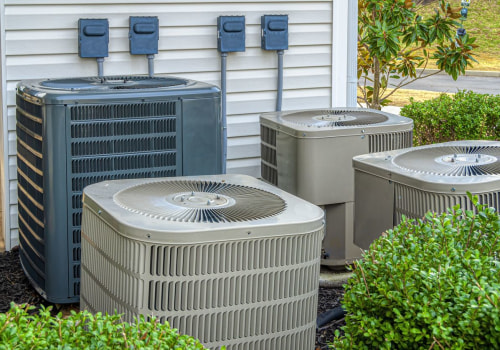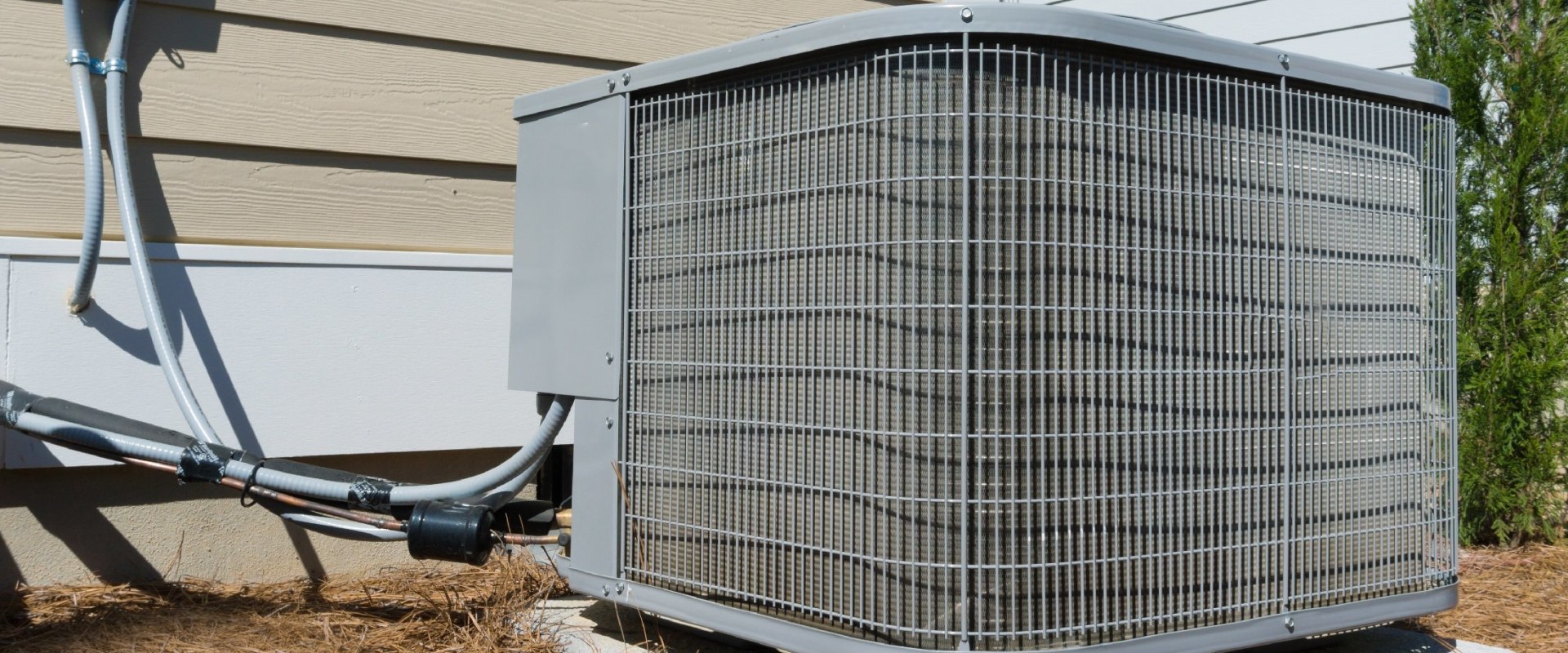
Understanding your air conditioning system is essential for effective maintenance and troubleshooting. An air conditioning unit is a complex system designed to regulate indoor temperatures, ensuring comfort during the sweltering summer months. At its core, an AC unit operates on the principles of thermodynamics, utilizing a refrigerant to absorb heat from the indoor air and expel it outside. This process not only cools the air but also helps to dehumidify your living space, creating a more pleasant environment. To grasp how your AC works, it's important to familiarize yourself with its main components.
The compressor is often considered the heart of the system; it circulates the refrigerant through the system and compresses it into a high-pressure gas. Next, the condenser coil releases heat from the refrigerant as it transitions back into a liquid state. The evaporator coil , located inside your home, absorbs heat from the indoor air, allowing the refrigerant to evaporate and cool the air that is then circulated throughout your space by the blower fan .Additionally, understanding the role of the expansion valve is crucial. This component regulates the flow of refrigerant into the evaporator coil, ensuring that it operates efficiently.
Each part of your AC unit plays a vital role in maintaining optimal performance, and neglecting any one of them can lead to inefficiencies or breakdowns. By learning about these components and how they interact, homeowners can better appreciate their air conditioning systems and take proactive steps in their maintenance.
The Importance of Regular Maintenance
Regular maintenance of your air conditioning unit is not just a good practice; it is essential for ensuring optimal performance and longevity. By committing to a routine maintenance schedule, homeowners can significantly reduce the likelihood of unexpected breakdowns and costly repairs. Here are some key reasons why maintaining your AC unit is crucial:- Prevention of Major Issues: Regular servicing allows technicians to identify and address minor problems before they escalate into major failures.
For instance, a small refrigerant leak can be detected and repaired during a routine check, preventing the need for a complete system overhaul later.
- Improved Efficiency: An AC unit that is well-maintained operates more efficiently. Clean filters, coils, and ducts ensure that the system does not have to work harder than necessary to cool your home. This efficiency translates into lower energy bills, which can be a significant saving over time.
- Extended Lifespan: Just like any other appliance, regular maintenance can extend the lifespan of your air conditioning unit. A well-cared-for system can last 15 years or more, while neglecting maintenance can shorten its life significantly.
- Enhanced Air Quality: Regular maintenance includes cleaning or replacing filters, which helps improve indoor air quality.
A clean system reduces the circulation of dust, allergens, and pollutants, creating a healthier living environment for you and your family.
- Warranty Compliance: Many manufacturers require regular maintenance as a condition of their warranty. Failing to adhere to these guidelines could void your warranty, leaving you responsible for any repairs or replacements that may arise.
Key Maintenance Tasks for Your AC Unit
Maintaining your air conditioning unit is crucial for ensuring its longevity and efficiency.Regular upkeep can prevent costly repairs and keep your home comfortable during the hottest months. Here are some essential maintenance tasks that every homeowner should perform:
- Change the Air Filter: One of the simplest yet most effective maintenance tasks is changing the air filter. A clogged or dirty filter restricts airflow, making your AC work harder and less efficiently. Aim to check your filter monthly and replace it every 1-3 months, depending on usage and the type of filter.
- Clean the Coils: The evaporator and condenser coils can accumulate dirt over time, which reduces their ability to absorb and release heat.
Cleaning these coils at least once a year can significantly improve your AC's efficiency. You can gently brush off any debris or use a specialized coil cleaner for a more thorough job.
- Inspect the Drain Line: A clogged drain line can lead to water damage and increased humidity levels in your home. Regularly check the drain line for blockages and clear it using a wet/dry vacuum or a plumber's snake if necessary. This will help maintain proper drainage and prevent mold growth.
- Check Refrigerant Levels: Low refrigerant levels can indicate a leak, which not only affects cooling efficiency but can also harm the environment.
If you suspect low refrigerant, contact a professional technician to inspect and recharge your system as needed.
- Examine Ductwork: Leaky ducts can lead to significant energy loss, making your AC work harder than necessary. Inspect your ductwork for any visible signs of wear or damage, and consider sealing any leaks with duct tape or mastic sealant.
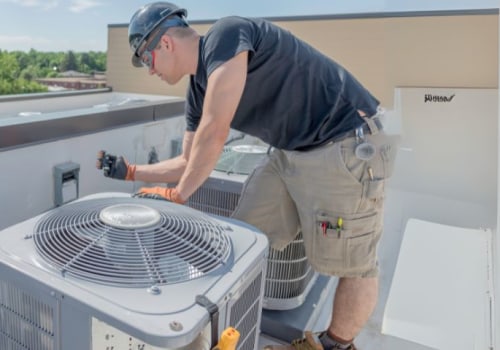
- Schedule Professional Maintenance: While there are many tasks you can handle yourself, scheduling an annual professional maintenance visit is essential. A qualified HVAC technician can perform a comprehensive inspection, clean critical components, and identify potential issues before they become major problems.
How to Change Your Air Filter Properly
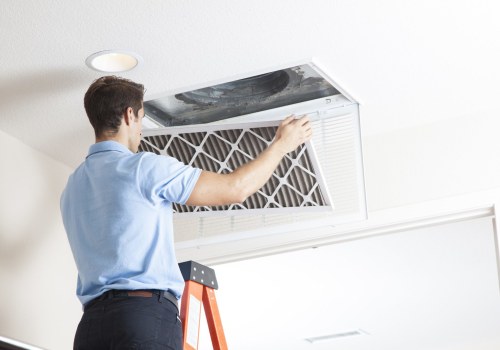
Changing your air filter is a crucial part of maintaining your air conditioning system.A clean filter not only improves the air quality in your home but also enhances the efficiency of your AC unit. Here’s a detailed guide on how to change your air filter properly.
Step 1: Gather Your Supplies
- New air filter (make sure it matches the size and type of your current filter)
- Screwdriver (if necessary for accessing the filter compartment)
- Vacuum cleaner or damp cloth (for cleaning the area around the filter)
Step 2: Turn Off Your AC Unit
Before you begin, ensure that your air conditioning unit is turned off. This is important for safety and to prevent any damage to the system while you are changing the filter.
Step 3: Locate the Air Filter
The air filter is typically located in one of two places: either in the return air duct or directly in the AC unit itself. If you’re unsure where to find it, consult your owner’s manual for specific instructions.
Step 4: Remove the Old Filter
Carefully slide out the old filter from its slot.
Take note of how it is positioned, as you will need to install the new filter in the same orientation. If there is dust or debris around the area, use a vacuum cleaner or a damp cloth to clean it up before inserting the new filter.
Step 5: Install the New Filter
Take your new air filter and slide it into place, ensuring that it fits snugly and securely. Pay attention to any arrows on the filter that indicate airflow direction; these should point towards the AC unit.
Step 6: Turn Your AC Unit Back On
Once the new filter is installed, turn your AC unit back on. Check to ensure that it is functioning properly and that there are no unusual noises or issues.
The Importance of Clean Filters
Regularly changing your air filter is essential for several reasons:
- Improved Air Quality: A clean filter traps dust, pollen, and other allergens, ensuring that only clean air circulates through your home.
- Enhanced Efficiency: A clogged filter restricts airflow, making your AC work harder and consume more energy.
This can lead to higher utility bills and increased wear on your system.
- Extended Lifespan: Regular maintenance, including changing filters, can prolong the life of your AC unit by preventing strain on its components.
Signs Your AC Unit Needs Repair
Recognizing the signs that your air conditioning unit requires repair is crucial for maintaining a comfortable home environment and avoiding costly breakdowns. Here are some common indicators that your AC may need professional attention:- Inconsistent Cooling: If certain rooms in your home are warmer than others, it could indicate a problem with your AC unit. Uneven cooling can result from duct issues, low refrigerant levels, or a malfunctioning thermostat.
- Strange Noises: Unusual sounds such as grinding, squealing, or banging can signal mechanical issues within the unit. These noises often indicate that components are wearing out or that there is debris obstructing the system.
- Unpleasant Odors: A musty or burning smell coming from your AC can be a sign of mold growth or electrical problems.
Mold can affect indoor air quality, while burning smells may indicate overheating components that require immediate attention.
- Increased Energy Bills: If you notice a sudden spike in your energy costs without a corresponding increase in usage, it may be due to an inefficient AC unit. This inefficiency can stem from dirty filters, low refrigerant levels, or failing components.
- Frequent Cycling: If your air conditioner turns on and off frequently, it may be short cycling. This can lead to increased wear and tear on the system and is often caused by an oversized unit or thermostat issues.
- Water Leaks: Puddles of water around your AC unit can indicate a clogged drain line or a refrigerant leak. Both issues require prompt attention to prevent water damage and further complications.
Early intervention can prevent minor issues from escalating into major repairs, saving you time and money in the long run. Regular maintenance checks can also help identify potential problems before they become serious, ensuring your air conditioning system operates efficiently throughout the hot months.
Energy Efficiency Tips for Your Air Conditioner
Improving the energy efficiency of your air conditioning unit is not only beneficial for your wallet but also for the environment. Here are some effective tips to help you save energy while keeping your home cool and comfortable.- Regular Maintenance: Schedule annual maintenance checks with a qualified HVAC technician. Regular servicing ensures that your AC unit operates efficiently, identifying potential issues before they escalate into costly repairs.
- Optimize Thermostat Settings: Set your thermostat to a higher temperature when you are away from home.
A programmable or smart thermostat can automatically adjust the temperature based on your schedule, reducing energy consumption without sacrificing comfort.
- Seal Ducts and Insulate: Ensure that your ductwork is properly sealed and insulated. Leaky ducts can lead to significant energy loss, forcing your AC unit to work harder. Use mastic sealant or metal tape to seal any gaps and consider adding insulation to improve efficiency.
- Use Ceiling Fans: Ceiling fans can help circulate cool air throughout your home, allowing you to raise the thermostat setting by a few degrees without feeling uncomfortable. This simple addition can significantly reduce the workload on your AC unit.
- Close Blinds and Curtains: During the hottest parts of the day, close blinds or curtains to block out direct sunlight.
This helps keep indoor temperatures lower, reducing the need for excessive cooling.
- Upgrade to Energy-Efficient Models: If your air conditioning unit is over ten years old, consider upgrading to a newer, energy-efficient model. Look for units with a high SEER (Seasonal Energy Efficiency Ratio) rating, which indicates better energy performance.
- Maintain Proper Airflow: Ensure that vents and registers are not blocked by furniture or other obstructions. Proper airflow is crucial for efficient cooling; blocked vents can cause your system to work harder than necessary.
Frequently Asked Questions About AC Maintenance and Repair
When it comes to maintaining your air conditioning unit, many homeowners have questions that arise from their experiences or concerns.Below are some of the most frequently asked questions regarding AC maintenance and repair, along with clear answers to help you better understand your system.
1.How often should I have my AC unit serviced?
It is generally recommended to have your air conditioning system serviced at least once a year, ideally in the spring before the cooling season begins. Regular maintenance helps identify potential issues early and ensures that your unit operates efficiently throughout the summer months.2.What are the signs that my AC needs repair?
- Unusual noises: If you hear grinding, squealing, or banging sounds, it may indicate a mechanical issue.
- Inconsistent temperatures: If some rooms are cooler than others or if the temperature fluctuates significantly, it could be a sign of airflow problems.
- Increased energy bills: A sudden spike in your energy costs may suggest that your AC is working harder than it should due to inefficiencies.
- Foul odors: Unpleasant smells can indicate mold growth or electrical issues that require immediate attention.
3.Can I perform maintenance on my AC unit myself?
While there are some basic maintenance tasks you can do yourself, such as changing the air filter and cleaning the area around the outdoor unit, it is advisable to leave more complex tasks to professionals. A trained technician can perform thorough inspections and repairs that ensure your system runs optimally.4.How do I know if my refrigerant levels are low?
If your AC is blowing warm air or if you notice ice forming on the evaporator coils, these could be signs of low refrigerant levels. It’s crucial to contact a professional technician to check for leaks and recharge the system as needed.5.What should I do if my AC unit is leaking water?
A leaking AC unit can indicate a clogged drain line or a problem with the condensate pump.First, turn off the unit to prevent water damage and then check for any visible blockages. If you cannot resolve the issue quickly, it’s best to call a professional for assistance.By addressing these common questions and concerns about air conditioner repair, you can take proactive steps in maintaining your system and ensuring its longevity. Regular maintenance not only enhances performance but also saves you money in the long run by preventing costly repairs.
Conclusion: Keeping Your Air Conditioner in Top Shape
In conclusion, maintaining your air conditioning unit is essential for ensuring its longevity and efficiency. By following the expert tips outlined in this article, you can significantly reduce the likelihood of costly air conditioner repair needs and enhance the overall performance of your system.Regular maintenance is not just a recommendation; it is a necessity.Here are some key takeaways to keep in mind:
- Change Air Filters Regularly: A clean air filter is crucial for optimal airflow and efficiency. Aim to replace or clean your filters at least once a month, especially during peak usage seasons.
- Schedule Professional Inspections: Having a qualified HVAC technician inspect your unit at least once a year can help identify potential issues before they escalate into major problems.
- Monitor Refrigerant Levels: Ensure that your AC unit has the correct amount of refrigerant. Low levels can indicate leaks that need immediate attention from a professional.
- Keep the Outdoor Unit Clear: Regularly check the area around your outdoor condenser unit. Remove any debris, leaves, or obstructions that could hinder airflow and efficiency.
- Seal Ducts Properly: If you have a central air system, ensure that your ducts are sealed and insulated properly to prevent energy loss.
Remember, neglecting maintenance can lead to more significant issues down the line, resulting in expensive repairs or even premature replacement of your system.Ultimately, investing time and effort into maintaining your air conditioner will pay off in comfort and cost savings. Don’t wait for problems to arise; take charge of your AC maintenance today!.