Understanding the intricacies of your HVAC system is crucial for maintaining a comfortable indoor environment, especially during extreme weather conditions. Air conditioner repair is often necessary when common HVAC problems arise, and being aware of these issues can save you time, money, and frustration. Many homeowners overlook the signs of malfunctioning systems until it’s too late, leading to costly repairs or even complete system replacements. By familiarizing yourself with the most frequent HVAC problems, you can take proactive measures to ensure your system operates efficiently.Common HVAC issues can range from minor inconveniences to major malfunctions that disrupt your daily life.
For instance, a simple dirty air filter can lead to reduced airflow and increased energy bills, while more complex problems like refrigerant leaks may require professional intervention. Understanding these challenges not only empowers you as a homeowner but also enhances your ability to communicate effectively with HVAC professionals when repairs are needed.In this article, we will delve into the most prevalent HVAC problems and provide expert solutions for each. From identifying symptoms to implementing fixes, our goal is to equip you with the knowledge necessary for effective air conditioner repair. Whether you’re dealing with an inefficient system or a faulty thermostat, recognizing these issues early on can lead to timely repairs and improved system longevity.
Join us as we explore these common HVAC challenges and discover how to tackle them head-on.
Understanding Your HVAC System
To effectively troubleshoot and maintain your HVAC system, it is essential to have a solid understanding of its components and how they work together. An HVAC system, which stands for Heating, Ventilation, and Air Conditioning, is designed to provide thermal comfort and acceptable indoor air quality.Key Components of an HVAC System
- Heating Unit: This can be a furnace or a heat pump that generates heat to warm your home. Furnaces typically use gas or electricity, while heat pumps can both heat and cool by transferring heat from one place to another.
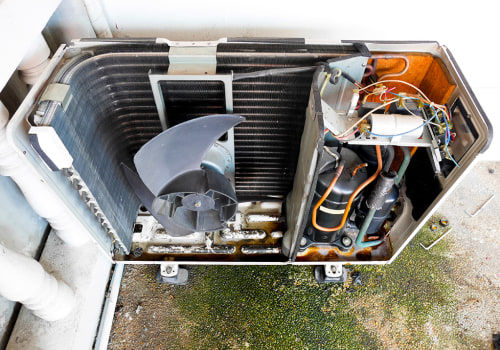
- Cooling Unit: The air conditioning unit is responsible for cooling the air in your home. It works by removing heat from the indoor air and transferring it outside, usually through a refrigerant cycle.
- Ventilation System: This component ensures that fresh air circulates throughout your home.
It includes ductwork that distributes conditioned air and exhausts stale air outside.
- Thermostat: The thermostat acts as the control center for your HVAC system. It allows you to set your desired temperature and communicates with the heating and cooling units to maintain that temperature.
- Air Filters: These filters trap dust, allergens, and other particles from the air before it enters the HVAC system. Regularly changing or cleaning these filters is crucial for maintaining efficiency and air quality.
How HVAC Systems Work
The operation of an HVAC system can be broken down into several key processes:
- Heating Process: In winter, when the thermostat detects a drop in temperature, it signals the heating unit to turn on. The furnace or heat pump generates heat, which is then distributed through the ductwork into various rooms.
- Cooling Process: During warmer months, the thermostat triggers the air conditioning unit when indoor temperatures rise above the set point.
The AC unit absorbs heat from inside your home and releases it outside, cooling the indoor air.
- Ventilation Process: Throughout both heating and cooling cycles, the ventilation system ensures that fresh outdoor air is brought in while stale indoor air is expelled. This process helps maintain good indoor air quality.
Dirty Air Filters: The Silent Saboteur
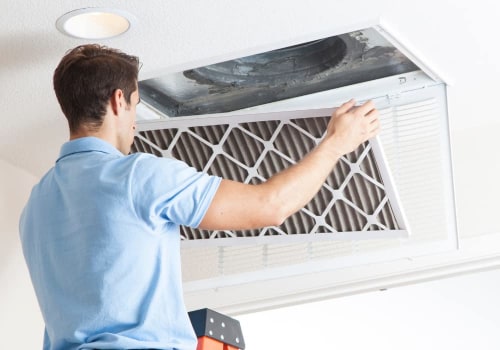
One of the most overlooked yet critical components of your HVAC system is the air filter. Often referred to as the silent saboteur, a dirty air filter can significantly hinder the performance of your heating and cooling systems.Understanding the symptoms of a clogged filter, how to replace it, and the importance of regular maintenance can help you maintain optimal air quality and system efficiency.
Symptoms of a Clogged Air Filter
- Reduced Airflow: If you notice that your HVAC system is struggling to push air through the vents, it may be due to a clogged filter. This restriction can lead to uneven temperatures throughout your home.
- Increased Energy Bills: A dirty filter forces your system to work harder, leading to higher energy consumption and increased utility bills.
- Frequent System Cycling: If your air conditioner or heater turns on and off more frequently than usual, it could be a sign that the airflow is restricted due to a dirty filter.
- Poor Indoor Air Quality: A clogged filter can allow dust, allergens, and other pollutants to circulate in your home, negatively impacting your indoor air quality.
How to Replace Your Air Filter
Replacing your air filter is a straightforward process that can be done in just a few steps:
- Turn Off Your HVAC System: Before you begin, ensure that your heating or cooling system is turned off to prevent any accidents.
- Locate the Filter: The air filter is typically found near the return air duct or blower compartment. Consult your system's manual if you're unsure where to find it.
- Remove the Old Filter: Carefully slide out the old filter. Take note of its orientation, as new filters should be installed in the same direction.
- Insert the New Filter: Place the new filter into the slot, ensuring it fits snugly and follows the airflow direction indicated on the filter frame.
- Turn Your System Back On: Once the new filter is in place, turn your HVAC system back on and check for proper airflow.
The Importance of Regular Maintenance
Regularly replacing your air filter is essential not only for maintaining efficient HVAC operation but also for ensuring good indoor air quality.
A clean filter traps dust, pollen, and other airborne particles, helping to create a healthier living environment. It’s recommended to check your filters monthly and replace them every 1-3 months, depending on usage and environmental factors. By prioritizing this simple maintenance task, you can extend the lifespan of your HVAC system and enjoy cleaner air in your home.
Thermostat Troubles: Diagnosing and Fixing Issues
The thermostat is a critical component of your HVAC system, acting as the control center for regulating temperature and ensuring comfort in your home. However, like any device, thermostats can experience issues that may hinder their performance.Understanding how to diagnose and fix these problems can save you time, money, and discomfort.
Common Symptoms of a Faulty Thermostat
Identifying a malfunctioning thermostat is the first step toward resolving HVAC issues. Here are some common symptoms:- Inconsistent Temperatures: If you notice that certain rooms are too hot or too cold, your thermostat may not be accurately reading the temperature.
- System Won't Turn On or Off: A thermostat that fails to trigger the HVAC system can lead to prolonged discomfort.
- Unresponsive Controls: If the display is blank or unresponsive, it may indicate a power issue or internal failure.
- Short Cycling: If your system frequently turns on and off, it could be due to incorrect temperature readings from the thermostat.
Troubleshooting Your Thermostat
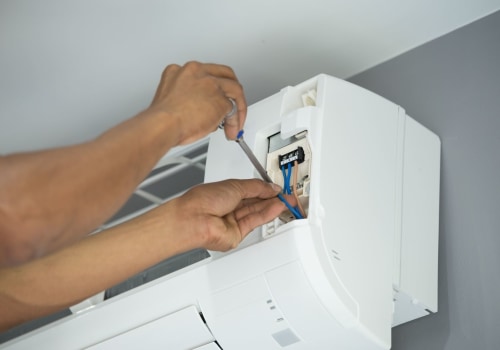
If you suspect your thermostat is malfunctioning, follow these troubleshooting steps:- Check the Power Supply: Ensure that the thermostat has power. If it’s battery-operated, replace the batteries. For wired models, check the circuit breaker.
- Inspect Wiring Connections: Loose or damaged wires can disrupt communication between the thermostat and HVAC system.
Turn off power before inspecting.
- Calibrate the Thermostat: Some thermostats require calibration to ensure accurate readings. Refer to the manufacturer’s instructions for guidance.
- Clean the Thermostat: Dust and debris can interfere with sensors. Gently clean the unit with a soft brush or cloth.
When to Replace Your Thermostat
If troubleshooting does not resolve the issues, it may be time to consider thermostat replacement. Here are some indicators that replacement is necessary:- Aged Unit: If your thermostat is over ten years old, it may lack modern features and efficiency.
- Frequent Repairs: If you find yourself repeatedly fixing your thermostat, investing in a new one could be more cost-effective.
- Lack of Smart Features: Upgrading to a smart thermostat can enhance energy efficiency and provide remote control capabilities.
By understanding how to diagnose issues and knowing when to replace your unit, you can maintain a comfortable living environment year-round.
Refrigerant Leaks: Identifying and Repairing Them
Refrigerant leaks are a significant concern for any air conditioning system. Refrigerant is the fluid responsible for absorbing heat from your home and releasing it outside, making it essential for effective cooling. When there is a leak, the system cannot maintain the necessary pressure to function properly, leading to decreased efficiency and increased energy costs.Identifying Signs of Refrigerant Leaks
- Reduced Cooling Efficiency: One of the first signs of a refrigerant leak is a noticeable drop in cooling performance. If your air conditioner is running but not effectively cooling your space, it may be due to low refrigerant levels.
- Ice Buildup: Another indicator is ice forming on the evaporator coils or refrigerant lines.
This occurs because low refrigerant levels can cause the coils to become too cold, leading to condensation and ice formation.
- Unusual Hissing or Bubbling Sounds: If you hear hissing or bubbling noises coming from your air conditioning unit, it could indicate that refrigerant is escaping from a leak.
- Increased Energy Bills: A sudden spike in your energy bills without any change in usage patterns can also suggest that your air conditioner is working harder due to insufficient refrigerant.
The Importance of Professional Repair
If you suspect a refrigerant leak, it is crucial to contact a professional HVAC technician. Attempting to repair refrigerant leaks on your own can be dangerous and may violate local regulations regarding refrigerant handling. Professionals have the necessary tools and expertise to locate and repair leaks safely.During a professional repair, the technician will:
- Conduct a thorough inspection of the system to identify the source of the leak.
- Repair or replace any damaged components that may be causing the leak.
- Recharge the system with the appropriate amount of refrigerant, ensuring optimal performance.
Implications of Low Refrigerant Levels
Operating an air conditioning system with low refrigerant levels not only affects cooling efficiency but can also lead to more severe issues over time. Continuous operation under these conditions can cause compressor failure, which is one of the most expensive components to replace.
Therefore, addressing refrigerant leaks promptly is essential for maintaining both comfort and system longevity.In summary, being vigilant about signs of refrigerant leaks and seeking professional help when needed can save you from costly repairs and ensure your air conditioning system operates efficiently.
The Challenges of Older HVAC Systems
As HVAC systems age, they often face a myriad of challenges that can significantly impact their performance and efficiency. Understanding these challenges is crucial for homeowners and business owners alike, as it can help them make informed decisions about maintenance and potential upgrades.One of the primary issues with older HVAC systems is their decreased efficiency. Over time, components wear out, and the system may struggle to maintain the desired temperature. This inefficiency not only leads to discomfort but also results in higher energy bills.According to the U. S. Department of Energy, older systems can lose up to 30% of their efficiency compared to newer models. This means that while you may be paying for the same level of heating or cooling, you are receiving significantly less value for your money.Another challenge is the increased likelihood of breakdowns.
As systems age, parts such as compressors, fans, and motors can fail more frequently. This not only leads to unexpected repair costs but can also leave you without heating or cooling when you need it most. Regular maintenance can mitigate some of these issues, but it cannot completely eliminate the risk of failure in an aging system.When considering whether to upgrade an older HVAC system, several factors come into play:
- Age: If your system is over 10-15 years old, it may be time to consider a replacement. Newer models are designed with advanced technology that enhances efficiency and performance.
- Repair Costs: If you find yourself spending more on repairs than on a new system, it’s a clear sign that an upgrade may be necessary.
- Energy Efficiency Ratings: New HVAC systems come with higher SEER (Seasonal Energy Efficiency Ratio) ratings, which can lead to significant savings on energy bills.
Many newer models are equipped with smart technology that allows for better control and monitoring of energy use, further enhancing efficiency.In conclusion, while older HVAC systems may still function adequately for a time, they present numerous challenges that can affect both comfort and cost-efficiency. By recognizing the signs of inefficiency and potential breakdowns, homeowners can make proactive decisions about upgrading their systems to ensure optimal performance and savings in the long run.
HVAC Zoning Problems: Ensuring Comfort in Every Room
HVAC zoning systems are designed to provide tailored heating and cooling solutions for different areas of your home, ensuring that every room maintains a comfortable temperature. However, several common issues can arise within these systems, leading to uneven temperatures and discomfort. Understanding these problems and their solutions is essential for maintaining a cozy environment throughout your living space.Common HVAC Zoning Issues
- Improperly Sized Ductwork: If the ductwork is not appropriately sized for the zones it serves, some areas may receive too much or too little airflow.
This can lead to hot or cold spots in your home.
- Faulty Dampers: Dampers control the flow of air into different zones. If they are stuck or malfunctioning, they can prevent air from reaching certain areas, resulting in uneven heating or cooling.
- Thermostat Placement: The location of thermostats can significantly impact temperature readings. If a thermostat is placed in a drafty area or near a heat source, it may not accurately reflect the temperature of the zone it controls.
- Insulation Issues: Poor insulation in certain rooms can lead to significant temperature discrepancies. If some areas are not well-insulated, they may lose heat or cool air more quickly than others.
Solutions for Fixing Zoning Problems
- Assess Ductwork: Have a professional evaluate your ductwork to ensure it is correctly sized and sealed.
Properly sized ducts will help distribute air evenly across all zones.
- Check Dampers: Inspect dampers for any signs of damage or malfunction. If necessary, replace faulty dampers to restore proper airflow to each zone.
- Relocate Thermostats: Consider relocating thermostats to more central locations within each zone. This will help ensure that they accurately measure the temperature and adjust accordingly.
- Improve Insulation: Enhance insulation in poorly performing areas to minimize heat loss or gain. This will help maintain consistent temperatures across your home.
Regular maintenance and timely repairs will ensure that your zoning system operates efficiently, providing you with the ideal indoor climate year-round.
Inefficient Systems: Signs and Solutions
Recognizing the signs of an inefficient HVAC system is crucial for maintaining comfort in your home and minimizing energy costs. An inefficient system not only struggles to maintain the desired temperature but also leads to increased energy consumption, resulting in higher utility bills. Here are some common indicators that your HVAC system may be underperforming:- Inconsistent Temperatures: If certain rooms in your home are significantly warmer or cooler than others, it may indicate that your HVAC system is not distributing air evenly.
- High Energy Bills: A sudden spike in your energy bills without a corresponding increase in usage can signal that your HVAC system is working harder than it should.
- Noisy Operation: Unusual sounds such as banging, clanking, or hissing can indicate mechanical issues or airflow problems that need immediate attention.
- Frequent Cycling: If your system turns on and off more frequently than normal, it may be struggling to maintain the set temperature, which can lead to wear and tear.
- Humidity Issues: An HVAC system should effectively manage humidity levels. If you notice excessive moisture or dryness in your home, it could be a sign of inefficiency.
- Regular Maintenance: Schedule annual inspections with a qualified HVAC technician.
Regular maintenance can identify potential problems before they escalate and ensure that your system operates at peak efficiency.
- Clean or Replace Filters: Clogged air filters restrict airflow and force your system to work harder. Check and replace filters every 1-3 months to maintain optimal performance.
- Seal Ductwork: Leaky ducts can lead to significant energy loss. Inspect and seal any leaks in your ductwork to improve airflow and efficiency.
- Upgrade Thermostat: Consider installing a programmable or smart thermostat that can optimize heating and cooling schedules based on your lifestyle, reducing unnecessary energy use.
- Insulation Improvements: Ensure that your home is properly insulated. Poor insulation can lead to heat loss in winter and heat gain in summer, forcing your HVAC system to work harder.
Preventative Maintenance: Keeping Your HVAC System Healthy
Maintaining your HVAC system is crucial for ensuring its longevity and efficiency.Preventative maintenance not only helps in avoiding costly repairs but also enhances the overall performance of your heating and cooling systems. Here are some essential tips for keeping your HVAC system in top shape.
Regular Filter Changes
One of the simplest yet most effective maintenance tasks is changing your air filters regularly. Clogged filters can restrict airflow, leading to increased energy consumption and potential system failures. It is recommended to check your filters monthly and replace them every 1-3 months, depending on usage and the type of filter.Seasonal Inspections
Scheduling seasonal inspections with a qualified HVAC technician can help identify potential issues before they escalate.Ideally, you should have your system checked:
- Before summer: Ensure your air conditioning unit is ready for the heat by checking refrigerant levels, cleaning coils, and inspecting electrical components.
- Before winter: Prepare your heating system by checking the furnace, inspecting ductwork for leaks, and ensuring proper thermostat functionality.
Clean the Outdoor Unit
Your outdoor unit is exposed to various elements that can lead to dirt and debris accumulation. Regularly clean the area around the unit, removing leaves, grass clippings, and other obstructions. Additionally, gently rinse the fins with a garden hose to remove dust buildup.Check Thermostat Settings
A well-functioning thermostat is vital for maintaining comfortable indoor temperatures. Regularly check that it is set correctly and consider upgrading to a programmable or smart thermostat for improved efficiency.Inspect Ductwork
Leaky ducts can significantly reduce your HVAC system's efficiency.Inspect visible ductwork for signs of wear or damage, and consider having a professional perform a thorough duct inspection if you notice uneven heating or cooling in your home.By implementing these HVAC maintenance tips, you can ensure that your system operates efficiently throughout the year. Regular care not only prevents common problems but also extends the lifespan of your equipment, ultimately saving you money on energy bills and repairs.
<strong>Conclusion</strong>: Key Takeaways for Effective Air Conditioner Repair
In conclusion, understanding the most common HVAC problems and their solutions is essential for maintaining a comfortable and efficient home environment. Here are the key takeaways to keep in mind when it comes to air conditioner repair and overall HVAC maintenance:- Regular Maintenance is Crucial: One of the best ways to prevent HVAC issues is through regular maintenance. Schedule annual inspections with a qualified technician to ensure your system is running efficiently.
This proactive approach can help identify potential problems before they escalate into costly repairs.
- Stay Vigilant About Air Filters: A clean air filter is vital for optimal airflow and system efficiency. Check your air filters monthly and replace them as needed, typically every 1-3 months, depending on usage and filter type. This simple task can significantly enhance your air conditioner's performance.
- Know Your Thermostat: The thermostat is the brain of your HVAC system. Ensure it is functioning correctly and consider upgrading to a smart thermostat for better control over your home's temperature.
A malfunctioning thermostat can lead to inefficient heating or cooling, resulting in higher energy bills.
- Address Refrigerant Issues Promptly: If you suspect a refrigerant leak, do not delay in contacting a professional. Low refrigerant levels can lead to inadequate cooling and may cause further damage to your system if not addressed quickly.
- Consider System Age: If your HVAC system is over ten years old, it may be time to evaluate its efficiency. Older systems often require more frequent repairs and may not meet current energy efficiency standards. Investing in a new system could save you money in the long run.
- Understand Zoning Systems: If you have an HVAC zoning system, ensure it is functioning correctly to avoid uneven temperatures throughout your home.
Proper zoning can enhance comfort and reduce energy consumption.