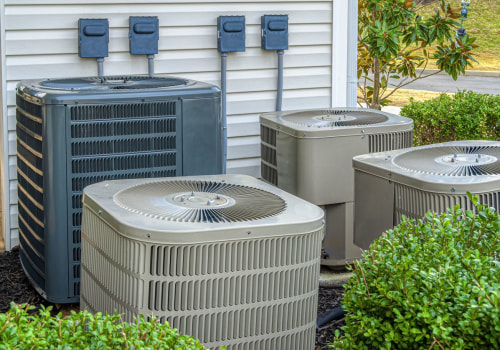
Air conditioning units are essential for maintaining a comfortable indoor environment, especially during the sweltering summer months. However, like any mechanical system, they are prone to a variety of issues that can hinder their performance. Understanding these common air conditioner issues is crucial for homeowners who want to troubleshoot effectively and minimize downtime. By familiarizing yourself with the typical problems that can arise, you can save time and potentially avoid costly repairs. One of the most frequent complaints among homeowners is inadequate cooling.
This issue can stem from several factors, including a dirty air filter, low refrigerant levels, or even a malfunctioning thermostat. Each of these problems can significantly impact your unit's ability to cool your home efficiently. Additionally, strange noises or unpleasant odors emanating from your AC can indicate underlying issues that require immediate attention. Recognizing these symptoms early on can help you address them before they escalate into more severe complications. Another common concern is the presence of water leaks around the unit.
These leaks can result from clogged condensate drains or damaged components within the system. Not only do they pose a risk to your air conditioner’s functionality, but they can also lead to water damage in your home if left unchecked. Understanding these potential pitfalls allows you to take proactive measures and maintain your air conditioning system in optimal condition. In summary, being aware of the common AC problems that can arise is the first step toward effective troubleshooting and repair. By recognizing the signs of trouble early and understanding their implications, you empower yourself to take action before minor issues develop into major headaches.
In the following sections, we will delve deeper into specific troubleshooting tips that can help you address these challenges head-on.
Step-by-Step Troubleshooting Guide
Troubleshooting your air conditioner can seem daunting, but with a systematic approach, you can identify and potentially resolve many common issues. Here’s a step-by-step guide to help you through the process.- Check the Power SupplyBefore diving into more complex troubleshooting, ensure that your air conditioner is receiving power. Check the following:
- Inspect the circuit breaker for any tripped switches. If you find one, reset it and see if the AC starts working.
- Examine the power cord for any visible damage or disconnections.
- If your unit is plugged into an outlet, ensure that the outlet is functioning by testing it with another device.
- Inspect the Thermostat SettingsA misconfigured thermostat can lead to cooling issues.
Follow these steps:
- Ensure that the thermostat is set to "cool" mode.
- Check that the temperature setting is lower than the current room temperature.
- If your thermostat is programmable, verify that it hasn’t been set to a schedule that prevents cooling during certain hours.
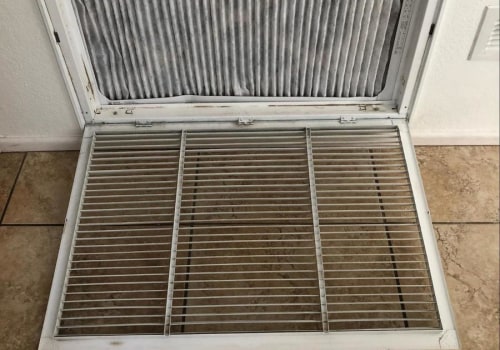
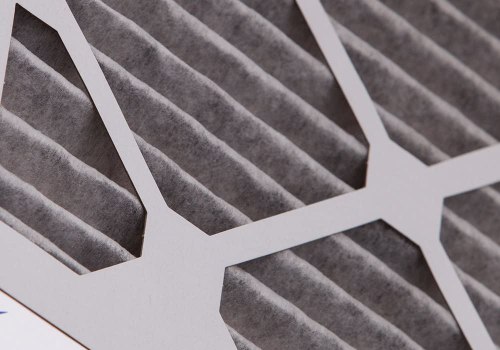
- Examine the Air FilterA dirty air filter can significantly hinder your AC's performance. To address this:
- Locate your air filter, usually found in the return air duct or near the furnace.
- If it appears clogged with dust and debris, replace it with a new one or clean it if it's reusable.
- Make it a habit to check and replace or clean your air filter every 1-3 months to maintain optimal airflow.
- Inspect the Condensate DrainA blocked condensate drain can cause water damage and affect cooling efficiency. To troubleshoot:
- Locate the drain line and check for any clogs. You can use a wet/dry vacuum to clear minor blockages.
- If you notice standing water around your unit, this could indicate a serious blockage that may require professional assistance.
- Check for Ice BuildupIf you see ice forming on your evaporator coils or refrigerant lines, take these steps:
- Turn off your AC and allow the ice to melt completely before proceeding.
- Once melted, check if the fan is operational.
If not, there may be an issue with the fan motor or capacitor.
- Consider checking refrigerant levels; low refrigerant can lead to freezing issues.
- Listen for Unusual NoisesPeculiar sounds can indicate various problems:
- Banging or clanking noises may suggest loose parts or debris in the fan.
- Squealing sounds could indicate worn-out bearings in the motor.
- If you hear hissing or bubbling sounds, this might point to refrigerant leaks.
Checking the Electrical System
When your air conditioning system fails to operate, one of the first areas to investigate is the electrical system. Many AC issues stem from electrical components, making it essential to understand how to check these systems effectively.Inspecting the Electrical Panel
The electrical panel is the heart of your home's electrical system, distributing power to various appliances, including your air conditioner. Start by locating your electrical panel, which is typically found in a basement, garage, or utility room.
Open the panel door and look for any tripped circuit breakers.
- Identifying Tripped Breakers: A tripped breaker will be in a different position than the others—usually in the middle or off position. If you find one, switch it back to the 'on' position and see if your AC starts functioning again.
- Understanding Circuit Breaker Ratings: Each breaker has a specific rating (measured in amps). If your AC unit frequently trips the breaker, it may indicate an underlying issue such as an overloaded circuit or a malfunctioning component within the AC system.
Checking for Electrical Issues
If resetting the circuit breaker does not resolve the problem, further investigation is necessary. Look for signs of electrical issues:
- Burnt Smell: A burnt odor near the electrical panel or AC unit can indicate damaged wiring or components.
If you detect this smell, turn off the power immediately and consult a professional.
- Loose Connections: Inspect visible wiring for any loose connections or frayed wires. Tightening loose connections can sometimes restore functionality.
Testing Voltage Levels
If you have access to a multimeter and feel comfortable using it, you can test voltage levels at the AC unit. Ensure that power is off before connecting the multimeter leads to the appropriate terminals. A reading that deviates significantly from standard voltage levels (typically 240 volts for most residential AC units) may indicate an electrical issue that requires professional attention.
When to Call a Professional
If you've checked the electrical panel and circuit breakers but still face issues with your air conditioning system, it’s advisable to contact a qualified HVAC technician.
They possess the expertise and tools necessary to diagnose complex electrical problems safely and effectively.In summary, understanding how to check your air conditioner's electrical system can save you time and money. By inspecting the electrical panel and recognizing potential issues early on, you can ensure that your AC remains in optimal working condition.
Thermostat Troubles: Ensuring Proper Settings
The thermostat is a crucial component of your air conditioning system, acting as the control center for regulating indoor temperatures. If your AC is not cooling effectively, the first place to investigate is the thermostat. Here are some essential tips for ensuring that your thermostat settings are optimized for performance.Check the Thermostat Settings
Before diving into more complex troubleshooting, start by verifying that your thermostat is set correctly.Ensure that:
- The thermostat is set to cooling mode. Many thermostats have multiple settings, including heating and cooling. Make sure it’s on the right one.
- The temperature setting is lower than the current room temperature. If it’s set too high, the AC won’t activate.
- The fan setting is appropriate.
If you want continuous airflow, set it to on ; if you prefer it to run only when cooling, set it to auto .
Inspect for Malfunctions
If your settings are correct but the AC still isn’t cooling, there may be a malfunction with the thermostat itself. Here are some signs to look for:- Unresponsive Controls: If adjusting the temperature doesn’t seem to affect the AC, the thermostat may be faulty.
- Inaccurate Readings: If you notice that the displayed temperature doesn’t match the actual room temperature, recalibration may be necessary.
- Battery Issues: For battery-operated thermostats, low batteries can lead to erratic behavior. Replace them if necessary.
Consider Location and Installation
The placement of your thermostat can significantly impact its performance. Ensure that:- The thermostat is not located near heat sources such as lamps or appliances, which can cause inaccurate readings.
- It’s installed in a central location away from direct sunlight or drafts from windows and doors.
- If you have multiple zones in your home, each zone should have its own thermostat for optimal control.
They can provide a thorough inspection and determine if there are underlying issues affecting your system's performance.
Air Filter Maintenance: A Key Component
One of the most critical aspects of maintaining your air conditioning system is ensuring that the air filter is clean and functioning properly. The air filter plays a vital role in promoting efficient airflow and cooling throughout your home. When the filter is clogged with dust, dirt, and other debris, it can significantly hinder your AC's performance, leading to higher energy bills and potential system failures.Cleaning Your Air Filter
- Frequency: It is recommended to check your air filter every month, especially during peak usage seasons. Depending on the type of filter you have, you may need to clean or replace it every 1 to 3 months.
- Cleaning Process: If your filter is reusable, you can clean it by gently vacuuming off the dust or rinsing it with water.
Ensure it is completely dry before reinstalling it. For disposable filters, simply remove the old one and replace it with a new one.
- Visual Inspection: Always inspect the filter for any signs of damage or excessive wear. If you notice any tears or holes, it's time to replace it.
Replacing Your Air Filter
- Selecting the Right Filter: When purchasing a new air filter, ensure that it matches the specifications of your AC unit. Check the size and MERV rating (Minimum Efficiency Reporting Value) to ensure optimal performance.
- Installation: Installing a new filter is straightforward.
Turn off your AC unit, remove the old filter, and slide in the new one, ensuring that it fits snugly in place.
Importance of Air Filter Maintenance
Regular maintenance of your air filter is crucial for several reasons:
- Improved Air Quality: A clean air filter traps allergens and pollutants, ensuring that the air circulating in your home is fresh and healthy.
- Energy Efficiency: A clean filter allows for better airflow, which means your AC doesn't have to work as hard to cool your home. This can lead to lower energy consumption and reduced utility bills.
- Extended Lifespan: Keeping your air filter clean can help prolong the life of your AC unit by reducing strain on its components.
Inspecting the Condensate Drain and Pump
The condensate drain and pump play a crucial role in the effective operation of your air conditioning system. They are responsible for removing excess moisture that is generated during the cooling process.If these components are not functioning properly, it can lead to a range of issues, including water damage, mold growth, and decreased efficiency of your AC unit.
Understanding the Condensate Drain
The condensate drain is a pipe that carries the moisture collected from the evaporator coil away from your air conditioning unit. Over time, this drain can become clogged with dirt, algae, or other debris, which can prevent water from flowing freely. Regular maintenance is essential to ensure that the drain remains clear.Common Issues with the Condensate Pump
The condensate pump is designed to remove water from the drain pan and push it out through the drain line. If the pump fails, it can lead to water pooling in the pan, which may eventually overflow and cause damage.Here are some common issues to look out for:
- Power Supply Problems: Ensure that the pump is receiving power. Check for tripped circuit breakers or blown fuses.
- Clogged Drain Line: A blockage in the drain line can prevent water from being expelled. Regularly inspect and clean the line to avoid this issue.
- Faulty Float Switch: The float switch activates the pump when water levels rise. If it’s stuck or malfunctioning, the pump may not operate correctly.
Cleaning and Maintaining Your Condensate Drain
To keep your condensate drain and pump functioning optimally, consider implementing these maintenance tips:- Regular Inspections: Check your condensate drain and pump at least once a month for any signs of blockage or wear.
- Use Vinegar or Bleach: Pouring a mixture of vinegar or diluted bleach down the drain can help eliminate algae and mold buildup.
- Install a Secondary Drain Pan: This can catch any overflow from the primary pan, providing an extra layer of protection against leaks.
If you encounter persistent problems despite regular maintenance, it may be time to consult a professional for further assistance.
Identifying and Addressing Refrigerant Leaks
Refrigerant leaks are a significant concern for any air conditioning system, as they can severely impact the unit's efficiency and overall performance. Understanding how to identify and address these leaks is crucial for maintaining a comfortable indoor environment.Signs of Refrigerant Leaks
- Inadequate Cooling: One of the most noticeable signs of a refrigerant leak is a decrease in cooling efficiency. If your AC unit is running but not effectively cooling your home, it may be low on refrigerant due to a leak.
- Ice Formation: If you notice ice forming on the evaporator coils or refrigerant lines, this could indicate that the refrigerant levels are too low. The lack of sufficient refrigerant can cause the coils to freeze, leading to further complications.
- Hissing or Bubbling Sounds: Unusual sounds coming from your AC unit, such as hissing or bubbling, can be a sign of refrigerant escaping from a leak.
These sounds should not be ignored, as they often indicate a serious issue.
- Increased Energy Bills: A refrigerant leak can cause your air conditioner to work harder to maintain the desired temperature, leading to higher energy consumption and increased utility bills.
Detecting Refrigerant Leaks
If you suspect a refrigerant leak, it's essential to act quickly. While some homeowners may attempt to locate the source of the leak themselves, it is often best left to professionals who have the right tools and expertise. HVAC technicians typically use specialized equipment such as:
- Electronic Leak Detectors: These devices can detect even small amounts of refrigerant in the air, helping pinpoint the exact location of the leak.
- Dye Testing: Technicians may introduce a fluorescent dye into the refrigerant system. This dye will escape with the leaking refrigerant and can be detected under UV light.
Fixing Refrigerant Leaks
Once a leak has been identified, it is crucial to address it promptly.
Attempting to recharge your AC system with refrigerant without fixing the leak will only lead to further issues down the line. Here are steps typically taken by professionals:
- Locate and Repair the Leak: The technician will first repair any damaged components or connections that are causing the leak.
- Recharge the System: After repairing the leak, they will recharge the system with the appropriate type and amount of refrigerant.
- Test for Proper Functioning: Finally, they will test the system to ensure it is operating efficiently and that no further leaks are present.
Dealing with Ice Buildup on Coils
Experiencing ice buildup on your air conditioner's evaporator coils can be a frustrating issue that not only affects the efficiency of your cooling system but can also lead to more significant problems if left unaddressed. Understanding why this occurs and how to resolve it is crucial for maintaining a well-functioning AC unit.Ice typically forms on the evaporator coils when the temperature of the coils drops below freezing.This can happen for several reasons:
- Insufficient Airflow: One of the most common causes of ice formation is restricted airflow. This can occur due to a dirty or clogged air filter, blocked vents, or issues with the blower fan. When airflow is limited, the coils cannot dissipate heat effectively, leading to a drop in temperature and subsequent ice buildup.
- Low Refrigerant Levels: Refrigerant is essential for absorbing heat from your home. If there is a leak or if the refrigerant levels are low, the pressure in the system drops, causing the evaporator coils to become too cold and freeze.
- Thermostat Issues: A malfunctioning thermostat may not accurately read the temperature, causing the AC to run longer than necessary.
This extended operation can lead to ice forming on the coils.
- Environmental Factors: High humidity levels can also contribute to ice formation. When moisture in the air comes into contact with cold coils, it can freeze, leading to buildup.
- Turn Off Your AC: The first step is to turn off your air conditioning unit. Allowing it to run while it has ice buildup can cause further damage.
- Inspect and Replace Air Filters: Check your air filters for dirt and debris. If they are clogged, replace them with new ones to improve airflow.
- Check Vents and Registers: Ensure that all supply and return vents are open and unobstructed.
Furniture or other objects should not block airflow.
- Examine Refrigerant Levels: If you suspect low refrigerant levels, it’s best to call a professional technician who can safely check for leaks and recharge the system if necessary.
When to Call a Professional Technician
While many air conditioning issues can be resolved through simple troubleshooting, there are certain situations where the expertise of a professional technician is essential. Recognizing these scenarios can save you time, money, and potential damage to your AC unit.1.Persistent Problems
If you've gone through the basic troubleshooting steps—checking the electrical panel, thermostat settings, air filter, and condensate pump—but your AC still isn't functioning properly, it’s time to call in a professional.
Persistent issues often indicate underlying problems that require specialized knowledge and tools to diagnose and repair.
2.Unusual Noises
Strange sounds coming from your air conditioning unit can be a sign of serious issues. If you hear grinding, squealing, or banging noises, it could indicate problems with the motor, fan, or other internal components. Ignoring these sounds can lead to more extensive damage and costly repairs.
3.Refrigerant Leaks
Refrigerant is crucial for your AC's cooling process. If you notice a decrease in cooling efficiency or see signs of refrigerant leaks—such as oily spots around the unit or hissing sounds—it's vital to contact a professional immediately.
Handling refrigerants requires specific training and certification due to environmental regulations.
4.Electrical Issues
Electrical problems can pose safety hazards. If you experience frequent circuit breaker trips or notice burnt wires or connections near your AC unit, do not attempt to fix these issues yourself. A qualified HVAC technician can safely address electrical concerns and ensure your system operates efficiently.
5.Ice Buildup
If you observe ice forming on the evaporator coil or refrigerant lines, this is a clear indication that something is wrong. Ice buildup can result from restricted airflow or low refrigerant levels.
While allowing the ice to melt may provide temporary relief, it’s crucial to have a professional assess the situation to prevent further damage.
6.Age of the Unit
If your air conditioning system is over 10-15 years old and starts showing signs of malfunction, it may be more cost-effective to consult with a professional about replacement options rather than investing in repairs. An expert can help evaluate whether repair or replacement is the best course of action based on the unit's condition and efficiency.In summary, while DIY troubleshooting can resolve many common AC issues, recognizing when to seek professional help is crucial for maintaining your system's longevity and efficiency. If you encounter any of the above signs or persistent problems, don’t hesitate to reach out to a qualified HVAC technician for assistance.
<strong>Conclusion</strong>
In summary, troubleshooting air conditioning problems can often be a straightforward process if you know what to look for. By understanding the common issues that can arise with your AC unit, you can take proactive steps to address them before they escalate into more significant problems.Here are the key points to remember when it comes to air conditioner repair:
- Check the Electrical Panel: Always start by inspecting the electrical panel for tripped breakers or blown fuses. This simple step can save you time and money.
- Thermostat Settings: Ensure that your thermostat is set correctly. A misconfigured thermostat can lead to unnecessary frustration.
- Air Filter Maintenance: Regularly clean or replace your air filter to maintain optimal airflow and efficiency. A clean filter not only improves performance but also extends the lifespan of your unit.
- Inspect the Condensate Pump: Keep an eye on the condensate pump to prevent leaks and drainage issues.
A well-maintained pump is crucial for moisture management.
- Address Leaks Promptly: If you notice any leaks, whether water or refrigerant, address them immediately to avoid further damage and potential safety hazards.
- Indoor Fan Functionality: Check that the indoor fan is operational, as it plays a vital role in circulating cool air throughout your home.
- Ice on Evaporator Coil: If ice forms on the evaporator coil, allow it to melt before troubleshooting further. This could indicate airflow issues or low refrigerant levels.
Taking these proactive steps will not only enhance your comfort but also ensure that your air conditioning system operates efficiently for years to come.