As temperatures rise, the importance of a well-functioning air conditioning system becomes increasingly evident. Homeowners often rely on their AC units to provide a comfortable indoor environment, especially during the sweltering summer months. However, many are unaware of the common issues that can lead to air conditioner malfunctions. Understanding these problems is crucial not only for immediate comfort but also for long-term efficiency and cost savings.One of the most significant challenges faced by homeowners is the unexpected breakdown of their air conditioning systems.
Such malfunctions can stem from a variety of sources, including mechanical failures, electrical issues, or even simple maintenance oversights. By familiarizing themselves with these potential pitfalls, homeowners can take proactive measures to prevent costly repairs and ensure their systems operate smoothly. Regular maintenance and timely repairs are essential components in extending the lifespan of an AC unit.Moreover, recognizing the signs of impending failure can empower homeowners to act before a minor issue escalates into a major problem. For instance, unusual noises, inconsistent cooling, or increased energy bills can all indicate that your air conditioning system is struggling.
Addressing these symptoms early on can save you from the inconvenience and expense of emergency air conditioner repair .In this article, we will delve deeper into the common causes of AC malfunctions and explore effective strategies for prevention. By understanding how to maintain your system properly and recognizing early warning signs, you can enjoy a cool and comfortable home without the stress of unexpected breakdowns.
Common Causes of Air Conditioner Malfunctions
Understanding the common causes of air conditioner malfunctions is essential for homeowners who want to maintain a comfortable living environment. By identifying these issues early, you can take proactive steps to prevent costly repairs and ensure your system operates efficiently.Here are some of the most frequent reasons why air conditioners fail:- Thermostat Issues: The thermostat is the brain of your air conditioning system. If it is malfunctioning due to faulty wiring, dead batteries, or incorrect settings, your AC may not cool your home effectively.
Regularly check and calibrate your thermostat to ensure accurate temperature readings.
- Clogged Air Filters: One of the simplest yet most overlooked maintenance tasks is changing the air filter. A dirty or clogged filter restricts airflow, forcing your AC to work harder and potentially leading to overheating or failure. It’s advisable to replace or clean your filters every 1-3 months, especially during peak usage seasons.
- Refrigerant Leaks: Refrigerant is crucial for cooling your home. If there’s a leak, your system will struggle to maintain the desired temperature.
Low refrigerant levels can also cause compressor damage over time. If you suspect a leak, contact a professional for an inspection and repair.
- Electrical Problems: Air conditioners rely on various electrical components, including capacitors and contactors. Faulty wiring or damaged electrical parts can lead to system failures. Regular inspections by a qualified technician can help identify and rectify these issues before they escalate.
- Drainage Issues: Air conditioners produce condensation that needs to be drained away.
If the drain line becomes clogged, it can lead to water damage and mold growth. Ensure that the drainage system is clear and functioning properly to avoid these complications.
- Compressor Failures: The compressor is one of the most critical components of an AC unit. If it fails, the entire system may stop working. Common causes of compressor failure include electrical issues, overheating, or lack of maintenance.
Regular servicing can help extend the life of your compressor.
- Age of the Unit: As air conditioning systems age, they become less efficient and more prone to breakdowns. If your unit is over 10-15 years old, it may be time to consider a replacement rather than frequent repairs.
Thermostat Issues: The Heart of Your AC System
The thermostat is often referred to as the brain of your air conditioning system, playing a crucial role in maintaining a comfortable indoor environment. When it malfunctions, it can lead to significant cooling issues, leaving you sweltering in the heat.Understanding how thermostat problems can affect your AC's performance is essential for effective air conditioner repair.One common issue with thermostats is inaccurate temperature readings. If your thermostat is not calibrated correctly, it may not reflect the actual temperature in your home. This can cause your AC to run longer than necessary or not turn on at all. To troubleshoot this issue, check if the thermostat is placed away from heat sources such as lamps or direct sunlight, which can skew its readings.Another frequent problem is a malfunctioning sensor.
The sensor detects the temperature and signals the AC unit to turn on or off accordingly. If the sensor is faulty, it may fail to communicate effectively with the AC system, leading to inconsistent cooling. In such cases, consider replacing the sensor or recalibrating the thermostat.Additionally, wiring issues can also contribute to thermostat malfunctions. Loose or damaged wires can disrupt the electrical connection between the thermostat and the AC unit, causing it to behave erratically.
Inspecting the wiring for any visible damage or loose connections can help identify this problem.Regular maintenance of your thermostat is vital for preventing these issues. Here are some tips to keep your thermostat functioning optimally:
- Check batteries: If you have a battery-operated thermostat, replace the batteries at least once a year.
- Clean the unit: Dust and debris can accumulate on the thermostat, affecting its performance. Gently clean it with a soft cloth.
- Schedule professional inspections: Having a technician check your HVAC system annually can help catch potential problems early.
The Importance of Clean Air Filters
One of the most critical components of your air conditioning system is the air filter.A dirty air filter can significantly hinder the performance of your AC unit, leading to reduced efficiency and increased energy costs. When the air filter becomes clogged with dust, dirt, and other particles, it restricts airflow, forcing the system to work harder to circulate air throughout your home.Over time, this added strain can lead to various issues, including overheating and premature wear on essential components like the compressor. In fact, a dirty filter can reduce your system's efficiency by as much as 15%, which not only affects comfort levels but also results in higher utility bills.
Signs That Your Air Filter Needs Replacement
Recognizing when to replace your air filter is crucial for maintaining optimal AC performance. Here are some signs that indicate it’s time for a change:- Reduced Airflow: If you notice weak airflow from your vents, it may be due to a clogged filter.
- Increased Energy Bills: A sudden spike in your energy costs can signal that your AC is working harder than necessary due to a dirty filter.
- Dust Accumulation: If you find dust settling on furniture or surfaces more quickly than usual, it could mean that your filter is not capturing particles effectively.
- Unpleasant Odors: A musty or stale smell coming from your AC can indicate mold or bacteria buildup on a dirty filter.
How Often Should You Replace Your Air Filter?
The frequency of air filter replacement depends on several factors, including the type of filter used, the presence of pets, and overall indoor air quality.As a general guideline:
- Standard Fiberglass Filters: Replace every 30 days.
- Pleated Filters: Replace every 90 days.
- High-Efficiency Filters: These can last up to 6 months but should be checked regularly.
Tips for Maintaining Your Air Filter
To keep your AC running smoothly and efficiently, follow these maintenance tips:- Regular Inspections: Check your air filter monthly to assess its condition and replace it as needed.
- Choose the Right Filter: Invest in high-quality filters that are designed to capture more particles and allergens.
- Simplify Access: Ensure that your filter is easily accessible for quick checks and replacements.
Condenser and Compressor Problems: Key Components Explained
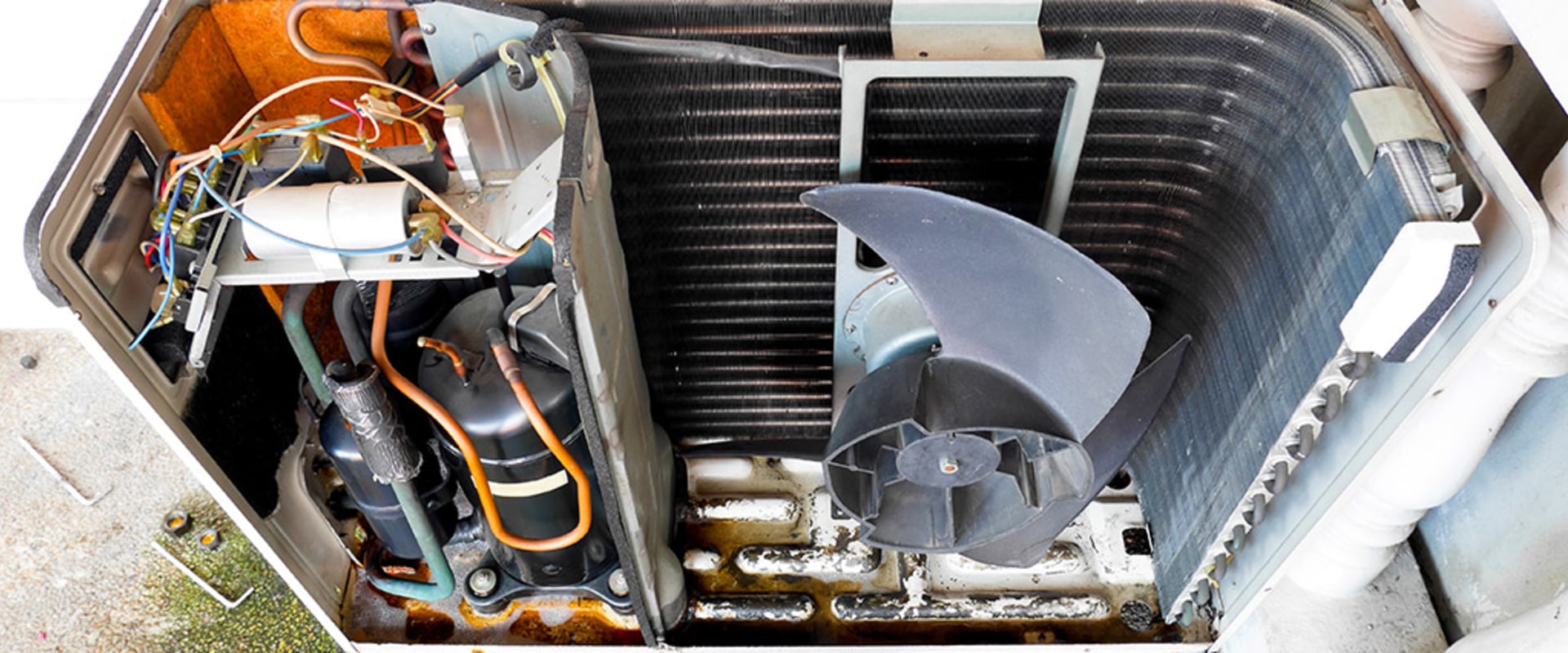
The condenser and compressor are two of the most critical components in an air conditioning system, playing essential roles in the cooling process. Understanding how these parts function and the common issues that can arise with them is vital for any homeowner looking to maintain their AC unit effectively.The compressor acts as the heart of the air conditioning system. Its primary function is to compress the refrigerant gas, raising its pressure and temperature before it moves to the condenser. This process is crucial because it allows the refrigerant to release heat absorbed from your home when it reaches the condenser.If the compressor fails, your AC unit will not be able to cool your home effectively. Common signs of compressor failure include unusual noises, such as clanking or buzzing, and a lack of cool air blowing from the vents.On the other hand, the condenser is responsible for dissipating heat from the refrigerant. Located outside your home, it releases heat into the atmosphere as the refrigerant transitions from a gas back into a liquid state. If there are issues with the condenser, such as blockages from debris or dirt buildup, it can lead to overheating and reduced efficiency.
Homeowners may notice that their AC unit is running longer than usual or that it struggles to maintain a comfortable temperature indoors.Here are some common problems associated with these components:
- Compressor Issues: Overheating due to lack of lubrication, electrical failures, or worn-out parts can lead to compressor breakdowns.
- Condenser Blockages: Leaves, dirt, and other debris can obstruct airflow, causing the condenser to work harder and potentially fail.
- Refrigerant Leaks: A leak in either component can lead to insufficient cooling and increased energy costs.
Age-Related Issues: When to Replace Your AC Unit
As air conditioning units age, their efficiency and reliability can significantly decline. Understanding the lifespan of your AC unit and recognizing the signs that indicate it may be time for a replacement is crucial for maintaining a comfortable home environment.Most air conditioning systems have a typical lifespan of 15 to 20 years.However, this can vary based on several factors, including the quality of the unit, frequency of maintenance, and local climate conditions. As your AC approaches the end of its expected lifespan, you may start to notice some common issues that signal it’s time to consider a replacement.
Signs That Indicate It's Time to Replace Your AC
- Frequent Repairs: If you find yourself calling for air conditioner repair services multiple times a year, it may be more cost-effective to invest in a new unit rather than continuing to pay for repairs.
- Increased Energy Bills: An aging AC unit often becomes less efficient, leading to higher energy consumption. If your utility bills are rising without any changes in usage, it could be a sign that your system is struggling to keep up.
- Inconsistent Temperatures: If certain rooms in your home are warmer or cooler than others, it may indicate that your AC is no longer able to distribute air evenly throughout your space.
- Noisy Operation: Unusual sounds such as grinding, squealing, or banging can indicate serious mechanical issues. If these noises become frequent, it’s wise to evaluate whether a replacement is necessary.
- Age of the Unit: If your air conditioner is over 10 years old and experiencing any of the above issues, it’s time to start considering a replacement.
Newer models are often more energy-efficient and come with advanced features that can enhance comfort.
Installation Errors: The Importance of Professional Setup
When it comes to air conditioning systems, the significance of proper installation cannot be overstated. Many homeowners underestimate the impact that installation errors can have on the performance and longevity of their AC units. In fact, a significant percentage of AC malfunctions can be traced back to mistakes made during the installation process.One common error is improper sizing of the unit.An air conditioner that is too small will struggle to cool your home effectively, leading to increased energy consumption and wear on the system. Conversely, an oversized unit may cool the space too quickly without adequately dehumidifying it, resulting in a clammy atmosphere. Both scenarios can lead to premature breakdowns and costly repairs.Another frequent issue arises from incorrect placement of the unit. For optimal performance, an AC unit should be installed in a location that allows for adequate airflow and accessibility for maintenance.
If the unit is placed too close to walls or other obstructions, it can restrict airflow, causing the system to work harder than necessary. This not only affects efficiency but also increases the likelihood of mechanical failures.Additionally, improper ductwork installation can lead to significant problems. Leaky ducts can cause conditioned air to escape before it reaches its intended destination, resulting in uneven cooling and higher energy bills. A professional HVAC technician will ensure that ductwork is sealed properly and sized correctly to maximize efficiency.Moreover, electrical connections must be handled with care.
Faulty wiring can lead to short circuits or even fires, posing a serious safety risk. Professionals are trained to adhere to local codes and regulations, ensuring that all electrical components are installed safely and correctly.To avoid these pitfalls, it is crucial to hire qualified professionals for your AC installation. Experienced technicians not only possess the necessary skills but also have access to specialized tools and equipment that ensure a proper setup. They can conduct a thorough assessment of your home’s cooling needs and recommend the best system for your specific situation.In conclusion, investing in professional HVAC installation is essential for preventing future malfunctions and ensuring your air conditioning system operates efficiently.
By avoiding common installation mistakes, you can save yourself from costly repairs down the line and enjoy a comfortable living environment year-round.
Environmental Factors Affecting Your Air Conditioner’s Performance
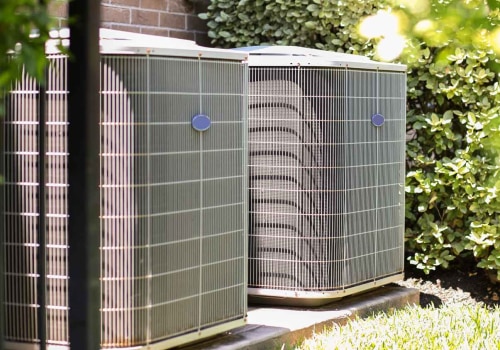
When it comes to the efficiency and longevity of your air conditioning system, environmental factors play a crucial role. Understanding how these external elements can impact your unit's performance is essential for maintaining optimal cooling and preventing costly air conditioner repair issues.One of the primary environmental considerations is the placement of your outdoor unit. Ideally, the unit should be located in a shaded area, away from direct sunlight. This can significantly enhance its efficiency, as the unit will not have to work as hard to cool the air.If your AC unit is exposed to excessive heat, it can lead to increased energy consumption and potential overheating.Additionally, proper airflow around the outdoor unit is vital. Ensure that there is at least 2 to 3 feet of clearance on all sides of the unit. This space allows for adequate airflow, which is necessary for efficient operation. If plants, shrubs, or other structures are too close to the unit, they can obstruct airflow and lead to overheating or reduced cooling capacity.Landscaping choices can also affect your air conditioner's performance.
For instance, large trees or tall fences can create wind barriers that disrupt airflow. While some shade is beneficial, too much obstruction can hinder the unit's ability to draw in fresh air. Regularly trimming back any overgrown vegetation around your AC unit is a simple yet effective maintenance practice.Debris accumulation is another common issue that can impact your air conditioner's efficiency. Leaves, dirt, and other debris can clog the fins of the outdoor unit, reducing its ability to dissipate heat effectively.
To prevent this, it’s advisable to clean the area around your AC unit regularly and remove any debris that may have collected.Moreover, consider installing a protective cover or screen around your outdoor unit during extreme weather conditions. This can help shield it from falling branches or heavy debris during storms, further safeguarding its functionality.In summary, being mindful of environmental factors such as outdoor unit placement and surrounding landscaping can greatly enhance your air conditioner's performance. By taking proactive steps to ensure proper airflow and cleanliness around your AC unit, you can minimize the risk of malfunctions and reduce the need for air conditioner repair.
<strong>Preventive Maintenance Tips for Homeowners</strong>
To ensure your air conditioning system operates efficiently and effectively, regular preventive maintenance is essential. By taking proactive steps, homeowners can significantly reduce the likelihood of unexpected breakdowns and costly air conditioner repair bills.Here are some key maintenance tips to keep your AC unit running smoothly:
- Regular Filter Replacement: One of the simplest yet most effective maintenance tasks is to check and replace your air filters regularly. Clogged filters restrict airflow, making your system work harder and potentially leading to overheating. Aim to replace or clean your filters every 1-3 months, depending on usage and the type of filter.
- Clean the Condenser Coils: The condenser coils located outside your home can accumulate dirt and debris over time. This buildup can hinder the unit's ability to dissipate heat.
To maintain efficiency, gently clean the coils with a soft brush or a garden hose, ensuring that no debris obstructs airflow.
- Inspect Ductwork: Leaky ducts can lead to significant energy loss and reduced cooling efficiency. Regularly inspect your ductwork for any signs of wear or damage. Sealing leaks with duct tape or mastic can improve airflow and lower energy costs.
- Check Refrigerant Levels: Low refrigerant levels can indicate a leak in the system, which can lead to inadequate cooling. If you suspect low refrigerant, it’s best to contact a professional for an inspection and refill.
- Schedule Annual Professional Maintenance: While homeowners can perform many maintenance tasks, scheduling an annual inspection with a qualified HVAC technician is crucial.
A professional can identify potential issues before they become major problems, ensuring your system operates at peak performance.
- Clear Surrounding Areas: Ensure that the area around your outdoor unit is free from debris, plants, and other obstructions. Maintaining a clear space of at least 2-3 feet around the unit allows for proper airflow and prevents overheating.