When it comes to maintaining a comfortable home environment, few systems are as crucial as your air conditioning unit. However, the reality of air conditioner repair often comes with a hefty price tag that can catch homeowners off guard. Understanding the intricacies of AC unit repairs is essential not only for budgeting but also for making informed decisions about maintenance and potential replacements. Many homeowners fall prey to common misconceptions regarding repair costs, believing that all repairs are minor or that they can delay necessary maintenance without consequence.One of the most significant factors influencing the cost of AC unit repairs is the complexity of the system itself.
Air conditioning units are sophisticated machines composed of various components, each playing a vital role in their overall function. From compressors to evaporator coils, each part can incur different repair costs depending on its condition and the nature of the issue. Additionally, labor costs can vary significantly based on the technician's expertise and the time required to diagnose and fix the problem.Moreover, many homeowners underestimate the importance of regular HVAC maintenance. Neglecting routine check-ups can lead to minor issues escalating into major repairs, ultimately costing more in the long run.
By understanding the common pitfalls associated with air conditioner repairs and recognizing the value of preventive maintenance, homeowners can better navigate the complexities of their HVAC systems. This section aims to shed light on these aspects, preparing you for a deeper exploration of what influences repair expenses and how you can mitigate them effectively.
The Most Expensive Components of an AC Unit
When it comes to air conditioning systems, understanding the components that are most susceptible to failure can save homeowners from unexpected financial burdens. Among these components, the compressor, evaporator coil, and condenser coil stand out as the most expensive parts to repair or replace.The Compressor
The compressor is often referred to as the "heart" of the air conditioning unit. It plays a critical role in circulating refrigerant throughout the system, which is essential for cooling your home.When a compressor fails, it can lead to significant repair costs, typically ranging from $1,000 to $2,500. The complexity of this component is a primary reason for its high repair costs. Not only does it require specialized tools and expertise to diagnose and fix issues, but a malfunctioning compressor can also cause damage to other parts of the AC unit, leading to even higher expenses.
Evaporator Coil
The evaporator coil is another vital component that can be costly to repair. This coil absorbs heat from the indoor air, allowing the refrigerant to cool down before it circulates back into the compressor.Over time, evaporator coils can develop leaks or become dirty, which can hinder their efficiency. Repairing or replacing an evaporator coil can cost between $600 and $1,200, depending on the severity of the issue and the specific model of your AC unit. Regular maintenance, such as cleaning and inspections, can help prevent these costly repairs.
Condenser Coil
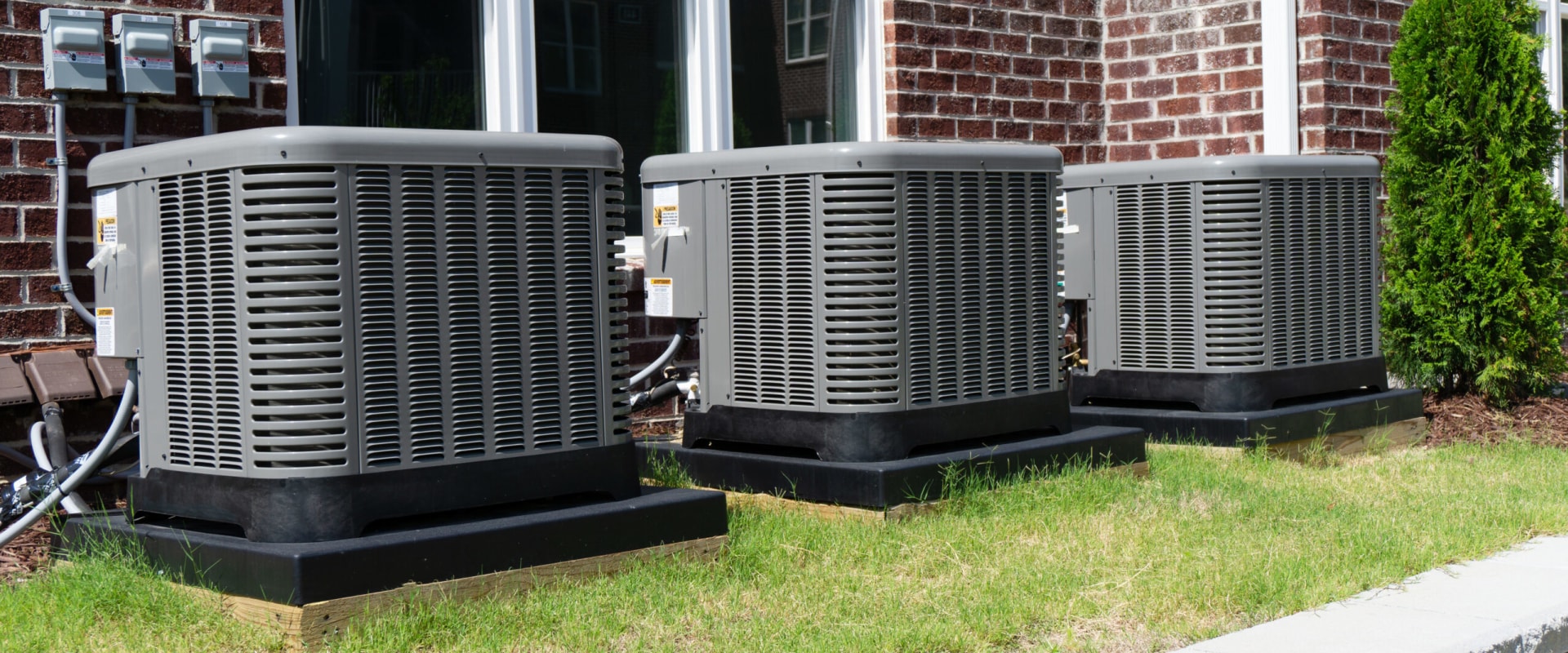
The condenser coil works in tandem with the evaporator coil but is located outside your home. It releases heat absorbed from inside your home into the outdoor air.Like the evaporator coil, condenser coils can also suffer from corrosion or dirt buildup over time. If repairs are needed, homeowners may face costs ranging from $700 to $1,500. In some cases, if the damage is extensive, a full replacement may be necessary.In summary, understanding which components of your air conditioning unit are most prone to failure can help you prepare for potential repair costs. The compressor stands out as the most expensive part to repair due to its complexity and critical function.
Meanwhile, both the evaporator and condenser coils also represent significant expenses when they fail. Regular maintenance and timely repairs can mitigate these costs and extend the lifespan of your AC unit.
Why Compressor Repairs Are So Costly
When it comes to air conditioner repair, one of the most significant expenses homeowners face is the cost associated with compressor repairs. Understanding why these repairs can be so costly requires a closer look at the complexities involved in the compressor's function and the implications of its failure.The compressor is often referred to as the "heart" of the air conditioning system. When a compressor fails, it can lead to a cascade of issues that not only affect the compressor itself but can also damage other components within the AC unit.Factors Contributing to High Repair Costs
- Complexity of the Component: Compressors are intricate machines that require specialized knowledge to diagnose and repair.
The technical expertise needed to work on these components often translates into higher labor costs.
- Potential for Additional Damage: A failing compressor can cause stress on other parts of the AC system, such as the evaporator coil or condenser. If these components are damaged due to a malfunctioning compressor, it can lead to even more expensive repairs.
- Replacement Parts: The cost of a new compressor itself can be substantial, often ranging from $800 to $2,500 depending on the make and model of your unit. This does not include labor costs, which can add another $200 to $500 to your total bill.
- Age of the Unit: If your air conditioning unit is older, it may be more susceptible to multiple failures. In such cases, investing in a new unit might be more cost-effective than repeatedly repairing an aging compressor.
Neglecting routine check-ups can lead to undetected issues that exacerbate compressor problems over time. By scheduling annual maintenance with a qualified HVAC technician, you can identify potential issues early and avoid costly repairs down the line.In summary, while compressor repairs are undoubtedly one of the most expensive aspects of air conditioner repair, understanding the reasons behind these costs can help homeowners make informed decisions about their HVAC systems. By recognizing the complexity of compressors and the potential for additional damage, you can better appreciate why investing in preventive maintenance is crucial for prolonging the life of your air conditioning unit.
Factors Influencing Air Conditioner Repair Costs
When it comes to air conditioner repair costs, several factors come into play that can significantly influence the final price tag. Understanding these elements can empower homeowners to make informed decisions regarding their HVAC systems.- Age of the Unit: The age of your air conditioning unit is a critical factor in determining repair costs.
Older units may require more frequent repairs due to wear and tear, and parts for outdated models can be harder to find, leading to increased labor costs. If your unit is nearing the end of its lifespan, it might be more economical to invest in a new system rather than continually repairing an aging one.
- Brand Reputation: Different brands have varying reputations for reliability and serviceability. Premium brands may have higher initial costs, but they often come with better warranties and longer lifespans, which can reduce overall repair expenses. Conversely, lesser-known brands might save you money upfront but could lead to higher repair costs down the line due to inferior components.
- Type of Repair Needed: The nature of the repair itself plays a significant role in pricing.
Simple fixes, such as replacing a capacitor or cleaning coils, are generally less expensive than major repairs like compressor replacements or refrigerant leaks. Understanding the specific issue can help you gauge potential costs more accurately.
- Local Labor Rates: Labor costs can vary widely depending on your geographical location. Urban areas typically have higher labor rates compared to rural regions. Additionally, local demand for HVAC services can influence pricing; during peak seasons, such as summer, you may encounter inflated service fees due to increased demand.
- Seasonal Factors: The time of year can also affect repair costs.
During peak cooling seasons, HVAC technicians may charge more due to high demand for their services. Scheduling repairs during off-peak times can sometimes lead to lower rates.
- Maintenance History: A well-maintained air conditioning unit is less likely to require costly repairs. Regular maintenance checks can identify potential issues before they escalate into major problems, ultimately saving you money in the long run.
When to Repair vs.
When to Replace Your AC UnitDeciding whether to repair or replace your air conditioning unit is a significant choice that can impact your comfort and finances. Understanding the signs that indicate a replacement may be necessary, as well as evaluating the long-term costs, is crucial in making an informed decision.
Signs It's Time to Replace Your Air Conditioner
- Age of the Unit: Most air conditioning units have a lifespan of 10 to 15 years. If your system is approaching or has surpassed this age, it may be more cost-effective to invest in a new unit rather than continue pouring money into repairs.
- Frequent Breakdowns: If you find yourself calling for repairs multiple times each season, it’s a clear indication that your AC unit is struggling. Frequent issues not only add up in repair costs but also suggest that the unit is nearing the end of its operational life.
- Rising Energy Bills: An increase in your energy bills can signal that your air conditioner is working harder than it should.
Older units often lose efficiency over time, leading to higher energy consumption. A new, energy-efficient model could save you money in the long run.
- Inconsistent Cooling: If certain rooms in your home are warmer than others or if you notice fluctuations in temperature, it may indicate that your AC unit is failing to distribute cool air effectively. This inconsistency can be a sign of underlying issues that may warrant replacement.
- Excessive Noise: Unusual sounds such as grinding, squealing, or banging can indicate serious mechanical problems. While some noises can be repaired, persistent loud operation may suggest that the unit is on its last legs.
Evaluating Long-Term Costs
When weighing the options between repair and replacement, consider not just the immediate costs but also the long-term financial implications.
Here are some factors to keep in mind:
- Repair Costs vs. Replacement Costs: Calculate the total cost of repairs over the next few years and compare it to the price of a new unit. If repairs exceed 50% of the cost of a new system within a few years, replacement may be the wiser choice.
- Energy Efficiency: Newer models are designed with advanced technology that enhances energy efficiency. Investing in an energy-efficient air conditioner can lead to significant savings on your utility bills.
- Warranty Considerations: New units typically come with warranties that cover parts and labor for several years.
This can provide peace of mind and reduce unexpected expenses associated with repairs.
Preventative Maintenance to Avoid Costly Repairs
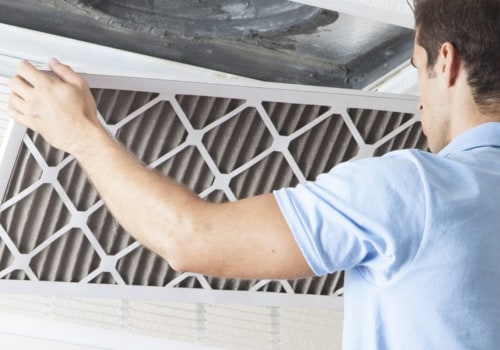
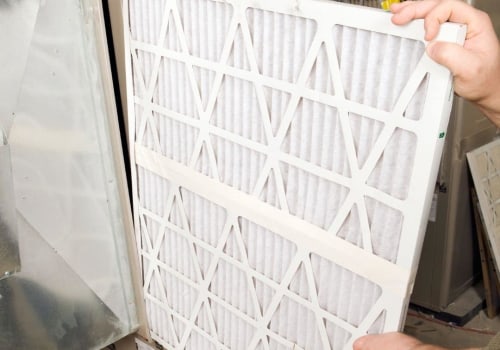
Maintaining your air conditioning unit is crucial for ensuring its longevity and efficiency. Regular preventative maintenance can significantly reduce the likelihood of costly repairs, saving you both time and money in the long run. Here are some essential tips to help you keep your AC unit in top shape:- Change Air Filters Regularly: One of the simplest yet most effective maintenance tasks is to change your air filters every 1-3 months.
Clogged filters restrict airflow, making your system work harder and potentially leading to breakdowns.
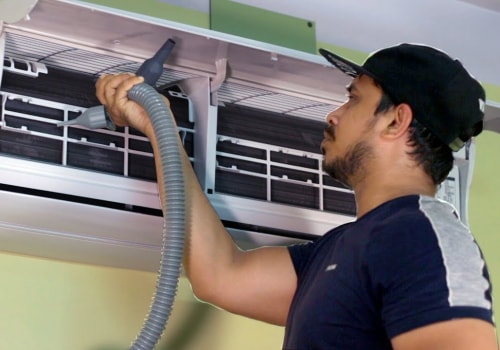
- Schedule Annual Professional Inspections: Having a qualified HVAC technician inspect your system at least once a year can catch potential issues before they escalate. During these inspections, professionals can clean components, check refrigerant levels, and ensure everything is functioning correctly.
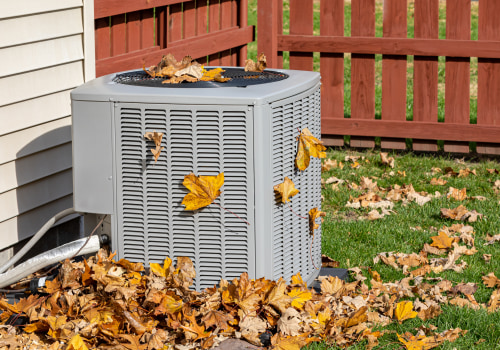
- Keep the Outdoor Unit Clean: The outdoor condenser unit should be free from debris such as leaves, dirt, and grass clippings. Regularly clear a two-foot radius around the unit to ensure proper airflow and efficiency.
- Check the Thermostat Settings: Ensure that your thermostat is functioning correctly and set to an appropriate temperature. Consider upgrading to a programmable thermostat for better energy management.
- Inspect Ductwork for Leaks: Leaky ducts can lead to significant energy loss and reduced efficiency.
Inspect your ductwork for any visible signs of wear or damage and seal any leaks with duct tape or mastic sealant.
- Monitor System Performance: Pay attention to how your AC unit operates. If you notice unusual noises, reduced cooling efficiency, or increased energy bills, it may be time to consult a professional.
Common Myths About Air Conditioner Repairs
When it comes to air conditioner repair, many homeowners are often misled by common myths and misconceptions.Understanding the truth behind these myths can help you make better decisions regarding your HVAC system. Here are some prevalent myths debunked:
- Myth 1: All AC repairs are expensive. While some repairs can be costly, not all issues require a hefty investment. Simple problems, such as a clogged filter or low refrigerant levels, can often be resolved at a minimal cost. Regular maintenance can also prevent more significant issues from arising.
- Myth 2: You only need to service your AC when it breaks down. This is a dangerous misconception.
Regular maintenance is crucial for the longevity and efficiency of your unit. Scheduling annual check-ups can help identify potential problems before they escalate into costly repairs.
- Myth 3: Bigger units are always better. Many homeowners believe that a larger air conditioning unit will cool their home more effectively. However, an oversized unit can lead to short cycling, which reduces efficiency and increases wear and tear on the system. It's essential to choose a unit that is appropriately sized for your space.
- Myth 4: DIY repairs save money. While it may be tempting to tackle repairs yourself, this can often lead to more significant issues if not done correctly.
HVAC systems are complex, and improper handling can result in further damage or safety hazards. It's best to consult with a professional technician for any repairs.
- Myth 5: If my AC is running, it doesn’t need maintenance. Just because your air conditioner is operational doesn’t mean it’s functioning efficiently. Regular maintenance ensures that your system runs smoothly and helps avoid unexpected breakdowns.
FAQs About Air Conditioner Repair Costs
When it comes to air conditioner repair, many homeowners have questions about costs, processes, and what to expect.Here are some of the most frequently asked questions regarding AC repairs and their associated costs.
What are the typical costs associated with air conditioner repairs?
The cost of air conditioner repair can vary significantly based on several factors, including the type of repair needed, the make and model of your unit, and your geographical location. On average, homeowners can expect to pay between $150 and $600 for common repairs. However, more complex issues, such as compressor replacements, can escalate costs to $1,000 or more.How can I determine if my air conditioner needs repair?
There are several signs that indicate your air conditioning unit may need repair:- Unusual noises: If you hear grinding, squealing, or banging sounds, it could signal a mechanical issue.
- Inconsistent cooling: If some rooms are cooler than others or your unit is not cooling effectively, it may require attention.
- Increased energy bills: A sudden spike in your energy costs could indicate that your AC is working harder than it should due to inefficiencies.
- Foul odors: Strange smells can indicate electrical issues or mold growth within the unit.
Is it worth repairing an old air conditioning unit?
This is a common dilemma for homeowners. If your AC unit is over 10 years old and requires significant repairs, it may be more cost-effective to replace it rather than invest in repairs.A good rule of thumb is to consider the age of the unit and the cost of repairs; if repairs exceed 50% of the cost of a new unit, replacement might be the better option.
How often should I schedule maintenance for my air conditioner?
Regular maintenance is crucial for prolonging the life of your air conditioning system. It is recommended to schedule professional maintenance at least once a year. This includes checking refrigerant levels, cleaning coils, and inspecting electrical components. Regular upkeep can help prevent costly repairs down the line.Can I perform any repairs myself?
While some minor tasks like changing filters or cleaning debris from around the outdoor unit can be done by homeowners, most repairs should be left to professionals.Attempting complex repairs without proper training can lead to further damage and increased costs.If you have more questions about air conditioner repair, don’t hesitate to reach out to a qualified HVAC technician who can provide tailored advice based on your specific situation.
Conclusion: Making Informed Decisions About Your AC Unit
In summary, understanding the intricacies of air conditioner repair is essential for homeowners looking to make informed decisions about their HVAC systems. Throughout this article, we have explored the various components of an AC unit, with a particular focus on the compressor, which stands out as the most expensive part to repair. This knowledge empowers you to weigh the costs and benefits of repairing versus replacing your unit.One of the key takeaways is the importance of regular maintenance. By investing in routine check-ups and adhering to maintenance schedules, you can significantly extend the lifespan of your air conditioning system.Simple actions such as changing air filters and cleaning coils can prevent minor issues from escalating into costly repairs.Moreover, understanding the age and condition of your AC unit plays a crucial role in decision-making. If your system is nearing the end of its expected lifespan, it may be more prudent to consider a replacement rather than pouring money into repairs that may only provide temporary relief. This proactive approach not only saves you money in the long run but also ensures that you have a reliable cooling system during peak seasons.Consulting with a qualified HVAC professional is another vital step in navigating air conditioner repair decisions. These experts can provide valuable insights into your specific situation, helping you assess whether a repair or replacement is the best course of action.
They can also offer guidance on energy-efficient models that could save you money on utility bills while providing superior performance.In conclusion, being well-informed about the costs associated with air conditioner repair and maintenance practices is crucial for any homeowner. By taking proactive measures and seeking professional advice, you can ensure that your home remains comfortable without breaking the bank.