In today's world, where comfort and air quality are paramount, understanding HVAC systems is essential for homeowners and business operators alike. HVAC, which stands for Heating, Ventilation, and Air Conditioning, encompasses a range of technologies designed to regulate indoor environments. These systems not only provide warmth during the cold months but also ensure coolness and fresh air circulation when temperatures rise. The significance of a well-functioning HVAC system cannot be overstated; it directly impacts energy efficiency, indoor air quality, and overall comfort.At the heart of any HVAC system lies a series of interconnected components that work in harmony to deliver optimal performance.
From the air conditioner that cools your living space to the furnace that keeps it warm during winter, each part plays a vital role. Understanding these components is crucial, especially when it comes to air conditioner repair. Recognizing the signs of malfunction or inefficiency can save homeowners from costly repairs and ensure that their systems operate at peak efficiency.Moreover, the importance of regular maintenance cannot be overlooked. Just as a car requires routine check-ups to function smoothly, HVAC systems benefit from periodic inspections and repairs.
This proactive approach not only extends the lifespan of the equipment but also enhances energy efficiency, leading to lower utility bills. In this comprehensive guide, we will explore each component of an HVAC system in detail, shedding light on their functions and the importance of timely repairs.
Key Components of an HVAC System
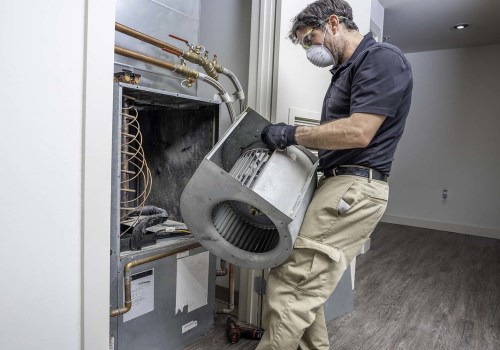
Understanding the key components of an HVAC system is essential for homeowners and business owners alike. Each part plays a vital role in maintaining indoor comfort, and knowing how they function can help you make informed decisions regarding air conditioner repair and maintenance.- Furnace: The furnace is the heart of the heating system. It generates heat by burning fuel or using electricity.
The heated air is then distributed throughout the building via ductwork. Regular maintenance, including filter changes and inspections, is crucial to ensure efficient operation and longevity.
- Air Conditioner: This component cools the air in your home during warmer months. It works by removing heat from indoor air and transferring it outside. Key parts of an air conditioner include the compressor, evaporator coil, and condenser coil.
Understanding these parts can help you identify issues that may require air conditioner repair.
- Heat Pump: A heat pump serves dual purposes: it can both heat and cool your home. In winter, it extracts heat from the outside air and transfers it indoors, while in summer, it does the opposite. Heat pumps are energy-efficient options for climate control but require regular maintenance to operate effectively.
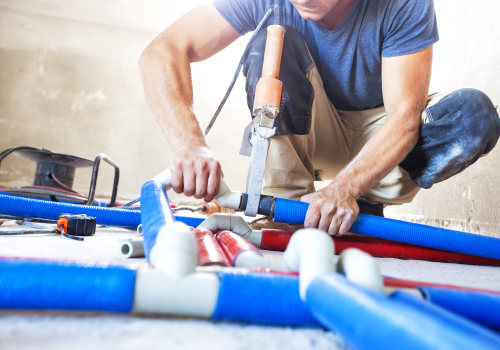
- Ductwork: Ducts are the pathways through which heated or cooled air travels. Properly designed and sealed ductwork ensures that air flows efficiently throughout your space.
Leaks or blockages can lead to significant energy loss and uneven temperatures, making regular inspections important.
- Thermostat: The thermostat acts as the control center for your HVAC system. It allows you to set your desired temperature and regulates when the heating or cooling systems turn on or off. Modern smart thermostats offer advanced features like scheduling and remote access, enhancing energy efficiency.
The Role of the Air Conditioner in HVAC Systems
The air conditioner is a pivotal component of any HVAC system, primarily responsible for cooling indoor spaces and maintaining a comfortable environment.Understanding its function and operation is essential for homeowners and businesses alike, especially when it comes to air conditioner repair and maintenance.At its core, an air conditioning unit operates on the principles of thermodynamics, utilizing a refrigerant to absorb heat from the indoor air and expel it outside. This process involves several key components that work in harmony:
- Compressor: Often referred to as the heart of the air conditioning system, the compressor pumps the refrigerant through the system. It compresses the refrigerant gas, raising its pressure and temperature before sending it to the condenser.
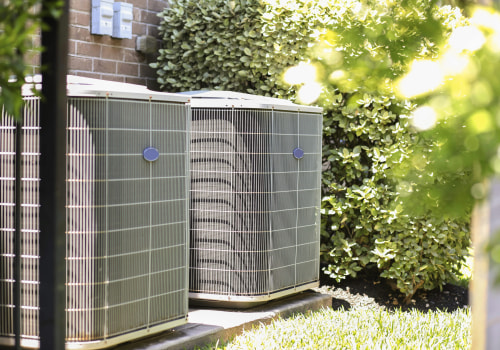
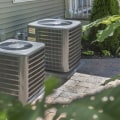
- Condenser Coil: Located outside the building, the condenser coil releases heat absorbed from inside. As the high-pressure refrigerant gas passes through this coil, it cools down and transforms into a liquid state.
- Expansion Valve: This component regulates the flow of refrigerant into the evaporator coil.
It reduces the pressure of the refrigerant, allowing it to expand and cool before entering the evaporator.
- Evaporator Coil: Situated inside the building, this coil absorbs heat from indoor air. As warm air passes over the evaporator coil, the refrigerant inside absorbs heat and evaporates into a gas, effectively cooling the air that is circulated back into the space.
By ensuring that each component functions optimally, you can enjoy a comfortable indoor environment while minimizing repair costs and energy usage.
Common Air Conditioner Issues and Repairs
Homeowners often encounter a variety of issues with their air conditioning units, which can lead to discomfort and increased energy bills. Understanding these common problems and knowing how to address them can save time and money. Here are some frequent air conditioner issues along with practical repair tips.- Insufficient Cooling : One of the most common complaints is that the air conditioner is not cooling effectively. This could be due to a dirty air filter, which restricts airflow.
Regularly replacing or cleaning the filter can improve performance. Additionally, check for blocked vents or ducts that may be obstructing airflow.
- Strange Noises : If your AC unit is making unusual sounds such as grinding, squealing, or rattling, it may indicate a mechanical issue. These noises could stem from loose parts or worn-out bearings. Inspect the unit for any visible issues and consider calling a professional if the problem persists.
- Frequent Cycling : An air conditioner that turns on and off frequently may be short cycling, which can lead to increased wear and tear.
This issue might be caused by an oversized unit or a malfunctioning thermostat. Ensure that the thermostat is calibrated correctly and consider consulting an HVAC technician for further evaluation.
- Water Leaks : If you notice water pooling around your air conditioning unit, it could be due to a clogged condensate drain line or a refrigerant leak. Regular maintenance can help prevent clogs, but if you suspect a refrigerant leak, it’s crucial to contact a professional immediately as this can pose health risks.
- Bad Odors : Foul smells emanating from your AC can indicate mold growth within the system or burnt-out electrical components. If you detect musty odors, check the drain pan for standing water and clean it thoroughly.
For electrical smells, turn off the unit and seek professional assistance.
Preventive Maintenance for HVAC Systems
Regular maintenance of your HVAC system is crucial for ensuring its longevity and efficiency.By investing time and effort into preventive care, you can avoid unexpected breakdowns and costly repairs, particularly for your air conditioner. Here are some essential tips to keep your HVAC system running smoothly:
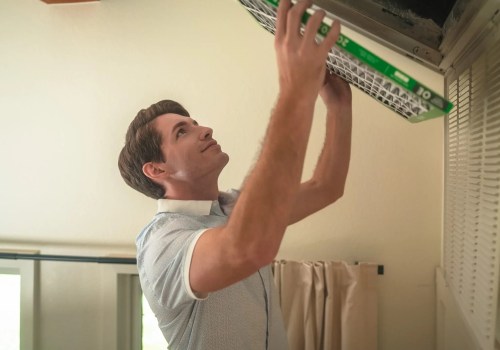
- Change Air Filters Regularly: One of the simplest yet most effective maintenance tasks is to change your air filters every 1-3 months. Clogged filters restrict airflow, making your system work harder and less efficiently. Clean filters improve indoor air quality and reduce energy consumption.
- Schedule Annual Professional Inspections: Having a qualified technician inspect your HVAC system at least once a year can help identify potential issues before they escalate.
During these inspections, professionals will check refrigerant levels, inspect electrical components, and clean essential parts.
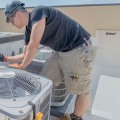
- Clean the Condenser Coils: The outdoor unit of your air conditioner has condenser coils that can accumulate dirt and debris over time. Cleaning these coils at least once a year helps maintain optimal heat exchange, improving efficiency and extending the lifespan of your unit.
- Check Ductwork for Leaks: Leaky ducts can lead to significant energy loss and reduced efficiency. Inspect your ductwork for any visible gaps or holes, and seal them with appropriate materials. This ensures that conditioned air reaches its intended destination without unnecessary waste.
- Clear Debris Around Outdoor Units: Ensure that the area around your outdoor air conditioning unit is free from leaves, grass, and other debris.
This allows for proper airflow and prevents overheating during operation.
- Test Thermostat Functionality: Regularly check that your thermostat is functioning correctly. A malfunctioning thermostat can lead to improper temperature regulation, causing discomfort and increased energy bills. Consider upgrading to a programmable or smart thermostat for enhanced control.
Energy Efficiency and HVAC Systems
In today's world, where energy costs are continually rising and environmental concerns are at the forefront, the importance of energy efficiency in HVAC systems cannot be overstated.An energy-efficient HVAC system not only reduces your carbon footprint but also significantly lowers your monthly energy bills, making it a wise investment for homeowners.When considering an HVAC system, it is crucial to look for models that are designed with energy efficiency in mind. These systems often come with a higher initial price tag; however, the long-term savings on energy bills can far outweigh the upfront costs. Here are some key factors to consider when selecting an energy-efficient HVAC system:
- SEER Rating: The Seasonal Energy Efficiency Ratio (SEER) measures the cooling output of an air conditioner over a typical cooling season divided by the total electric energy input during the same period. A higher SEER rating indicates a more efficient unit.
Look for air conditioners with a SEER rating of 16 or higher for optimal efficiency.
- Energy Star Certification: Products that have earned the Energy Star label meet strict energy efficiency guidelines set by the U. S. Environmental Protection Agency. Choosing Energy Star-certified HVAC systems ensures that you are investing in equipment that is proven to save energy and reduce greenhouse gas emissions.
- Variable Speed Technology: Traditional HVAC systems often operate at a single speed, which can lead to unnecessary energy consumption.
In contrast, systems with variable speed technology can adjust their output based on the current demand, providing more consistent temperatures and reducing energy waste.
- Regular Maintenance: Schedule routine maintenance checks to ensure your system is running optimally. This includes changing filters, cleaning coils, and checking refrigerant levels.
- Smart Thermostats: Installing a smart thermostat allows you to program your heating and cooling schedules based on your lifestyle, further optimizing energy use.
- Proper Insulation: Ensure your home is well-insulated to prevent heat loss in winter and heat gain in summer. This will reduce the workload on your HVAC system.
By choosing wisely and implementing best practices for maintenance and operation, homeowners can enjoy comfort while contributing to a sustainable future.
Frequently Asked Questions about HVAC Systems and Air Conditioner Repair
When it comes to HVAC systems and air conditioner repair, many homeowners have questions that can significantly impact their comfort and energy efficiency. Below are some of the most frequently asked questions regarding HVAC systems and air conditioning repairs, along with detailed answers to help you navigate these common concerns.What are the signs that my air conditioner needs repair?
Recognizing the signs that your air conditioner requires repair can save you from more extensive damage and costly repairs down the line. Here are some indicators:- Unusual Noises: If your air conditioner is making strange sounds such as grinding, squealing, or banging, it may indicate a mechanical issue.
- Inconsistent Temperatures: If certain rooms in your home are warmer or cooler than others, it could be a sign of airflow issues or a failing compressor.
- Increased Energy Bills: A sudden spike in your energy bills without a corresponding increase in usage may suggest that your system is working harder than it should.
- Foul Odors: Unpleasant smells can indicate mold growth or electrical issues within the unit.
- Frequent Cycling: If your air conditioner turns on and off frequently, it may be short-cycling due to an underlying problem.
How often should I have my HVAC system serviced?
Regular maintenance is crucial for the longevity and efficiency of your HVAC system. It is generally recommended to have your system serviced at least once a year.Here’s a breakdown of what to expect:
- Spring Maintenance: Focuses on the air conditioning unit, ensuring it’s ready for the summer heat.
- Fall Maintenance: Prepares your heating system for winter, checking for any potential issues before the cold weather sets in.
Can I perform air conditioner repairs myself?
While some minor maintenance tasks can be performed by homeowners, such as changing filters or cleaning debris from outdoor units, most air conditioner repairs should be left to professionals. Attempting complex repairs without proper knowledge can lead to further damage or safety hazards. Always consult with a certified HVAC technician for significant issues.What should I do if my air conditioner is not cooling?
If your air conditioner is running but not cooling effectively, consider these troubleshooting steps:- Check the Thermostat: Ensure it’s set to cooling mode and that the temperature setting is lower than the current room temperature.
- Inspect Air Filters: Dirty filters can restrict airflow; replace them if necessary.
- Examine Vents: Ensure that vents are open and unobstructed by furniture or other objects.
Conclusion: Ensuring Comfort with a Well-Maintained HVAC System
In conclusion, understanding the essential components of an HVAC system is crucial for maintaining a comfortable and healthy indoor environment. Each part, from the air conditioner to the furnace, plays a significant role in regulating temperature and ensuring air quality.Regular maintenance is not just a recommendation; it is a necessity for optimal performance and longevity of your HVAC system.By familiarizing yourself with the various components, you can better appreciate how they work together to provide heating, cooling, and ventilation. This knowledge empowers you to identify potential issues early on, which can save you time and money in the long run. For instance, recognizing the signs that indicate air conditioner repair is needed can prevent minor problems from escalating into major repairs.Moreover, regular maintenance tasks such as changing filters, cleaning coils, and checking refrigerant levels are vital. These actions not only enhance efficiency but also improve indoor air quality by reducing allergens and pollutants.
A well-maintained HVAC system operates more efficiently, leading to lower energy bills and a reduced carbon footprint.It’s also important to schedule professional inspections at least once a year. These inspections can uncover hidden issues that may not be apparent during routine maintenance. A qualified technician can provide insights into your system's performance and recommend necessary repairs or upgrades.In summary, investing time in understanding your HVAC system and committing to regular maintenance will ensure that your home remains comfortable year-round. By prioritizing these practices, you not only enhance your living environment but also extend the lifespan of your HVAC components, ultimately leading to significant savings and peace of mind.