As temperatures rise, the importance of a well-functioning air conditioning system becomes increasingly evident. However, many homeowners often overlook the potential issues that can arise with their units. Understanding common air conditioner problemsair conditioner problems is crucial not only for effective air conditioner repair but also for maintaining a comfortable living environment. By being aware of these issues, you can take proactive steps to ensure your system operates efficiently and reliably.Air conditioners are complex machines that require regular maintenance and occasional repairs to function optimally.
When problems occur, they can lead to discomfort, increased energy bills, and even costly repairs if not addressed promptly. Some of the most frequent issues include refrigerant leaks, electrical malfunctions, and dirty filters. Each of these problems can significantly impact the performance of your unit, making it essential to recognize the signs early on.This article will delve into the top five air conditioner problems that homeowners commonly face, providing insights into their causes and practical solutions. By familiarizing yourself with these common AC issues, you can better prepare for potential challenges and make informed decisions about when to seek professional help.
Whether you're a seasoned homeowner or new to air conditioning systems, understanding these problems will empower you to maintain your unit effectively and enjoy a cool, comfortable home all summer long.
1.Refrigerant Leaks: Causes and Solutions
One of the most critical issues that can affect your air conditioning system is a refrigerant leak. Refrigerant is the lifeblood of your air conditioner, responsible for absorbing heat from the indoor air and releasing it outside. When there is a leak, not only does it compromise the cooling efficiency of your unit, but it can also lead to more severe problems if left unaddressed.Causes of Refrigerant Leaks
- Corrosion: Over time, the metal components of your air conditioning system can corrode, especially in humid environments. This corrosion can create tiny holes in the refrigerant lines.
- Poor Installation: If your air conditioner was not installed correctly, it may have weak points in the refrigerant lines that are prone to leaks.
- Physical Damage: Accidental damage from maintenance work or external factors like falling branches can puncture refrigerant lines.
- Aging Equipment: Older air conditioning units are more susceptible to leaks due to wear and tear on components.
Symptoms of Refrigerant Leaks
Identifying a refrigerant leak early can save you from costly repairs and inefficient cooling.
Here are some common symptoms:
- Warm Air: If your air conditioner is blowing warm air instead of cool, it may indicate low refrigerant levels due to a leak.
- Icing on Coils: A refrigerant leak can cause the evaporator coils to freeze over, leading to ice buildup.
- Increased Energy Bills: If you notice a spike in your energy costs without a change in usage, it could be due to your unit working harder to compensate for lost refrigerant.
- Hissing or Bubbling Sounds: Unusual noises coming from your unit may indicate that refrigerant is escaping from a leak.
How to Fix Refrigerant Leaks
While some homeowners may attempt DIY fixes, dealing with refrigerant leaks requires professional expertise. Here’s what you should do:
- Call a Professional: The first step is to contact a licensed HVAC technician who can accurately locate and repair the leak.
- Repair the Leak: The technician will use specialized tools to find the source of the leak and seal it properly.
- Recharge the System: After repairing the leak, the technician will recharge your system with the appropriate amount of refrigerant to ensure optimal performance.
- Regular Maintenance: To prevent future leaks, schedule regular maintenance checks for your air conditioning system. This will help identify potential issues before they escalate into major problems.
Always seek professional assistance when dealing with refrigerant-related problems to ensure safe and effective repairs.
2.Dirty or Clogged Filters: Maintenance Tips
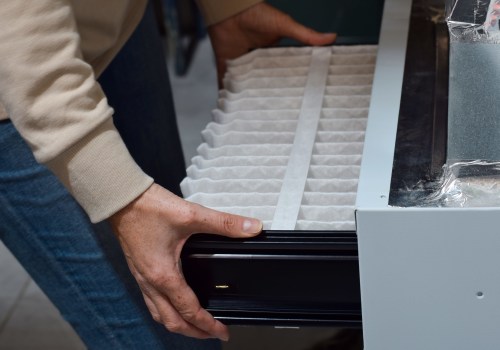
One of the most significant yet often overlooked aspects of air conditioner maintenance is the condition of the filters.Dirty air filters
can severely impact the performance of your unit, leading to inefficient cooling and increased energy costs. When filters become clogged with dust, dirt, and other debris, they restrict airflow, forcing your air conditioner to work harder to maintain the desired temperature. This not only reduces efficiency but can also lead to premature wear and tear on your system.To ensure your air conditioner operates at peak performance, it’s essential to implement a regular maintenance routine for your filters.Here are some practical tips:
- Check Filters Monthly: Make it a habit to inspect your air filters at least once a month. This will help you gauge how quickly they accumulate dirt and when they need cleaning or replacement.
- Clean or Replace Regularly: Depending on the type of filter you have, you may be able to clean it. Washable filters can be rinsed with water and allowed to dry before reinserting them. If you have disposable filters, replace them every 1-3 months, or as recommended by the manufacturer.
- Use High-Quality Filters: Investing in high-quality filters can make a significant difference in air quality and system efficiency.
Look for filters with a higher MERV (Minimum Efficiency Reporting Value) rating, which indicates better filtration capabilities.
- Consider Your Environment: If you live in a dusty area or have pets, you may need to change your filters more frequently. Tailor your maintenance schedule based on your specific circumstances.
- Professional Maintenance: Schedule annual professional maintenance for your air conditioning system. Technicians can clean and inspect not only the filters but also other components of the unit, ensuring everything is functioning correctly.
This not only saves energy but also prolongs the lifespan of your unit, ultimately leading to fewer costly repairs down the line.In summary, maintaining clean and unclogged filters is crucial for optimal air conditioner performance. Regular checks and timely replacements will ensure that your system runs efficiently and effectively, keeping your home comfortable throughout the warmer months.
3.Faulty Thermostat: Diagnosis and Repair
The thermostat is a crucial component of your air conditioning system, acting as the brain that regulates temperature in your home. When it malfunctions, it can lead to inconsistent cooling, increased energy bills, and overall discomfort. Understanding how to diagnose and repair thermostat issues is essential for maintaining a comfortable living environment.Common Symptoms of a Faulty Thermostat
- Inconsistent Temperatures: If you notice that some rooms are warmer or cooler than others, your thermostat may not be accurately reading the temperature.
- AC Not Turning On: A malfunctioning thermostat may fail to signal your air conditioner to start, leaving you without cool air on hot days.
- Frequent Cycling: If your AC turns on and off more frequently than usual, it could be due to a faulty thermostat misreading the temperature.
- Display Issues: A blank or flickering display can indicate electrical problems within the thermostat itself.
Diagnosing Thermostat Problems
To effectively diagnose thermostat issues, follow these steps:
- Check the Power Supply: Ensure that the thermostat is receiving power.
If it runs on batteries, replace them and see if that resolves the issue.
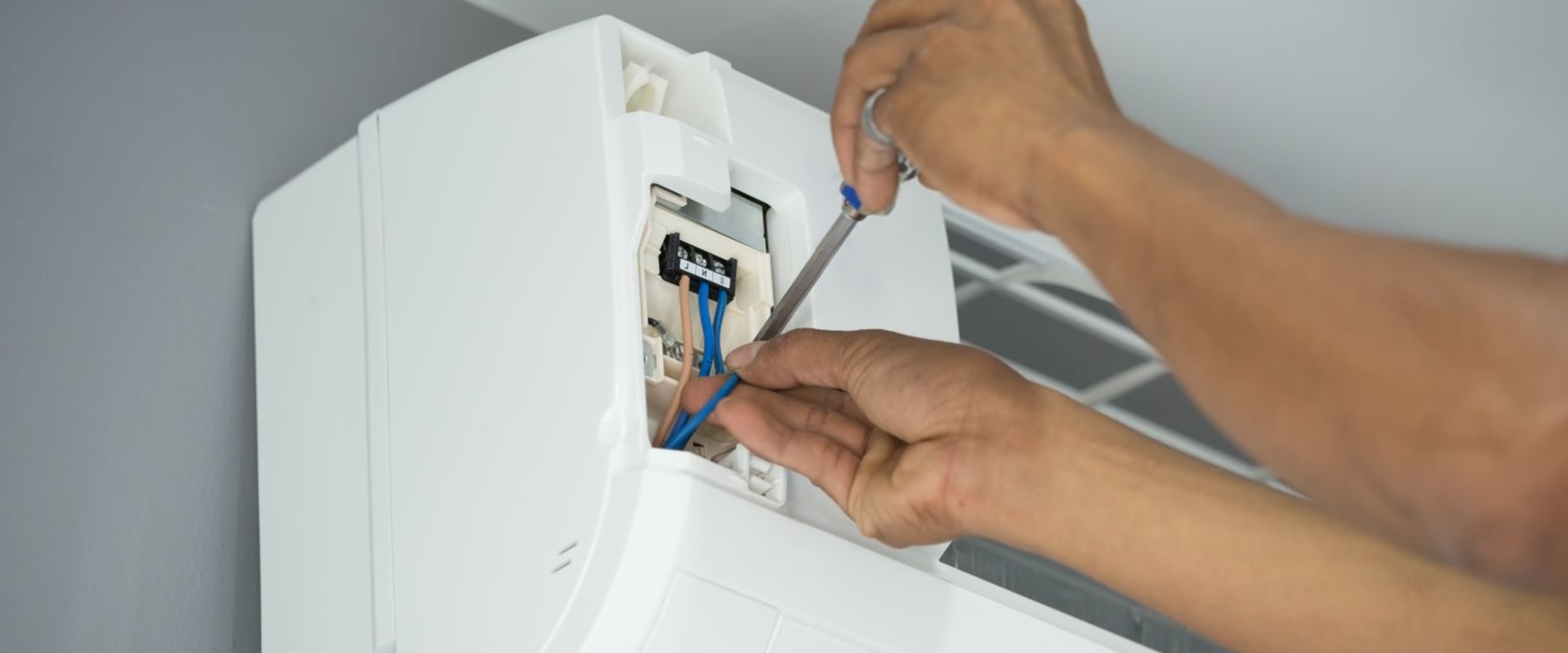
- Inspect Wiring Connections: Turn off power to the unit and check for loose or damaged wires connected to the thermostat. Tighten any loose connections and replace damaged wires as necessary.
- Calibrate the Thermostat: Use a separate thermometer to compare readings with your thermostat. If there’s a significant difference, recalibration may be needed.
How to Fix Thermostat Problems
If you’ve diagnosed a faulty thermostat, you have a couple of options:
- Recalibration: Many digital thermostats allow for recalibration through their settings. Refer to the user manual for specific instructions on how to adjust the calibration settings.
- Replacement: If recalibration doesn’t solve the problem or if your thermostat is outdated, consider replacing it with a new model.
Modern smart thermostats offer enhanced features such as remote control and energy-saving settings.
When to Call a Professional
If you’ve tried troubleshooting and fixing the thermostat without success, it may be time to consult a professional. An HVAC technician can provide a thorough inspection and ensure that your air conditioning system operates efficiently.By addressing thermostat issues promptly, you can maintain optimal comfort in your home while also improving energy efficiency. Regular maintenance checks can help prevent future problems and extend the lifespan of your air conditioning system.
4.Electrical Problems: Identifying and Fixing Issues
Electrical issues in air conditioning units can manifest in various ways, often leading to inefficient operation or complete system failure. Understanding how to identify and troubleshoot these problems is crucial for maintaining a comfortable indoor environment.Common Electrical Problems in Air Conditioners
- Blown Fuses: A blown fuse is one of the most common electrical issues.
It can occur due to power surges or an overload in the system. If your air conditioner suddenly stops working, check the fuse box first.
- Tripped Circuit Breakers: Similar to blown fuses, tripped circuit breakers can prevent your AC from functioning. This usually indicates that the unit is drawing too much power, which could be due to a malfunctioning component.
- Faulty Wiring: Over time, wiring can become frayed or damaged, leading to shorts or disconnections. This not only affects performance but can also pose a fire hazard.
- Capacitor Issues: The capacitor helps start the compressor and fan motors.
If it fails, the unit may not turn on at all or may struggle to operate efficiently.
- Thermostat Malfunctions: While primarily a control device, a faulty thermostat can lead to electrical issues by sending incorrect signals to the AC unit.
Troubleshooting Electrical Problems
When troubleshooting electrical problems in your air conditioner, safety should always be your top priority. Here are some steps you can take:
- Turn Off Power: Before inspecting any electrical components, ensure that the power to the unit is completely turned off at the circuit breaker.
- Inspect Fuses and Breakers: Check for any blown fuses or tripped breakers. Replace fuses as needed and reset breakers if they have tripped.
- Examine Wiring: Look for any visible signs of wear or damage in the wiring. If you notice frayed wires or burnt connections, it’s best to call a professional.
- Test Capacitors: If you suspect capacitor issues, use a multimeter to test its functionality.
If it’s not working properly, replacement is necessary.
When to Call a Professional
If you encounter persistent electrical problems or if you’re uncomfortable performing any of these checks yourself, it’s essential to seek help from a qualified technician. Electrical repairs can be complex and dangerous if not handled correctly. A professional will have the tools and expertise needed to diagnose and fix issues safely, ensuring your air conditioning system operates efficiently and reliably.By being proactive about identifying and addressing electrical problems in your air conditioner, you can extend its lifespan and maintain optimal performance throughout the cooling season.
5.Lack of Maintenance: Importance of Regular Check-Ups
Regular maintenance of your air conditioning system is crucial for ensuring its longevity and efficiency. Just like any other appliance in your home, your air conditioner requires periodic check-ups to function optimally.Neglecting these maintenance tasks can lead to a host of problems, including reduced cooling efficiency, increased energy bills, and even complete system failure.
Why is AC Maintenance Important?
- Prevention of Major Issues: Regular maintenance helps identify potential problems before they escalate into costly repairs. A technician can spot wear and tear, leaks, or electrical issues that may not be immediately apparent to the homeowner.
- Improved Efficiency: A well-maintained air conditioner operates more efficiently, which can lead to lower energy costs. Clean filters and coils allow for better airflow and cooling performance.
- Extended Lifespan: Routine check-ups can significantly extend the lifespan of your unit. By addressing minor issues promptly, you can avoid the need for premature replacements.
- Enhanced Air Quality: Regular maintenance includes cleaning or replacing filters, which helps improve indoor air quality by reducing allergens and pollutants.
What to Expect During Professional Check-Ups
When you schedule a professional maintenance appointment, you can expect a thorough inspection and service of your air conditioning system.
Here are some common tasks that technicians perform:
- Inspection of Components: Technicians will check all major components, including the compressor, evaporator coil, condenser coil, and fan.
- Cleaning: Dust and debris can accumulate in various parts of the unit. Professionals will clean the coils, drain lines, and filters to ensure optimal airflow.
- Refrigerant Levels: The technician will check refrigerant levels to ensure they are within the manufacturer’s specifications. Low levels may indicate a leak that needs to be addressed.
- Electrical Connections: All electrical connections will be inspected for signs of wear or damage. Loose connections can lead to inefficiency or even safety hazards.
- Thermostat Calibration: The thermostat will be checked and calibrated if necessary to ensure accurate temperature control.
Maintenance Schedule
A good rule of thumb is to schedule professional maintenance at least once a year, ideally before the cooling season begins.
This proactive approach allows you to enjoy peace of mind knowing that your air conditioning system is ready to perform when you need it most.In conclusion, regular maintenance is not just an option; it is a necessity for keeping your air conditioner running smoothly. By investing in routine check-ups, you can prevent common issues, enhance efficiency, and ultimately save money in the long run.
FAQs About Air Conditioner Repair
When it comes to air conditioner repair, homeowners often have a multitude of questions. Understanding these common queries can help you troubleshoot issues more effectively and maintain your unit in optimal condition. Below are some frequently asked questions regarding air conditioner repair.What are the signs that my air conditioner needs repair?
There are several indicators that your air conditioning unit may require professional attention:- Unusual Noises: If you hear grinding, squealing, or banging sounds, it could indicate mechanical issues.
- Inconsistent Temperatures: If certain rooms are warmer than others or the unit is not cooling effectively, it may need servicing.
- Increased Energy Bills: A sudden spike in your energy costs can suggest that your air conditioner is working harder than it should.
- Foul Odors: Strange smells can indicate electrical issues or mold growth within the system.
- Water Leaks: Any moisture around the unit can signal a refrigerant leak or drainage problem.
How often should I schedule maintenance for my air conditioner?
It is generally recommended to have your air conditioning system serviced at least once a year.Scheduling maintenance before the cooling season begins can help ensure that your unit operates efficiently throughout the summer months. Regular check-ups allow technicians to clean components, check refrigerant levels, and identify potential issues before they escalate into costly repairs.
Can I perform any repairs myself?
While some minor tasks, such as changing filters or cleaning the outdoor unit, can be done by homeowners, most repairs should be left to professionals. Attempting complex repairs without proper knowledge can lead to further damage and safety hazards. If you are unsure about a problem, it’s best to consult with a qualified technician.What should I do if my air conditioner is blowing warm air?
If your air conditioner is blowing warm air, first check the thermostat settings to ensure it is set to cooling mode.If the settings are correct and the issue persists, inspect the air filter for clogs and replace it if necessary. If these steps do not resolve the issue, it may indicate a refrigerant leak or compressor problem, which requires professional diagnosis and repair.By addressing these common questions and concerns regarding air conditioner repair, homeowners can better understand their systems and take proactive steps to maintain comfort in their homes.
Conclusion: Keeping Your Air Conditioner Running Smoothly
In conclusion, ensuring that your air conditioning system operates efficiently and effectively is crucial for maintaining a comfortable indoor environment, especially during the sweltering summer months. Throughout this article, we have explored the top five air conditioner problems that homeowners frequently encounter, along with practical solutions to address these issues.It is essential to recognize that many of these problems can escalate if not addressed promptly. For instance, a minor refrigerant leak can lead to significant damage if the unit continues to operate under low refrigerant levels.Similarly, neglecting to clean or replace dirty filters can not only reduce the efficiency of your air conditioner but also compromise the air quality in your home.Regular maintenance plays a pivotal role in preventing these common issues. Scheduling routine check-ups with a qualified technician can help identify potential problems before they become serious. During these maintenance visits, professionals can clean components, check refrigerant levels, and ensure that all electrical connections are secure. This proactive approach not only extends the lifespan of your unit but also enhances its performance.Moreover, understanding how to troubleshoot minor issues yourself can save you time and money.
For example, checking the thermostat settings or inspecting the circuit breaker can often resolve simple problems without the need for professional intervention. However, for more complex issues such as electrical faults or significant refrigerant leaks, it is always advisable to seek expert assistance.In summary, by being vigilant about air conditioner repair and maintenance, you can ensure that your system runs smoothly and efficiently. Taking action at the first sign of trouble will not only keep your home comfortable but also prevent costly repairs down the line. Remember, a well-maintained air conditioning system is key to enjoying a cool and pleasant living space throughout the hot months.