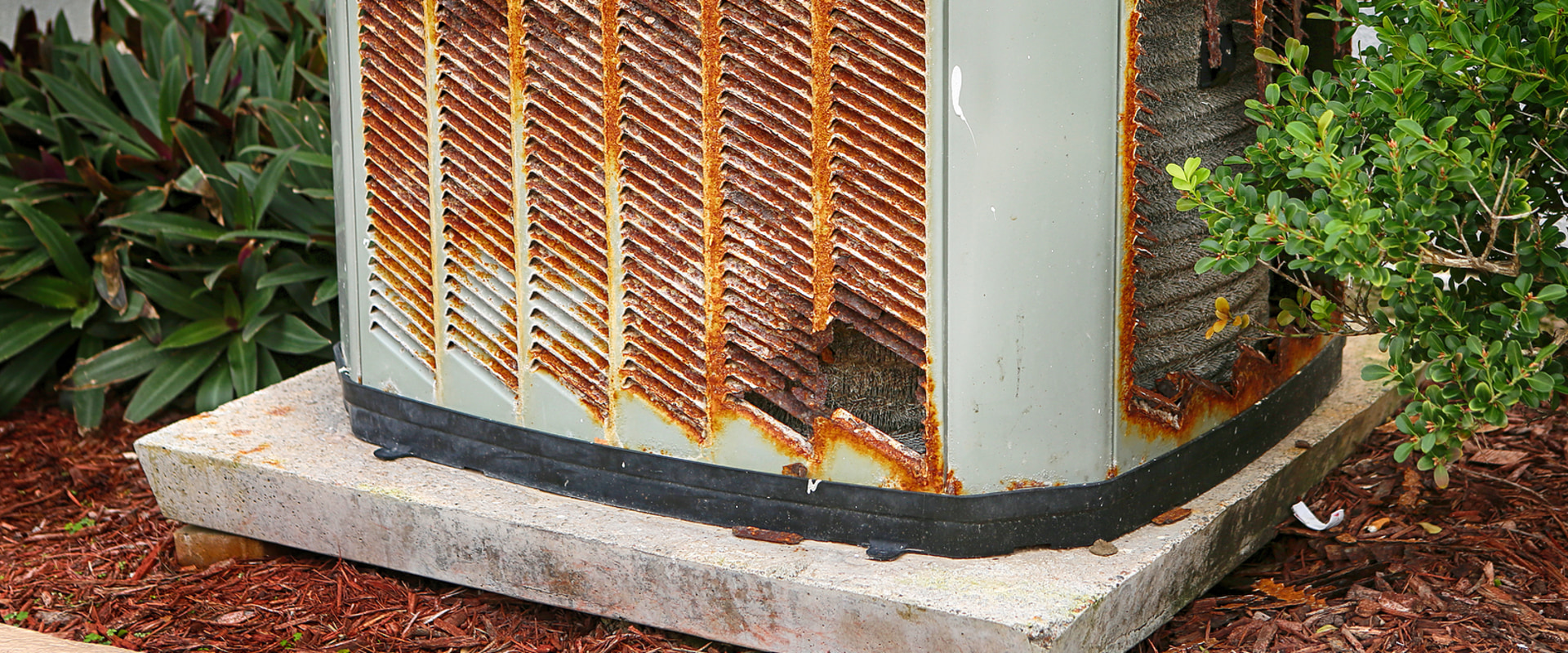
Understanding the intricacies of air conditioner repair is essential for homeowners and business owners alike. Air conditioning units are complex systems that require regular attention to function optimally. When issues arise, they can lead to discomfort, increased energy bills, and costly repairs. By familiarizing yourself with the most common AC problems and their underlying causes, you can take proactive steps to maintain your system and avoid significant disruptions.Many people underestimate the importance of routine HVAC maintenance.
Neglecting this aspect can result in a range of issues, from minor inconveniences to major system failures. For instance, a simple problem like a clogged air filter can escalate into a more serious situation if not addressed promptly. Understanding these common issues not only helps in identifying them early but also empowers you to make informed decisions about repairs and maintenance.In this section, we will delve into the various challenges that air conditioning units face, including their causes and potential solutions. By recognizing the signs of trouble early on, you can save yourself time and money while ensuring your home remains a comfortable haven during the sweltering summer months.
Whether you're dealing with inadequate cooling, strange noises, or unusual odors, knowing what to look for is the first step in effective air conditioner repair.
1.Improper Installation: The Root of Many Problems
When it comes to air conditioning systems, the significance of proper installation cannot be overstated.Improper installation
is often the root cause of many issues that homeowners face with their AC units. From reduced efficiency to complete system failures, the consequences of a poorly installed air conditioner can be both frustrating and costly.One of the most common AC installation issues arises from incorrect sizing of the unit. An air conditioner that is too small will struggle to cool the space effectively, leading to increased energy consumption and wear on the system.Conversely, an oversized unit may cool the area too quickly without adequately dehumidifying it, resulting in a clammy environment and potential mold growth.Another critical aspect of installation is ensuring that all components are correctly connected. This includes ductwork, refrigerant lines, and electrical connections. If any of these elements are improperly installed, it can lead to:
- Duct Leaks: Poorly sealed ducts can cause significant energy loss, making your system work harder and increasing your utility bills.
- Low Airflow: Blocked or incorrectly sized ducts can restrict airflow, leading to uneven cooling and increased strain on the unit.
- Refrigerant Issues: An incorrect refrigerant charge can lead to inefficient cooling and potential damage to the compressor.
They will also conduct a thorough assessment of your home to determine the appropriate size and type of unit needed.In addition to hiring qualified personnel, homeowners should also consider asking for references and checking reviews before making a decision. A reputable technician will not only provide quality installation but will also offer guidance on maintenance practices that can prolong the life of your AC unit.In conclusion, avoiding improper installation is crucial for maintaining an efficient and effective air conditioning system. By investing in professional installation services, you can prevent a host of problems that could lead to costly repairs down the line. Remember, a well-installed air conditioner not only enhances comfort but also contributes to energy savings and longevity of the system.
2.Inadequate Maintenance: Keeping Your AC Running Smoothly
Regular maintenance of your air conditioning unit is not just a good practice; it is essential for ensuring its longevity and efficiency.Neglecting this aspect can lead to a host of problems, including reduced cooling performance, increased energy bills, and even complete system failure. Here are some key reasons why AC maintenance is crucial:
- Improved Efficiency: A well-maintained AC unit operates more efficiently, which translates to lower energy costs. Regular maintenance helps keep the system clean and free from obstructions that can hinder airflow.
- Extended Lifespan: Just like any other appliance, your air conditioner has a lifespan that can be significantly extended with proper care. Routine checks and servicing can help identify potential issues before they escalate into major repairs.
- Enhanced Air Quality: A clean AC unit contributes to better indoor air quality.
Regularly changing filters and cleaning components can reduce allergens and pollutants circulating in your home.
- Change or Clean Filters Regularly: One of the simplest yet most effective maintenance tasks is to check and replace or clean the air filters every 1-3 months. Clogged filters restrict airflow and force the system to work harder.
- Inspect the Condenser Coils: The outdoor condenser coils should be free from debris such as leaves, dirt, and grass clippings. Cleaning these coils at least once a year can improve efficiency and prevent overheating.
- Check the Drain Line: Ensure that the condensate drain line is clear to prevent water buildup, which can lead to mold growth and water damage. Flushing the drain line with a mixture of vinegar and water can help keep it clear.
- Schedule Professional Maintenance: While DIY maintenance is important, having a qualified technician perform a thorough inspection at least once a year is crucial.
They can identify issues that may not be visible to the untrained eye.
- Monitor Thermostat Settings: Ensure that your thermostat is functioning correctly. Consider upgrading to a programmable thermostat for better control over your cooling schedule, which can also save energy.
3.Refrigerant Leaks: Identifying and Addressing the Issue
Refrigerant leaks are a significant concern for air conditioning systems, as they can severely impact the unit's cooling efficiency and overall performance. Understanding how to identify these leaks and address them promptly is crucial for maintaining a comfortable indoor environment.Signs of Refrigerant Leaks
- Reduced Cooling Efficiency: One of the first signs of a refrigerant leak is a noticeable decrease in the cooling capacity of your AC unit.
If your system struggles to maintain the desired temperature, it may be due to insufficient refrigerant levels.
- Ice Formation: If you notice ice accumulating on the evaporator coils or refrigerant lines, this could indicate a refrigerant leak. Low refrigerant levels can cause the coils to become too cold, leading to ice buildup.
- Unusual Hissing or Bubbling Sounds: A refrigerant leak may produce distinct hissing or bubbling noises as the refrigerant escapes from the system. If you hear these sounds, it’s essential to investigate further.
- Increased Energy Bills: If your energy bills have spiked unexpectedly, it could be due to your AC unit working harder to compensate for low refrigerant levels. This increased workload can lead to higher operational costs.
How to Fix Refrigerant Leaks
If you suspect a refrigerant leak, it’s important to take action quickly.
Here are the steps you should follow:
- Turn Off Your AC Unit: To prevent further damage, immediately turn off your air conditioning system. Continuing to run the unit can exacerbate the leak and lead to more extensive repairs.
- Contact a Professional Technician: Refrigerant handling requires specialized knowledge and certification. Reach out to a qualified HVAC technician who can accurately diagnose and repair the leak.
- Leak Detection: The technician will use various methods, such as electronic leak detectors or UV dye, to locate the source of the leak. Identifying the exact location is crucial for effective repair.
- Repair or Replace Components: Depending on the severity of the leak, the technician may need to repair or replace damaged components, such as coils or fittings.
Ensure that all repairs are performed according to industry standards.
- Recharge Refrigerant: After addressing the leak, your technician will recharge your AC unit with the appropriate amount of refrigerant, ensuring it operates efficiently once again.
4.Electrical Failures: Understanding the Risks
Electrical failures are among the most critical issues that can affect the performance of your air conditioning unit. These problems can lead to significant operational disruptions and, in some cases, pose safety risks. Understanding the common electrical issues that can arise in AC systems is essential for homeowners to ensure their units operate efficiently and safely.Common Electrical Issues in Air Conditioners
- Blown Fuses: One of the most frequent electrical problems is a blown fuse.
This can occur when the AC unit draws more current than the circuit can handle, often due to a malfunctioning component or a short circuit. When a fuse blows, it interrupts the power supply to the unit, causing it to stop working.
- Tripped Circuit Breakers: Similar to blown fuses, tripped circuit breakers can indicate an overload or short circuit within the system. If your AC unit frequently trips the breaker, it may be a sign of underlying electrical issues that need immediate attention.
- Faulty Wiring: Over time, wiring can become damaged due to wear and tear, exposure to moisture, or pest infestations. Faulty wiring can lead to inconsistent power supply, which may cause the AC unit to malfunction or even create fire hazards.
- Capacitor Failures: The capacitor is a crucial component that helps start the compressor and fan motors.
If it fails, the AC unit may not turn on at all or may struggle to operate efficiently.
Troubleshooting Electrical Problems
If you suspect electrical issues with your air conditioning unit, there are a few troubleshooting steps you can take:
- Check the thermostat settings to ensure they are correctly configured.
- Inspect the circuit breaker and fuses for any signs of damage or tripping.
- Look for any visible signs of wear on wiring or connections.
- If you feel comfortable doing so, reset the circuit breaker or replace blown fuses.
The Importance of Professional Help
While some minor troubleshooting can be performed by homeowners, it is crucial to recognize when professional help is needed. Electrical repairs require specialized knowledge and tools to ensure safety and compliance with local codes. Attempting to fix complex electrical issues without proper training can lead to further damage or personal injury.In conclusion, understanding electrical failures in air conditioning units is vital for maintaining their efficiency and safety. Regular inspections by qualified HVAC professionals can help identify potential electrical problems before they escalate into costly repairs or hazardous situations.
5.Clogged Filters and Coils: The Impact on Efficiency
One of the most common yet often overlooked issues affecting air conditioning units is the presence of clogged filters and coils.These components play a crucial role in maintaining the efficiency and effectiveness of your AC system. When filters and coils become dirty or blocked, they can significantly hinder airflow, leading to a cascade of problems that can affect both comfort and energy consumption.
Understanding Clogged Filters
The air filter in your AC unit is designed to trap dust, dirt, and other airborne particles, preventing them from entering the system. Over time, these filters can become clogged with debris, which restricts airflow. This restriction forces the AC unit to work harder to circulate air, resulting in increased energy consumption and higher utility bills.Moreover, a dirty filter can lead to a range of issues including:
- Reduced Efficiency: A clogged filter can cause the system to operate less efficiently, leading to inadequate cooling.
- Increased Wear and Tear: The extra strain on the system can lead to premature wear on components, potentially resulting in costly repairs.
- Poor Indoor Air Quality: Dirty filters allow pollutants to circulate in your home, which can exacerbate allergies and respiratory issues.
Cleaning and Replacing Filters
To maintain optimal performance, it is essential to regularly clean or replace your AC filters.
Depending on usage and environmental factors, filters should typically be checked every month and replaced every 1-3 months. If you have pets or live in a dusty area, more frequent changes may be necessary.
The Role of Coils
In addition to filters, the evaporator and condenser coils are vital components that require attention. These coils absorb heat from the indoor air and release it outside. When they become dirty, their ability to transfer heat diminishes, leading to inefficient cooling.Dirty coils can result in:
- Higher Energy Costs: Just like clogged filters, dirty coils force the system to work harder, increasing energy bills.
- System Overheating: If coils are not cleaned regularly, they can overheat and cause the compressor to fail.
- Shortened Lifespan: Neglecting coil maintenance can lead to significant damage over time, reducing the overall lifespan of your AC unit.
Cleaning Coils
Coils should be inspected at least once a year during routine maintenance.
Cleaning them involves removing any debris or dirt buildup using a soft brush or a specialized coil cleaner. For those uncomfortable performing this task themselves, hiring a professional HVAC technician is advisable.In conclusion, maintaining clean filters and coils is essential for ensuring your air conditioning unit operates efficiently. Regular checks and timely replacements not only enhance performance but also extend the lifespan of your system while improving indoor air quality. By prioritizing these maintenance tasks, you can avoid costly repairs and enjoy a comfortable living environment all summer long.
6.Thermostat Issues: Ensuring Accurate Temperature Control
The thermostat is a critical component of your air conditioning system, acting as the control center for temperature regulation.When it malfunctions, it can lead to inefficient cooling and increased energy costs. Understanding common thermostat issues and how to address them is essential for maintaining a comfortable indoor environment.
Common Thermostat Problems
- Incorrect Temperature Readings: One of the most prevalent issues is inaccurate temperature readings. If your thermostat displays a temperature that doesn’t match the actual room temperature, it may cause the AC unit to run longer than necessary or not turn on at all.
- Unresponsive Thermostat: Sometimes, the thermostat may become unresponsive, failing to register changes in temperature settings. This can be due to dead batteries, wiring issues, or internal component failures.
- Calibration Issues: Over time, thermostats can lose their calibration.
A poorly calibrated thermostat may not trigger the AC unit at the right times, leading to discomfort and inefficiency.
Signs of a Faulty Thermostat
Recognizing the signs of a faulty thermostat can help you address issues before they escalate:- Inconsistent Temperatures: If you notice that some rooms are significantly warmer or cooler than others, your thermostat may not be functioning correctly.
- Frequent Cycling: An AC unit that frequently turns on and off may indicate that the thermostat is misreading temperatures.
- High Energy Bills: Unexpected spikes in your energy bills can be a sign that your AC is working harder than it should due to thermostat issues.
Troubleshooting and Fixing Thermostat Issues
If you suspect that your thermostat is causing problems, here are some steps you can take to troubleshoot and resolve these issues:- Check the Batteries: If your thermostat is battery-operated, start by replacing the batteries. This simple step can often resolve unresponsiveness.
- Inspect Wiring Connections: Ensure that all wiring connections are secure and free from corrosion. Loose or damaged wires can lead to inaccurate readings or complete failure.
- Clean the Thermostat: Dust and debris can accumulate on the thermostat, affecting its performance. Gently clean it with a soft cloth to ensure accurate readings.
- Recalibrate the Thermostat: If you suspect calibration issues, consult your user manual for instructions on how to recalibrate your specific model.
- Consult a Professional: If troubleshooting does not resolve the issue, it may be time to call an HVAC technician.
They can diagnose more complex problems and recommend repairs or replacements as needed.
7.Unusual Noises: What They Indicate About Your AC Unit
Air conditioning units are designed to operate quietly, so when you start hearing unusual noises, it can be a cause for concern. These sounds often indicate underlying issues that require immediate attention. Understanding what these noises mean can help you diagnose potential problems and take appropriate action before they escalate.Here are some common unusual noises you might hear from your AC unit and what they could signify:- Banging or Clanking: This sound may suggest that there are loose or broken components within the unit, such as a fan blade or a motor mount. If left unaddressed, these issues can lead to further damage and costly repairs.
- Hissing: A hissing noise could indicate a refrigerant leak.
This not only affects the efficiency of your AC but can also pose environmental hazards. If you hear this sound, it’s crucial to contact a professional for an inspection.
- Squealing: A high-pitched squeal often points to a problem with the fan belt or motor bearings. This noise can indicate that the components are wearing out and may need lubrication or replacement.
- Buzzing: A buzzing sound might suggest electrical issues, such as a failing capacitor or contactor. This is a serious concern that requires immediate attention to prevent potential fire hazards.
- Gurgling: If you hear gurgling sounds, it may indicate that there is trapped air in the refrigerant lines or that the condensate drain is clogged.
Both issues can lead to inefficient cooling and water damage.
8.Seasonal Preparation: Getting Your AC Ready for Summer
As summer approaches, ensuring that your air conditioning unit is ready for the heat is essential for maintaining comfort in your home.Proper seasonal preparation can significantly enhance the efficiency and longevity of your AC system. Here are some crucial steps to take when getting your air conditioner ready for the summer months.
- Inspect and Replace Air Filters: One of the simplest yet most effective ways to prepare your AC for summer is to check the air filters. Dirty or clogged filters can restrict airflow, causing your system to work harder and consume more energy. Aim to replace or clean your filters at least once a month during peak usage times.
- Clear the Surrounding Area: Ensure that the area around your outdoor unit is free from debris, such as leaves, dirt, and branches.
A clear space allows for proper airflow and prevents overheating. Trim any nearby shrubs or plants to maintain at least two feet of clearance around the unit.
- Check the Thermostat: Before the hot weather hits, test your thermostat to ensure it’s functioning correctly. If you have a programmable thermostat, consider setting it to adjust temperatures automatically based on your schedule. This can help save energy while keeping your home comfortable.
- Examine Ductwork: Inspect your ductwork for any signs of leaks or damage.
Leaky ducts can lead to significant energy loss and reduced cooling efficiency. If you notice any issues, consider sealing them with duct tape or hiring a professional for repairs.
- Schedule Professional Maintenance: While there are many tasks you can handle yourself, scheduling a professional maintenance check is highly recommended. A qualified technician can perform a thorough inspection, clean critical components, and identify potential issues before they become major problems.
By investing time in these preparations, you can enjoy a cool and comfortable home all season long.
<strong>Conclusion</strong>: Key Takeaways for Air Conditioner Care and Repair
In summary, maintaining the efficiency and longevity of your air conditioning unit is crucial for both comfort and cost-effectiveness. Throughout this article, we have explored several common issues that can arise with AC units, as well as effective strategies to prevent them. Here are the key takeaways to keep in mind:- Proper Installation is Essential: The foundation of a well-functioning air conditioning system begins with its installation. Always hire qualified professionals who have a proven track record in HVAC installations.
This will help avoid problems such as duct leaks and improper refrigerant levels.
- Regular Maintenance is Non-Negotiable: Schedule routine maintenance checks at least once a year. This proactive approach allows technicians to identify and resolve minor issues before they escalate into costly repairs.
- Air Filter Care: A clean air filter is vital for optimal airflow and energy efficiency. Make it a habit to check and replace your air filter every 1-3 months, especially during peak usage seasons.
- Monitor Refrigerant Levels: Ensure that your AC unit has the correct amount of refrigerant. Low levels can lead to inefficient cooling and increased energy costs.
If you suspect a refrigerant leak, contact a professional immediately.
- Be Aware of Warning Signs: Pay attention to unusual noises, fluctuating temperatures, or increased energy bills. These can be indicators of underlying issues that require immediate attention.