Understanding your HVAC system is essential for maintaining a comfortable and efficient home environment. HVAC stands for heating, ventilation, and air conditioning, and it encompasses a variety of components that work together to regulate indoor temperature and air quality. By familiarizing yourself with the basic elements of your HVAC system, you can better recognize potential issues before they escalate into costly repairs. At the heart of any HVAC system are its primary components: the furnace or heater, the air conditioner, the ductwork, and the thermostat. The furnace generates heat during colder months, while the air conditioner cools the air in warmer seasons.
The ductwork serves as the network through which conditioned air is distributed throughout your home, and the thermostat acts as the control center, allowing you to set your desired temperature. Understanding how these components interact is crucial for effective maintenance. Moreover, HVAC systems operate on principles of thermodynamics and fluid dynamics. When you adjust your thermostat, it signals the system to either heat or cool your home. The air conditioner uses refrigerant to absorb heat from inside your home and expel it outside, while the furnace burns fuel or uses electricity to generate warmth.
This cycle continues until your home reaches the desired temperature. By grasping these fundamental concepts, homeowners can appreciate the importance of regular maintenance and timely repairs to ensure their HVAC systems function optimally.
Common HVAC Problems and Their Causes
Understanding the common problems that can arise in HVAC systems is essential for homeowners looking to maintain a comfortable living environment. By identifying these issues early, you can take proactive steps to prevent costly air conditioner repairs and ensure your system operates efficiently.1.Dirty Air Filters
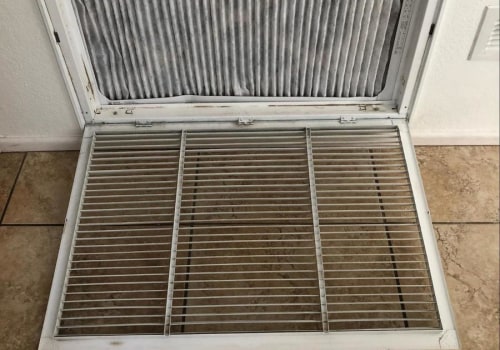
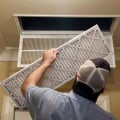
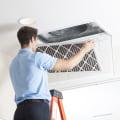
One of the most prevalent issues affecting HVAC systems is dirty air filters. These filters play a crucial role in trapping dust, pollen, and other airborne particles, preventing them from circulating through your home.
When filters become clogged, they restrict airflow, forcing your system to work harder to maintain the desired temperature. This not only leads to increased energy consumption but can also cause overheating and premature wear on components.
2.Faulty Thermostats
Your thermostat is the brain of your HVAC system, regulating temperature based on your settings. A malfunctioning thermostat can lead to inconsistent heating or cooling, resulting in discomfort and higher energy bills. Common signs of a faulty thermostat include unresponsive controls, inaccurate temperature readings, or the system running continuously without reaching the set temperature.
3.Ignition System Issues
The ignition system is vital for heating systems that rely on gas or oil.
If your HVAC system fails to ignite or produce heat, it may be due to a malfunctioning ignition system or pilot light. Regular checks and maintenance can help identify these issues before they escalate into more significant problems.
4.Refrigerant Leaks
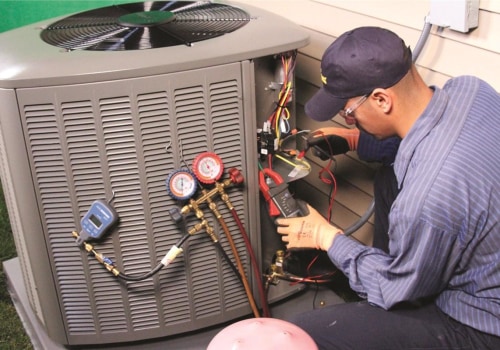
Refrigerant is essential for cooling your home effectively. A leak in the refrigerant lines can lead to reduced cooling efficiency and increased energy costs. Signs of a refrigerant leak include ice buildup on the evaporator coils or a hissing sound near the refrigerant lines.
If you suspect a leak, it’s crucial to contact a professional technician immediately.
5.Electrical Component Failures
HVAC systems rely on various electrical components, including capacitors, contactors, and circuit boards. Over time, these parts can wear out or fail due to age or power surges. Symptoms of electrical issues may include strange noises, frequent tripping of circuit breakers, or complete system shutdowns.By being aware of these common HVAC problems and their causes, homeowners can take preventive measures such as regular maintenance checks and timely repairs. This proactive approach not only enhances comfort but also extends the lifespan of your HVAC system.
The Importance of Regular Maintenance
Regular maintenance of your HVAC system is not just a good practice; it is essential for ensuring optimal performance and longevity.By scheduling routine check-ups, homeowners can significantly reduce the likelihood of unexpected breakdowns and costly repairs. Here are some key reasons why regular maintenance is crucial for your HVAC system:
- Prevention of Major Issues: Just like any other mechanical system, HVAC units can develop problems over time. Regular maintenance allows technicians to identify and address minor issues before they escalate into major repairs. For instance, a small refrigerant leak can lead to compressor failure if not detected early.
- Improved Energy Efficiency: An HVAC system that is well-maintained operates more efficiently.
Clogged filters, dirty coils, and other neglected components force the system to work harder, consuming more energy and increasing utility bills. Regular maintenance ensures that your system runs at peak efficiency, saving you money in the long run.
- Extended Lifespan: HVAC systems are a significant investment for homeowners. Routine maintenance can extend the lifespan of your unit by several years. By keeping components clean and well-lubricated, you reduce wear and tear, allowing your system to function effectively for a longer period.
- Enhanced Indoor Air Quality: A well-maintained HVAC system contributes to better indoor air quality.
Regularly changing filters and cleaning ducts help eliminate dust, allergens, and pollutants from circulating in your home. This is particularly important for families with allergies or respiratory issues.
- Warranty Compliance: Many HVAC manufacturers require regular maintenance to keep warranties valid. Failing to adhere to these guidelines could void your warranty, leaving you responsible for repair costs that could have been covered.
During these visits, professionals will check refrigerant levels, inspect electrical connections, clean coils, and ensure that all components are functioning correctly.In conclusion, investing in regular maintenance for your HVAC system is a proactive approach that pays off in numerous ways. From preventing costly repairs to enhancing energy efficiency and indoor air quality, routine upkeep is essential for maintaining a comfortable and healthy living environment.
Air Filter Management: A Key Preventative Measure
Air filters play a crucial role in the efficiency and longevity of your HVAC system. They are designed to trap dust, pollen, pet dander, and other airborne particles, preventing them from circulating throughout your home. However, when these filters become clogged with debris, they can significantly hinder airflow, leading to increased energy consumption and potential damage to your system.How Often Should You Replace Air Filters?
The frequency of air filter replacement depends on several factors, including the type of filter you use, the level of pollutants in your environment, and how often your HVAC system runs.
As a general guideline:
- For standard fiberglass filters, replace them every 30 days.
- For pleated filters, which offer better filtration, aim for every 3 months.
- If you have pets or live in a dusty area, consider replacing filters every month.
- High-efficiency particulate air (HEPA) filters can last up to 6 months but should be checked regularly.
Tips for Maintaining Clean Air Filters
To ensure optimal performance from your HVAC system, follow these maintenance tips:
- Regular Inspections: Check your air filters monthly. If they appear dirty or clogged, it’s time for a replacement.
- Choose the Right Filter: Invest in high-quality filters that suit your HVAC system. Look for filters with a higher MERV (Minimum Efficiency Reporting Value) rating for better filtration.
- Keep the Area Clean: Regularly vacuum and dust around your HVAC unit to minimize the amount of dirt that can enter the system.
- Consider Upgrading: If you find yourself frequently replacing filters, consider upgrading to a more efficient filter or an air purification system that can reduce the load on your HVAC system.
Make it a habit to check and replace your air filters regularly; your HVAC system—and your lungs—will thank you!
Thermostat Troubles: How to Avoid Common Issues
The thermostat is a critical component of your HVAC system, acting as the brain that regulates temperature and ensures comfort in your home. However, like any other device, thermostats can encounter issues that may lead to inefficient heating or cooling, increased energy bills, and overall discomfort. Understanding common thermostat problems and how to maintain them can help you avoid costly repairs and ensure your HVAC system operates smoothly.Common Thermostat Problems
- Inaccurate Temperature Readings: One of the most frequent issues is when a thermostat fails to accurately read the temperature. This can lead to your HVAC system running longer than necessary or not turning on at all.
If you notice that your home feels warmer or cooler than the set temperature, it may be time to recalibrate or replace your thermostat.
- Unresponsive Controls: If your thermostat is unresponsive to adjustments, it could be due to dead batteries (for battery-operated models) or a malfunctioning circuit board. Regularly check and replace batteries as needed, and consider professional help if the issue persists.
- Faulty Wiring: Loose or damaged wiring can cause erratic behavior in your thermostat. If you notice flickering displays or inconsistent temperature control, inspect the wiring for any visible damage. It’s advisable to consult an HVAC technician for repairs.
- Location Issues: The placement of your thermostat can significantly impact its performance.
If it’s located near heat sources like windows, doors, or appliances, it may not provide accurate readings. Ensure that your thermostat is installed in a central location away from direct sunlight and drafts.
Signs of a Faulty Thermostat
Being aware of the signs that indicate a faulty thermostat can save you from further complications:
- Inconsistent Temperatures: If different rooms in your home have varying temperatures despite being set to the same level, this could signal a problem with the thermostat.
- HVAC System Cycling On and Off: Frequent cycling can indicate that the thermostat is malfunctioning and not accurately detecting the temperature.
- Display Issues: A blank screen or flickering display often points to battery issues or electrical problems.
Thermostat Maintenance Tips
To keep your thermostat functioning optimally, consider these maintenance tips:
- Regular Cleaning: Dust and debris can accumulate on the thermostat over time. Gently clean it with a soft cloth to ensure accurate readings.
- Check Batteries: For battery-operated models, replace batteries at least once a year to prevent unexpected failures.
- Schedule Professional Inspections: Having an HVAC technician inspect your system annually can help identify potential issues before they escalate.
Identifying Unusual Noises: What They Mean for Your System
Homeowners often overlook the sounds emitted by their HVAC systems, but these noises can be crucial indicators of underlying issues.Recognizing and understanding these sounds can help you identify potential problems early, allowing for timely repairs and preventing costly breakdowns.Here are some common HVAC noises and what they might signify:
- Banging or Clanging: This sound may indicate loose or damaged components within the system. It could be a sign of a malfunctioning blower motor or a loose fan blade. Ignoring this noise can lead to more severe damage, so it’s essential to have it checked by a professional.
- Squealing: A high-pitched squeal often points to a problem with the fan belt or motor bearings. If the fan belt is worn out, it may need replacement.
Additionally, squealing can indicate that the motor is struggling, which could lead to overheating if not addressed.
- Hissing: A hissing sound can be indicative of a refrigerant leak or an issue with the expansion valve. If you hear this noise, it’s crucial to contact an HVAC technician immediately, as refrigerant leaks can affect system efficiency and pose health risks.
- Clicking: While some clicking sounds are normal during startup or shutdown, persistent clicking may suggest an electrical issue or a problem with the thermostat. If the clicking continues, it’s advisable to have your system inspected.
- Rattling: Rattling noises often indicate loose parts within the unit. This could be anything from screws to ductwork that has come loose.
Addressing rattling promptly can prevent further damage and ensure your system operates efficiently.
Seasonal Preparation: Getting Your HVAC Ready for Each Season
Preparing your HVAC system for the changing seasons is essential to ensure optimal performance and efficiency.By taking proactive steps, you can prevent common issues that arise during extreme temperatures. Below are detailed checklists for both summer and winter preparations.
Summer Preparation Checklist
- Inspect and Replace Air Filters: Clogged filters can significantly reduce airflow and efficiency. Check your air filters monthly and replace them every 1-3 months, especially before the peak summer heat.
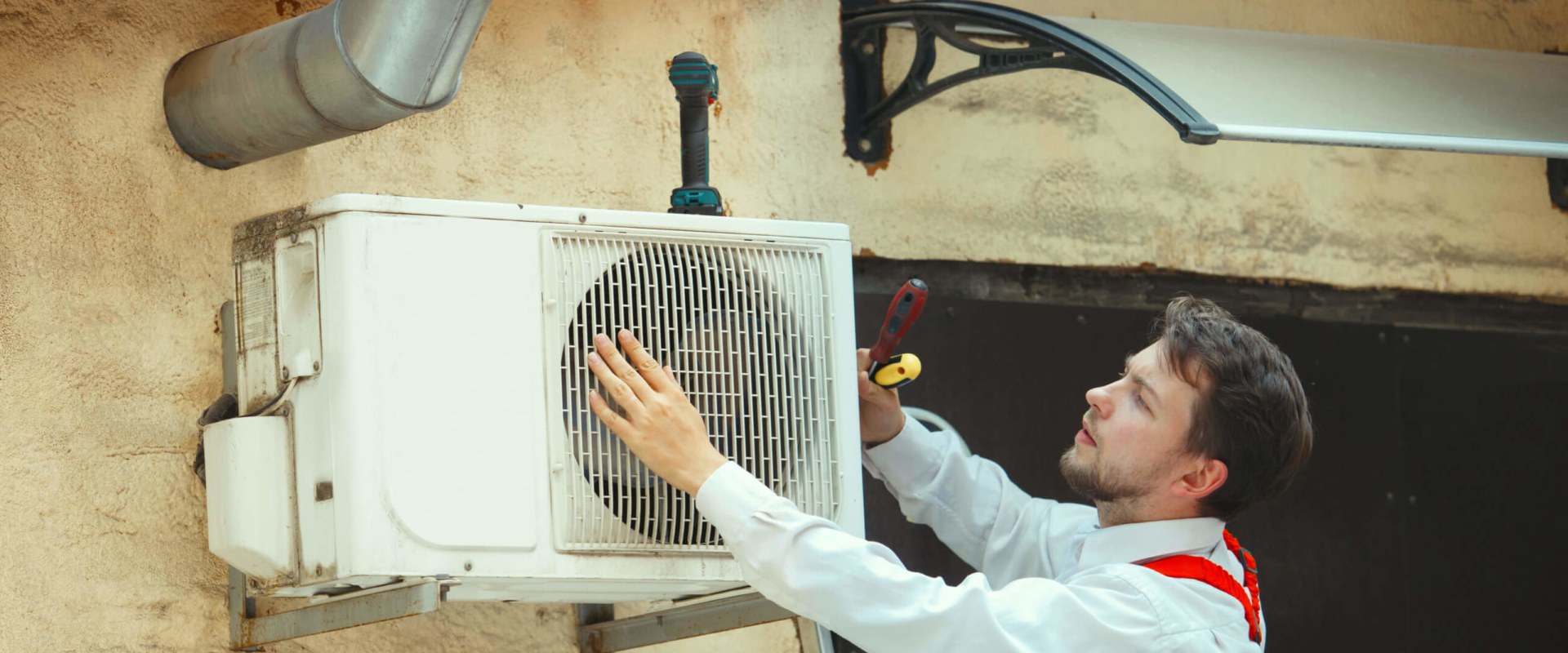
- Clean the Outdoor Unit: Remove any debris, leaves, or dirt from around the outdoor condenser unit. Ensure there’s at least two feet of clearance around the unit for proper airflow.
- Check Refrigerant Levels: Low refrigerant levels can lead to inadequate cooling.
If you suspect a leak or low levels, contact a professional to inspect and recharge your system.
- Test the Thermostat: Ensure your thermostat is functioning correctly by setting it to a lower temperature and observing if the system responds appropriately. Consider upgrading to a programmable thermostat for better energy management.
- Schedule a Professional Tune-Up: A seasonal inspection by an HVAC technician can identify potential issues before they become major problems, ensuring your system runs efficiently throughout the summer.
Winter Preparation Checklist
- Inspect and Replace Air Filters: Just like in summer, maintaining clean air filters is crucial in winter to ensure proper airflow and heating efficiency.
- Check Ductwork for Leaks: Inspect your ductwork for any gaps or leaks that could allow heated air to escape. Sealing these leaks can improve heating efficiency and reduce energy costs.
- Clean the Furnace: Dust and debris can accumulate in your furnace over time. Clean it thoroughly to prevent any blockages that could hinder performance.
- Test Carbon Monoxide Detectors: If you have a gas furnace, ensure that carbon monoxide detectors are installed and functioning properly to keep your home safe during the winter months.
- Schedule a Professional Inspection: Just as with summer, having a professional check your heating system before winter can help catch any issues early, ensuring reliable warmth when you need it most.
Regular maintenance not only extends the life of your system but also enhances its efficiency, saving you money on energy bills.
When to Call a Professional: Signs You Need Expert Help
Understanding when to call a professional for your HVAC system is crucial in maintaining its efficiency and longevity. While some minor issues can be resolved with basic troubleshooting, there are specific signs that indicate the need for expert intervention. Ignoring these signs can lead to more significant problems and costly repairs down the line.1.Unusual Noises
If your HVAC system starts making strange noises, such as grinding, squealing, or banging, it’s a clear signal that something is amiss. These sounds often indicate mechanical issues that require professional attention.
For instance, a grinding noise could suggest that the motor bearings are failing, while a banging sound might point to loose components within the system.
2.Inconsistent Temperatures
Are certain rooms in your home significantly warmer or cooler than others? Inconsistent temperatures can be a sign of ductwork issues or a malfunctioning thermostat. A professional HVAC technician can assess the situation and ensure that your system is distributing air evenly throughout your home.
3.Frequent Cycling
If your air conditioner or heater turns on and off frequently, this is known as short cycling. This issue not only affects your comfort but can also lead to increased energy bills and wear on your system. A qualified technician can diagnose the underlying cause, which may include an oversized unit or a malfunctioning thermostat.
4.High Energy Bills
Noticing a sudden spike in your energy bills? This could indicate that your HVAC system is working harder than it should due to inefficiencies or malfunctions.
A professional can perform an energy audit to identify areas where your system may be losing efficiency and recommend necessary repairs or upgrades.
5.Poor Air Quality
If you notice an increase in dust, allergens, or unpleasant odors in your home, it may be time to call an HVAC expert. Poor air quality can stem from dirty filters, ductwork issues, or even mold growth within the system. Professionals can clean and maintain your HVAC system to improve indoor air quality.
6.System Age
If your HVAC system is over 10-15 years old and you’re experiencing frequent issues, it may be more cost-effective to replace it rather than continue with repairs. An HVAC technician can help you evaluate whether repair or replacement is the best option based on the age and condition of your system.In summary, being aware of these signs can help you determine when it’s time to seek professional help for your HVAC system.
Addressing issues early on not only enhances comfort but also extends the lifespan of your equipment and saves you money in the long run.
Energy Efficiency Tips: Saving Money While Maintaining Comfort
Improving the energy efficiency of your HVAC system is not only beneficial for your wallet but also for the environment. Here are some practical tips to enhance your HVAC efficiency while keeping your home comfortable.- Regular Maintenance: Schedule annual maintenance checks with a qualified HVAC technician. Regular tune-ups can identify potential issues before they become costly repairs and ensure that your system operates at peak efficiency.
- Upgrade to a Programmable Thermostat: A programmable thermostat allows you to set specific temperatures for different times of the day. This means you can reduce heating or cooling when you're not home, significantly lowering your energy bills.
- Seal Ducts and Insulate: Leaky ducts can waste a significant amount of energy.
Ensure that your ductwork is properly sealed and insulated to prevent conditioned air from escaping. This will help maintain consistent temperatures throughout your home.
- Use Ceiling Fans Wisely: Ceiling fans can help circulate air, making it feel cooler in the summer and warmer in the winter. In summer, run fans counterclockwise to create a cooling breeze, and in winter, switch them to clockwise to push warm air down.
- Invest in Energy-Efficient Equipment: If your HVAC system is over ten years old, consider upgrading to a more energy-efficient model. Look for units with the ENERGY STAR label, which indicates they meet strict energy efficiency guidelines.
- Keep Vents Clear: Ensure that furniture, curtains, or other objects do not block vents.
Unobstructed airflow allows your HVAC system to work more efficiently and maintain comfort levels more effectively.
- Utilize Natural Ventilation: Take advantage of cooler evenings by opening windows to allow fresh air in. This can reduce reliance on air conditioning during mild weather.
- Insulate Your Home: Proper insulation in walls, attics, and basements helps keep conditioned air inside. This reduces the workload on your HVAC system and leads to lower energy costs.
Conclusion: Key Takeaways for Preventing Common HVAC Repairs
In summary, maintaining a well-functioning HVAC system is essential for ensuring comfort and efficiency in your home.By implementing the expert tips discussed throughout this article, you can significantly reduce the likelihood of encountering common HVAC repairs, particularly those related to air conditioner repair.
Regular Maintenance is Key
- Schedule routine inspections with a qualified HVAC technician at least once a year. This proactive approach allows for early detection of potential issues before they escalate into costly repairs.
- Keep your system clean by regularly checking and replacing air filters. A clean filter not only improves airflow but also enhances indoor air quality.
Stay Attentive to System Performance
- Monitor your HVAC system for any unusual noises or changes in performance. Strange sounds can indicate underlying problems that need immediate attention.
- Pay attention to your thermostat settings and functionality.
A malfunctioning thermostat can lead to inefficient heating or cooling, resulting in increased energy bills.
Educate Yourself on Common Issues
- Familiarize yourself with the common signs of HVAC problems, such as inconsistent temperatures or increased energy consumption. Understanding these indicators can help you act quickly.
- Learn about the components of your HVAC system, including the ignition system and pilot light, to better understand when professional help is needed.