Understanding the costs associated with air conditioner repair is essential for homeowners who want to maintain a comfortable living environment without breaking the bank. The reality is that air conditioning systems are intricate machines, and when they malfunction, the expenses can quickly add up. From minor fixes to major overhauls, knowing what influences these costs can empower you to make informed decisions about your HVAC system. Several factors play a crucial role in determining the price of air conditioner repairs. First and foremost, the type of issue at hand significantly impacts the overall cost.
For instance, a simple refrigerant recharge will typically be less expensive than replacing a faulty compressor or a damaged coil. Additionally, the age and brand of your unit can also affect repair prices; older models may require more specialized parts that are harder to find, while certain brands are known for their reliability and lower maintenance costs. Another important aspect to consider is the labor involved in the repair process. Technicians often charge varying rates based on their experience, location, and the complexity of the job. Furthermore, emergency repairs or after-hours service calls can lead to higher fees.
Understanding these elements not only helps you anticipate potential costs but also allows you to budget effectively for necessary repairs. In summary, being aware of the various factors that influence air conditioner repair costs can save you time and money in the long run. By recognizing the signs of trouble early and understanding what contributes to repair expenses, you can take proactive steps to ensure your air conditioning system remains efficient and reliable.
Common Air Conditioner Issues and Their Costs
Air conditioning units, while essential for comfort during hot months, can encounter a variety of issues that may require repair. Understanding these common problems and their associated costs can help homeowners budget for potential repairs and maintain their systems effectively.1.Refrigerant Leaks
One of the most prevalent issues with air conditioners is refrigerant leaks. When the refrigerant level drops, the system struggles to cool the air effectively.Signs of a refrigerant leak include hissing sounds, ice buildup on the coils, and warm air blowing from the vents. Repairing a refrigerant leak typically costs between $200 and $1,500, depending on the severity of the leak and whether a refrigerant recharge is necessary.
2.Faulty Thermostat
A malfunctioning thermostat can lead to inconsistent temperatures and inefficient cooling. If your air conditioner is not responding to temperature changes or is cycling on and off frequently, it may be time to replace the thermostat. The cost for thermostat replacement generally ranges from $100 to $300, including parts and labor.3.Clogged Drain Line
Over time, the drain line can become clogged with dirt, algae, or mold, leading to water damage and increased humidity levels in your home.Homeowners may notice water pooling around the unit or hear gurgling sounds. Clearing a clogged drain line usually costs between $75 and $250, depending on accessibility and labor.
4.Compressor Issues
The compressor is often considered the heart of an air conditioning system. If it fails, it can be one of the most expensive repairs, costing anywhere from $1,500 to $2,500. Symptoms of compressor failure include strange noises, reduced cooling efficiency, or complete system shutdown.5.Electrical Problems
Electrical issues such as faulty wiring or blown fuses can prevent your air conditioner from functioning properly.These problems can be tricky to diagnose without professional help. Repair costs for electrical issues typically range from $100 to $500, depending on the complexity of the problem.
6.Dirty Filters and Coils
Neglecting regular maintenance can lead to dirty filters and coils, which significantly reduce efficiency and airflow. Homeowners should replace filters every 1-3 months and clean coils annually. The cost for cleaning or replacing filters is relatively low, usually between $20 and $100, but neglecting this can lead to more costly repairs down the line.By being aware of these common air conditioner issues and their potential repair costs, homeowners can take proactive steps to maintain their systems and avoid unexpected expenses.The Role of the Compressor in Air Conditioning Systems
The compressor is often regarded as the heart of an air conditioning system, playing a pivotal role in its overall functionality.This component is responsible for compressing the refrigerant and circulating it through the system, enabling the heat exchange process that cools your home. Understanding the importance of the compressor can help homeowners appreciate why air conditioner compressor repair or replacement can be particularly costly.When the compressor operates, it takes in low-pressure refrigerant gas from the evaporator coil and compresses it into a high-pressure gas. This high-pressure gas then flows to the condenser coil, where it releases heat and transforms back into a liquid state. This cycle is essential for maintaining a comfortable indoor environment, and any malfunction in this process can lead to significant issues.
Why Compressor Repairs Are Costly
Repairing or replacing a compressor can be one of the most expensive aspects of air conditioner maintenance.Several factors contribute to these high costs:
- Complexity of Repair: Compressors are intricate devices that require specialized knowledge and tools to repair. A technician must diagnose the issue accurately, which can involve extensive testing and troubleshooting.
- Replacement Costs: If a compressor needs to be replaced, homeowners can expect to pay not only for the part itself but also for labor costs associated with removing the old unit and installing a new one. Depending on the brand and model of the air conditioner, replacement compressors can range from $300 to over $1,500.
- System Compatibility: In some cases, if an older compressor fails, finding a compatible replacement may be challenging. This could lead to additional costs if modifications are necessary to accommodate a new unit.
The Importance of Regular Maintenance
Given the critical role of the compressor in an air conditioning system, regular maintenance is essential to prolong its lifespan and ensure efficient operation.Homeowners should consider scheduling annual inspections with a qualified technician who can check for signs of wear and tear, clean components, and address any potential issues before they escalate into costly repairs.In conclusion, understanding the function and significance of the compressor in your air conditioning system is vital for homeowners. By recognizing its importance and investing in regular maintenance, you can help prevent unexpected breakdowns and costly repairs down the line.
Types of Air Conditioning Coils and Their Impact on Repair Costs
When it comes to air conditioning systems, the coils play a crucial role in their overall efficiency and functionality. Understanding the different types of coils can help homeowners make informed decisions regarding repairs and replacements, ultimately impacting their costs.Types of Air Conditioning Coils
There are primarily three types of coils found in air conditioning systems: fin-and-tube coils, spine-shaped fin coils, and microchannel coils. Each type has its unique characteristics that influence both performance and repair costs.- Fin-and-Tube Coils: This is the most common type of coil used in residential air conditioning units.
The design consists of tubes that carry refrigerant, surrounded by fins that help dissipate heat. While these coils are generally less expensive to manufacture and replace, they are also less efficient and more susceptible to damage from debris or corrosion. Repairing or replacing fin-and-tube coils can be cost-effective initially, but their lower efficiency may lead to higher energy bills over time.
- Spine-Shaped Fin Coils: These coils offer improved efficiency compared to fin-and-tube designs. The spine-shaped fins allow for better airflow and heat exchange, which can lead to lower energy consumption.
However, they are less common and may be more expensive to repair due to their specialized design. Homeowners should weigh the long-term savings on energy bills against the potential higher repair costs.
- Microchannel Coils: Known for their high efficiency and compact design, microchannel coils require less refrigerant and are highly resistant to corrosion. While they offer significant energy savings, the initial cost of these coils is higher than other types. Repairing microchannel coils can also be more expensive due to their intricate design and the need for specialized tools and knowledge.
The Impact of Coil Efficiency on Repair Costs
The efficiency of an air conditioning coil directly affects not only its performance but also the long-term costs associated with repairs.More efficient coils tend to have a higher upfront cost but can lead to significant savings on energy bills over time. Additionally, efficient systems often require fewer repairs due to their superior design and materials.In contrast, less efficient coils may save money initially but can lead to increased wear and tear on the system, resulting in more frequent repairs and higher overall costs. Homeowners should consider both the immediate repair costs and the long-term implications of coil efficiency when making decisions about their air conditioning systems.In summary, understanding the different types of air conditioning coils and their impact on repair costs is essential for homeowners looking to maintain an efficient cooling system. By investing in higher-quality coils, consumers can potentially save money in the long run while ensuring their air conditioning units operate effectively.
Signs Your Air Conditioner Needs Repair
Recognizing the early signs that your air conditioner is in distress can be crucial for maintaining a comfortable home and avoiding costly repairs.Ignoring these symptoms can lead to more significant issues down the line, resulting in higher repair costs or even the need for a complete system replacement. Here are some common indicators that your air conditioning unit may require professional attention:
- Unusual Noises: If your air conditioner starts making strange sounds such as grinding, squealing, or banging, it could indicate a mechanical issue. These noises often suggest that components are wearing out or have become loose, which can lead to further damage if not addressed promptly.
- Inconsistent Cooling: If certain rooms in your home are warmer than others or if the air conditioner is blowing warm air instead of cool, this could signal a refrigerant leak or a malfunctioning compressor. It’s essential to have this checked as soon as possible to prevent further complications.
- Frequent Cycling: An air conditioner that turns on and off frequently may be struggling to maintain the desired temperature.
This could be due to an oversized unit, a faulty thermostat, or issues with the electrical components. Frequent cycling not only affects comfort but can also increase energy bills.
- Water Leaks: If you notice water pooling around your air conditioning unit or inside your home, it may indicate a clogged drain line or a refrigerant leak. Both issues require immediate attention to prevent water damage and mold growth.
- Bad Odors: Foul smells emanating from your air conditioner can be a sign of mold growth within the unit or ductwork. This not only affects indoor air quality but can also lead to health issues for you and your family.
While some minor troubleshooting can be done by homeowners—such as checking filters or ensuring vents are unobstructed—most issues require the expertise of a professional technician. Attempting to fix complex problems without proper knowledge can lead to further damage and increased repair costs.In summary, being vigilant about the performance of your air conditioning system can save you time and money in the long run. If you notice any of these warning signs, don’t hesitate to contact a qualified HVAC technician for an assessment. Early intervention is key to ensuring your air conditioner operates efficiently and effectively throughout its lifespan.
DIY vs.
Professional Air Conditioner RepairsWhen it comes to air conditioner repairs, homeowners often face a critical decision: should they attempt to fix the issue themselves or hire a professional technician? Both options have their merits and drawbacks, and understanding these can help you make an informed choice.
Pros of DIY Air Conditioner Repairs
- Cost Savings: One of the most appealing aspects of DIY repairs is the potential for cost savings. By avoiding labor costs associated with hiring a technician, you can save a significant amount of money, especially for minor issues.
- Immediate Action: If you notice a problem with your air conditioner, you can take immediate action without waiting for a technician's availability. This can be particularly beneficial during peak summer months when air conditioning is essential.
- Learning Experience: Attempting DIY repairs can provide valuable knowledge about your air conditioning system. This understanding can empower you to perform basic maintenance and troubleshooting in the future.
Cons of DIY Air Conditioner Repairs
- Lack of Expertise: Air conditioning systems are complex, and without proper training, you may misdiagnose the problem or overlook critical issues.
This can lead to further damage and more expensive repairs down the line.
- Safety Risks: Working on electrical components or refrigerants can pose serious safety risks. Without the right tools and knowledge, you could injure yourself or create hazardous situations.
- Warranty Concerns: Many manufacturers void warranties if unauthorized repairs are attempted. If your unit is still under warranty, DIY repairs could eliminate your coverage, leaving you responsible for all future costs.
When to Hire a Professional
While some minor issues may be manageable for a homeowner, there are clear indicators that it's time to call in a professional:- If your air conditioner is making unusual noises or emitting strange odors, these could be signs of serious underlying problems.
- If you notice refrigerant leaks or if your unit is not cooling effectively despite troubleshooting efforts, it's best to consult an expert.
- If you're unsure about how to safely handle electrical components or refrigerants, hiring a professional is the safest option.
Weighing the pros and cons carefully will help you decide the best course of action for your specific situation.
Preventative Maintenance for Air Conditioners
Preventative maintenance is crucial for ensuring the longevity and efficiency of your air conditioning system. By implementing a regular maintenance schedule, homeowners can not only extend the lifespan of their units but also significantly reduce the likelihood of costly repairs. Here are some effective strategies and tips for maintaining your air conditioner.Regular Filter Changes
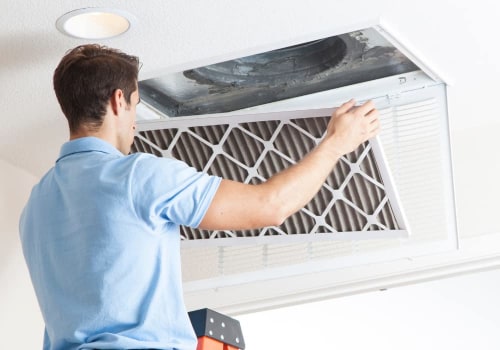
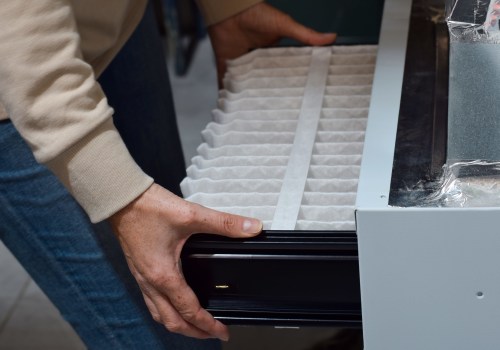
One of the simplest yet most impactful maintenance tasks is changing the air filter. A clogged or dirty filter restricts airflow, making your system work harder and less efficiently.It’s recommended to check your filters monthly and replace them every 1-3 months, depending on usage and the type of filter.
Clean the Coils
The evaporator and condenser coils in your air conditioning unit can accumulate dirt over time, which can hinder their ability to absorb and release heat. Cleaning these coils at least once a year can improve efficiency and prevent breakdowns. If you’re not comfortable doing this yourself, consider hiring a professional technician.Inspect Ductwork
Leaky ducts can lead to significant energy loss, making your air conditioner work harder than necessary. Regularly inspect your ductwork for any signs of wear or damage.Sealing leaks with duct tape or mastic sealant can improve efficiency and reduce energy costs.
Check the Drain Line
A clogged drain line can cause water damage and increase humidity levels in your home. To prevent this, ensure that the drain line is clear by flushing it with a mixture of vinegar and water every few months. This simple step can help maintain proper drainage and prevent mold growth.Schedule Professional Maintenance
While there are many maintenance tasks homeowners can perform themselves, scheduling annual professional maintenance is essential. A qualified technician can conduct a thorough inspection, identify potential issues, and perform necessary adjustments to keep your system running smoothly.Benefits of Regular AC Service
- Improved Efficiency: Regular maintenance helps your system operate at peak efficiency, reducing energy consumption.
- Extended Lifespan: Consistent care can prolong the life of your air conditioning unit, saving you money on premature replacements.
- Enhanced Comfort: A well-maintained system provides consistent cooling, improving indoor comfort levels.
- Fewer Repairs: Regular inspections catch minor issues before they escalate into major problems, minimizing repair costs.
By following these tips and scheduling regular professional service, you can ensure that your air conditioning system remains efficient, reliable, and cost-effective for years to come.
Conclusion: Making Informed Decisions About Air Conditioner Repairs
In summary, understanding the intricacies of air conditioner repair is crucial for homeowners who wish to maintain a comfortable living environment while avoiding unexpected expenses. Throughout this article, we have explored various aspects of air conditioning systems, including the significance of the compressor, the different types of coils, and the factors that influence repair costs.One of the most critical takeaways is recognizing the signs that your air conditioning unit may need attention. By being vigilant and aware of symptoms such as unusual noises, warm air blowing from vents, or frequent cycling, you can catch potential issues early. This proactive approach not only saves you money but also extends the lifespan of your system.Moreover, investing in a reputable brand can significantly reduce the frequency and cost of repairs.High-quality units are designed to withstand wear and tear better than their less reliable counterparts. Therefore, when purchasing a new air conditioner or considering repairs, it’s essential to weigh the long-term benefits against initial costs.When faced with significant issues, it’s advisable to consult a professional technician. Their expertise ensures that repairs are conducted safely and effectively, preventing further damage to your unit. Regular maintenance checks can also help identify minor problems before they escalate into costly repairs.Ultimately, making informed decisions about air conditioner repair involves a combination of awareness, research, and professional guidance.
By taking these steps, you can ensure that your air conditioning system operates efficiently and reliably for years to come.