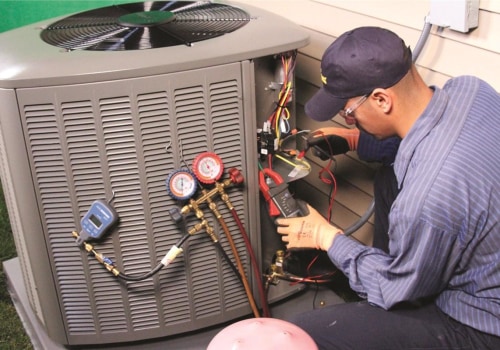
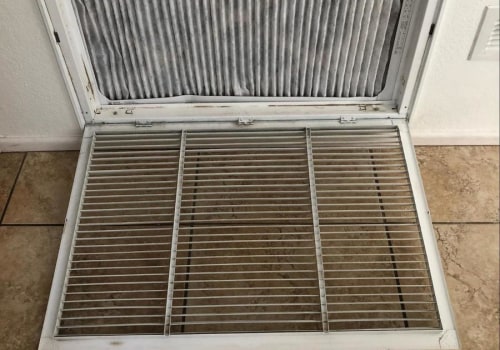
You may already keep track of how often to change your home AC air filter. Your car follows the same logic on a smaller scale. The evaporator that cools your cabin pulls water out of humid air just like the coil in a home system does, and that moisture settles around the filter. Getting cabin air filter replacement on the right schedule takes little effort and pays off for everyone who rides with you.
TL;DR Quick Answers
cabin air filter replacement
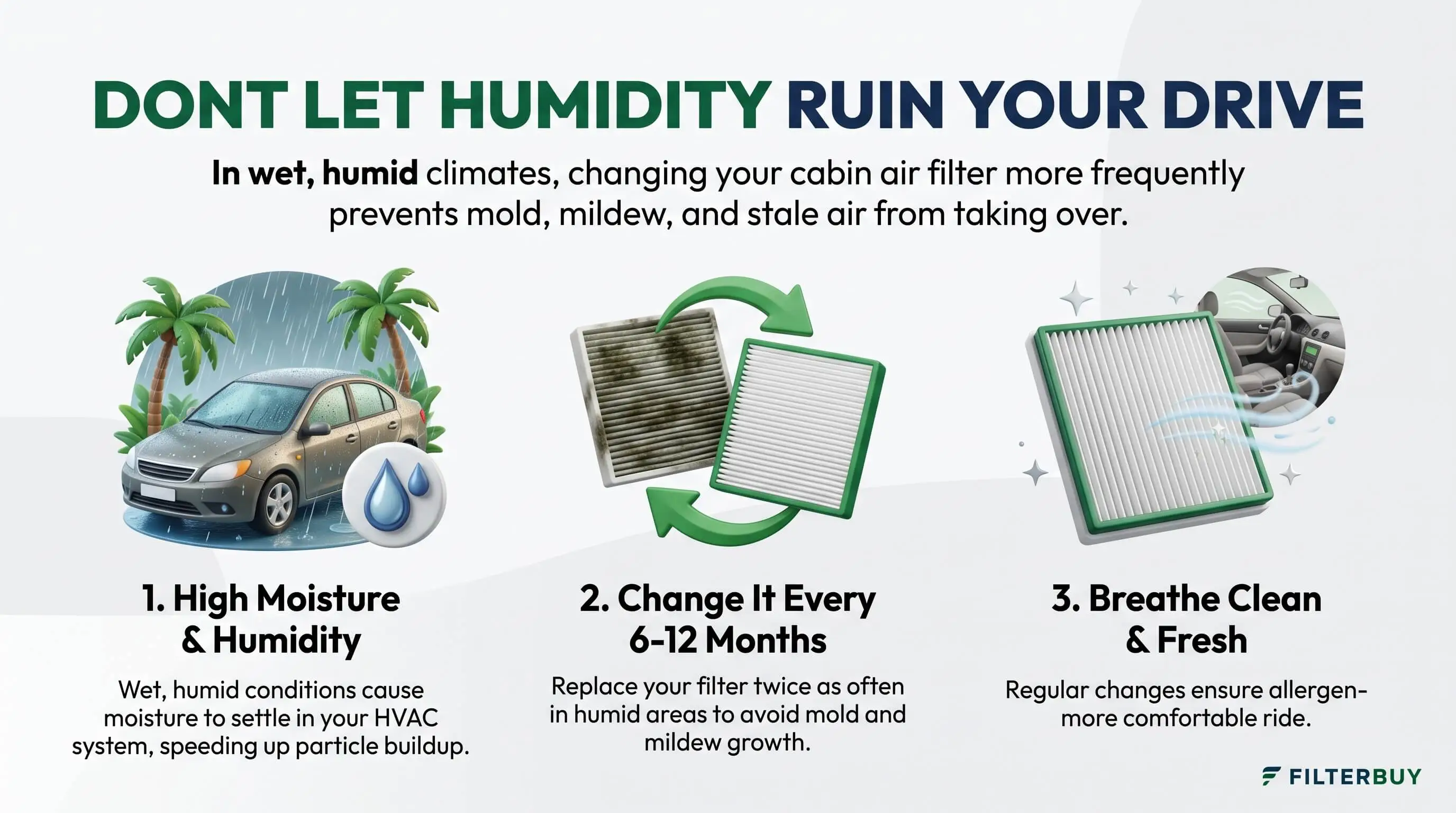
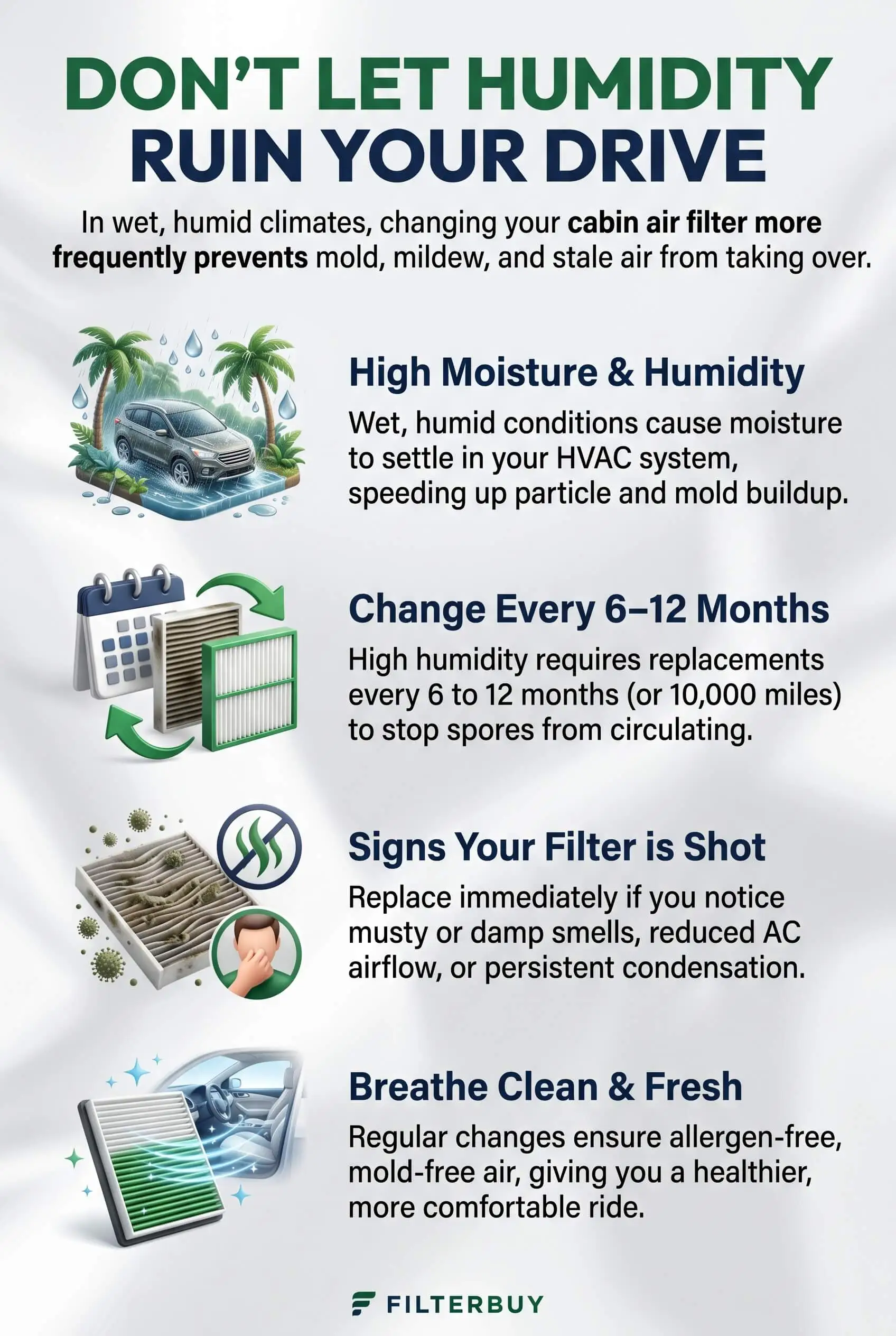
Cabin air filter replacement means swapping the pleated filter behind your glove box that cleans air before it reaches your vents. Most manuals call for it every 12,000 to 15,000 miles or once a year. In humid climates, moisture feeds mold in the filter, so replace it every six to nine months.
Standard schedule: Every 12,000 to 15,000 miles, or about once a year.
Humid climates: Every six to nine months or about 7,500 miles when summer dew points reach 65°F or higher.
Replace it now if: A musty smell hits at AC startup or vent airflow feels weak on high.
Don’t try to clean it: Mold grows into the filter fibers, so a moldy filter needs replacing, not washing.
Where to find it: Usually behind the glove box, sometimes under the hood near the base of the windshield.
Make it last: Run the fan with the AC off for the last few minutes of a drive to dry the system before you park.
Top Takeaways
The standard 12,000 to 15,000 mile interval assumes average conditions, and humid climates aren't average.
Humidity shortens filter life by keeping trapped dust damp enough to feed mold.
When summer dew points regularly hit 65°F or higher, replace the filter every six to nine months or about 7,500 miles.
A musty smell at AC startup means replace it now, whatever the mileage.
A few minutes of fan-only airflow before you park helps dry the system between changes.
What a Cabin Air Filter Does and Why Humidity Matters
Every breath you take in your car passes through a pollen filter first. That's the other name for a cabin air filter, a pleated panel that sits behind the glove box in most cars and cleans outside air before it reaches the evaporator core and your vents.
Don't confuse it with the engine air filter, which protects combustion. The cabin filter protects you and your passengers, and plenty of drivers replace the engine filter thinking they've covered both.
Most cabin filters use synthetic or paper media, and many add a layer of activated carbon to soak up odors. If you've compared MERV ratings for your home system, the trade-off works the same way here. Denser media catches finer particles and fills up faster.
The Standard Replacement Interval and Where It Falls Short
Open most owner's manuals and you'll find a cabin filter interval of 12,000 to 15,000 miles, or about once a year. That number assumes average driving. Many automakers also print a severe-service schedule for dusty roads, stop-and-go traffic, and extreme climates, and more drivers fit it than realize.
Humidity rarely gets its own line in the manual. Some automakers even list the same cabin filter interval for normal and severe conditions. You'll hear plenty of advice to "change it sooner in humid weather," yet almost nobody says how much sooner. Mileage won't settle it for you either, since a car parked in a damp garage can grow a musty filter on very few miles.
How Humidity Shortens Cabin Air Filter Life
Condensation Builds Up Around the Evaporator
Each time the AC runs, your evaporator pulls heat and water out of the air. On a humid afternoon that adds up to a steady drip, which should drain through a small tube under the car. Some of it lingers in the HVAC housing after you shut the engine off, and your filter sits in that damp air all night, making regular HVAC maintenance essential.
Trapped Dust Turns Into Food for Mold
Mold grows wherever it finds moisture, something to eat, and enough time. A loaded filter supplies the meal in the form of pollen and road dust. Park overnight in humid air, and common molds like Cladosporium, Penicillium, and Aspergillus get exactly what they want. You can't clean mold back out of filter media once it settles in, so the filter has to go.
Damp Media Restricts Airflow
Wet, packed pleats choke airflow. Your blower motor works harder to push air through, and fogged windows take longer to clear. Much like a clogged pleated furnace filter in a home HVAC system, a dirty cabin filter restricts airflow. Most drivers only notice the slow decline once a fresh filter goes in and the vents blow strong again.
The Dew Point Rule for Humid-Climate Drivers
Relative humidity can fool you because it climbs and drops with temperature. Dew point tracks the actual moisture in the air, which makes it the better number to plan around. The National Weather Service calls summer dew points of 65°F or higher oppressive.
Here's the rule of thumb I'd follow. If summer dew points where you live regularly reach 65°F or higher and you run the AC most days, inspect your cabin filter at six months and replace it every six to nine months or about 7,500 miles, whichever comes first. A musty smell at startup means you replace it right away.
Putting the rule to work is simple:
Check typical summer dew points for your area with your local National Weather Service office.
Write the install date and odometer reading on the filter frame with a marker, or save them in a phone note.
Set a reminder for six months out.
When it goes off, pull the filter and look at the pleats in good light.
Warning Signs Your Cabin Air Filter Is Overdue
Your filter usually tells you it's finished before the calendar does. Watch for these:
A musty or sour smell at AC startup that fades after a few minutes on the road
Weak airflow from the vents, even with the fan on high
Slow defogging when the windows mist up on rainy mornings
Dark speckling or gray-green patches along the pleats
Sneezing or itchy eyes that start in the car and ease once you step out
How to Slow Moisture Damage Between Changes
Dry things out before you park. Switch the AC off for the last two or three minutes of your drive and leave the fan running. That airflow clears moisture from the evaporator and housing before the car sits.
Check the drain tube. After running the AC on a muggy day, look for a small puddle of clear water under the passenger side. No drip can mean a clog.
Consider activated carbon. A carbon layer traps odors that standard media let through.
Inspect after wet weather. Storm season, worn door seals, or water pooling at the base of the windshield can soak a filter within days.
When the Smell Isn't the Filter
A fresh filter should clear the odor. If the mustiness creeps back within a few days, look deeper. Mold on the evaporator core or a clogged drain line is the likely culprit, and a technician will need to clean the evaporator and clear the drain. A sweet smell signals something else entirely. It can mean a coolant leak, so have it checked promptly.
"In my experience pulling cabin filters out of daily drivers in humid regions, dust alone rarely kills them. The pleats stay damp after the AC shuts off, and the pollen and road grit they caught turns into food for mold. When a driver tells me the smell fades after ten minutes on the road, I already know that the filter has been wet for weeks."
7 Essential Resources
Mold Allergy, Asthma and Allergy Foundation of America: How mold spores set off allergy and asthma symptoms, and why humid climates can keep mold season going year-round.
Mold, American Lung Association: How dampness affects breathing, even for people without allergies.
Mold, National Institute of Environmental Health Sciences: How mold's health effects change with the type of mold and the length of exposure.
Mold Overview, Occupational Safety and Health Administration: Exposure symptoms to watch for and steps to control mold.
Keeping Your Vehicle in Shape, FuelEconomy.gov: What a clogged engine air filter does and doesn't change, a handy contrast with your cabin filter.
Car and Bus Exposure Studies, California Air Resources Board: State research on pollutants inside vehicles and how much high-efficiency cabin filters cut them.
Clearing the Air: Keeping Your Car Free of Pollen, Consumer Reports: Where to find your cabin filter, how often to change it, and what a replacement typically costs.
3 Supporting Statistics
Below 60 percent: The EPA recommends keeping indoor relative humidity below 60 percent, ideally between 30 and 50 percent, and drying wet materials within 24 to 48 hours to stop mold from growing. Source: U.S. Environmental Protection Agency
No higher than 50 percent: The CDC advises holding humidity at or below 50 percent all day, using an air conditioner or dehumidifier to keep it there. Source: Centers for Disease Control and Prevention
65°F dew point: The National Weather Service describes summer dew points of 65°F or higher as carrying lots of moisture and becoming oppressive. Source: National Weather Service
Final Thoughts
Here's where I land. The once-a-year interval works fine in dry climates, but it gives humid-climate drivers far too much slack. Where summers stay sticky, moisture wears out a cabin filter long before the miles do, and the dew point forecast says more about your filter than the odometer ever will.
The habits that protect you take very little effort. Pull the filter at six months, trust your nose, and let the fan run on its own for a few minutes before you park. Your passengers will never see the difference. They'll breathe it on every drive.
Frequently Asked Questions
Can Humidity Cause Mold in a Car Cabin Air Filter?
Yes. Humid air keeps the dust and pollen trapped in your filter damp, especially after the AC shuts off and the car sits overnight. That mix gives mold what it needs, which is why drivers in humid areas notice musty odors first. The same moisture concerns apply to MERV 8 pleated furnace air filters when exposed to damp conditions.
Can I Clean a Moldy Cabin Air Filter Instead of Replacing It?
No. Mold grows into the fibers of the filter media, and brushing, vacuuming, or spraying won't get it out. Replace the filter, then run the fan with the AC off for a few minutes after each drive to protect the new one.
Does a Dirty Cabin Air Filter Affect AC Cooling?
It can. A loaded or damp filter restricts airflow, so less cool air reaches the vents while the blower motor works harder. You might notice weaker airflow on high and a cabin that takes longer to cool on hot afternoons.
Is an Activated Carbon Cabin Filter Better for Humid Weather?
Carbon won't stop moisture, but its carbon layer absorbs odors that standard media let through. That helps with stale smells between changes, but it still needs replacing on a humid-climate schedule because carbon wears out over time.
How Do I Know if the Smell Is the Filter or the Evaporator?
Start with a new filter. If the musty smell disappears and stays gone, the old filter was the source. If it comes back within a few days, mold on the evaporator core or a clogged drain line is the likely cause, and a technician should clean the system.
Breathe Easier Through Every Humid Season
Humid weather cuts short how long your cabin air filter can protect you, so set your next check by the dew point instead of the calendar. Stay on that schedule with high quality filters and every drive starts with fresh, filtered air instead of a musty first breath.